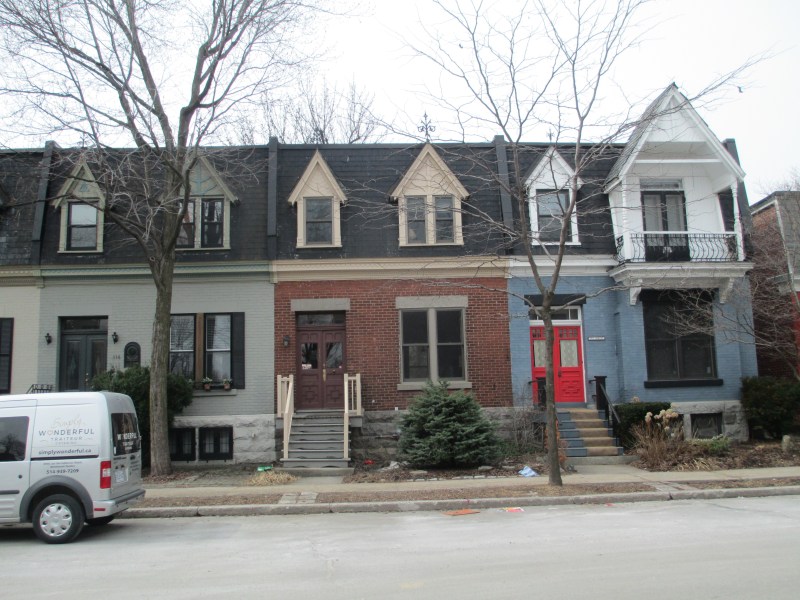
John Potter residence (1897) – clerk, Grand Trunk Railway.
John Potter residence (1897) – clerk, Grand Trunk Railway.
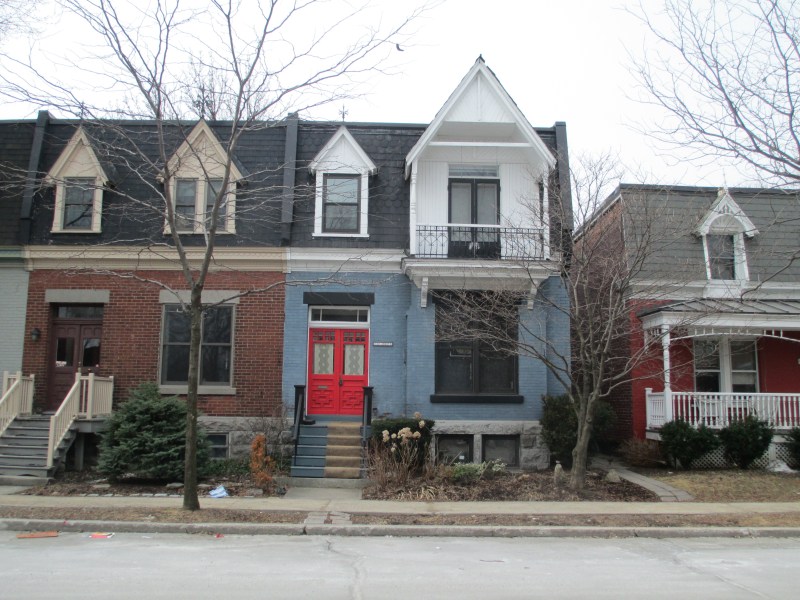
W. J. Camp (electrician Canadian Pacific Railway) & J. Bulman (draughtsman) residence 1897.
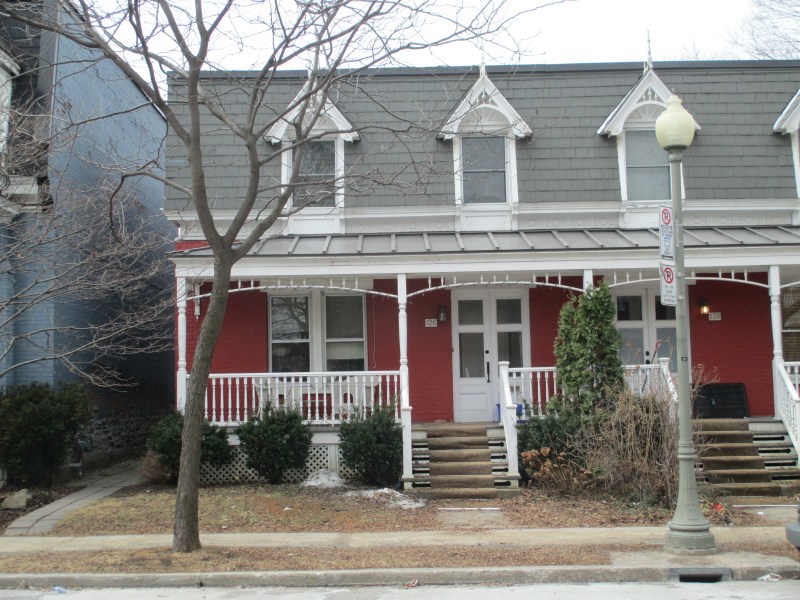
Charles W. Pearson residence (1897) – lithographer.
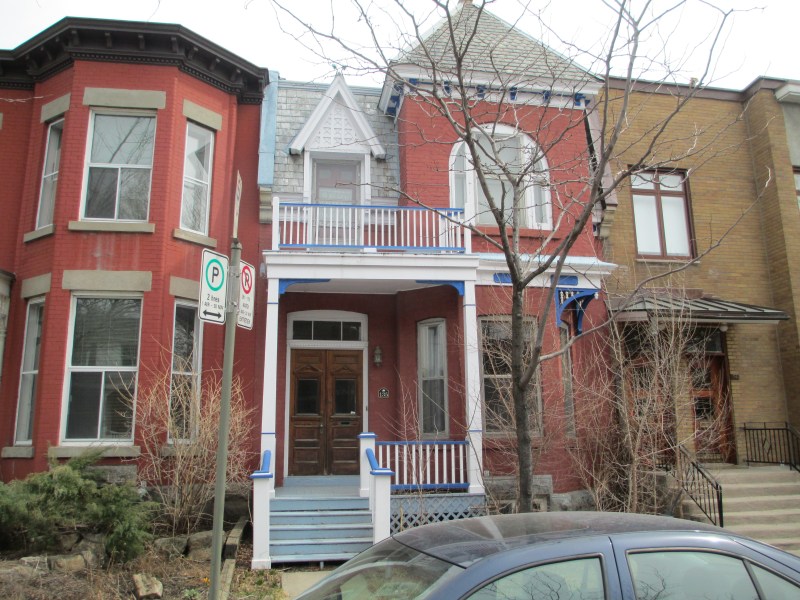
J. H. S. Cass residence (1897) – treasurer of the Asbestos Manufacturing Company
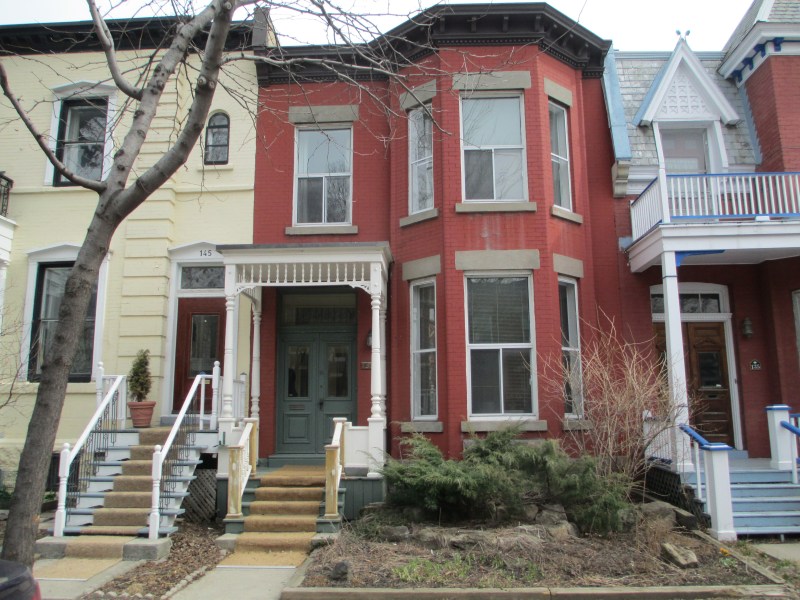
H. S. Dunning residence (1897) – manager of the Windsor Hotel.
From Wikipedia:
Windsor Hotel
“The hotel was constructed between 1875 and 1878 by the Windsor Hotel Company consortium of six Montreal businessmen, including William Notman. It was capitalized at C$500,000.[1] At the time Montreal was Canada’s largest city, and the centre of commerce in the young country. The consortium was formed to construct an opulent new hotel to symbolize the city’s growing prominence and wealth, and to serve visitors arriving at the nearby train station (which itself was replaced soon thereafter by Windsor Station).
The hotel opened without fanfare on January 28, 1878.[1] Soon after, an opening gala was held that was the largest social gathering Montreal had ever seen. It was attended by Lady Dufferin (the wife of the Governor General), the Right Honourable Sir John A. Macdonald, Princess Louise and the Marquis of Lorne.
Executives of both the Canadian Pacific Railway and Grand Trunk Railway kept permanent residences in the hotel, making the Windsor home to men who controlled most of Canada’s transportation infrastructure and much of its economy. In his later years, Stephen Leacock spent his winters living in the Windsor Hotel. Some of Leacock’s writing, and much of his correspondence, was written on hotel stationery.
During the first ever royal tour of Canada by a reigning monarch, King George VI and Queen Elizabeth stayed at the Windsor Hotel, and their arrival on May 18, 1939 attracted throngs of well-wishers to the hotel.”
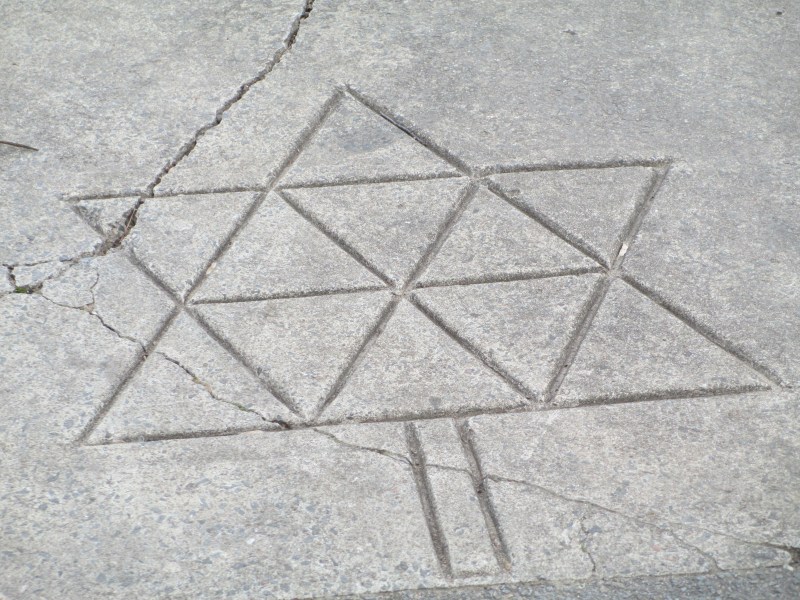
Canada’s 1967 centennial logo on the pathway in Westmount Park.
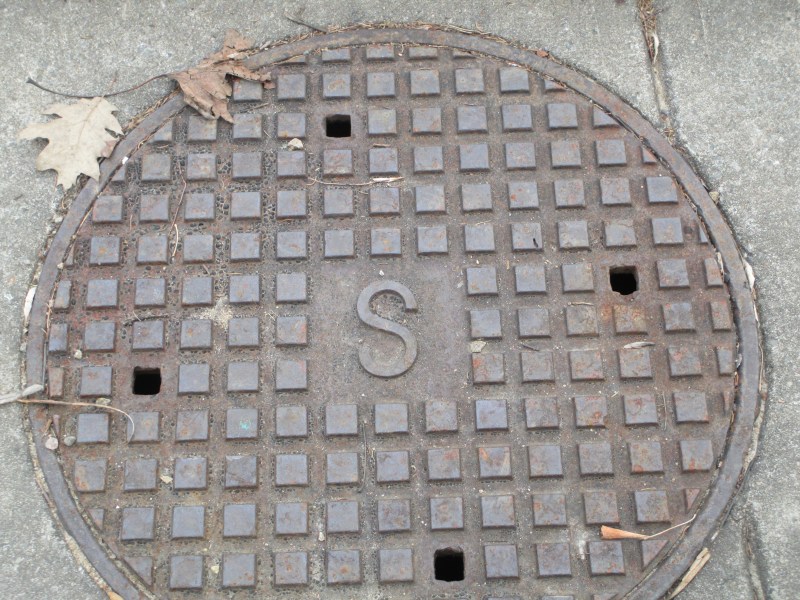
Old manhole cover in Westmount Park.
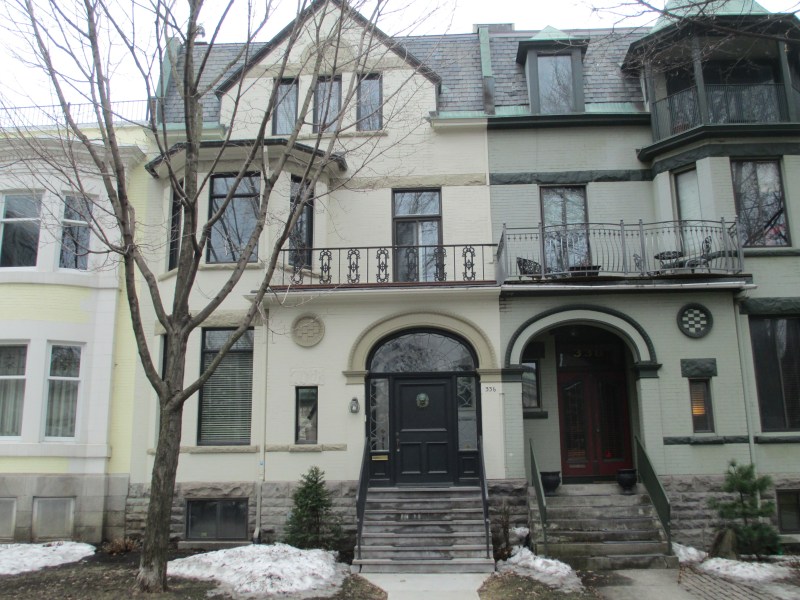
Walter C. Wonham residence (1920) – Importer and commercial merchant.
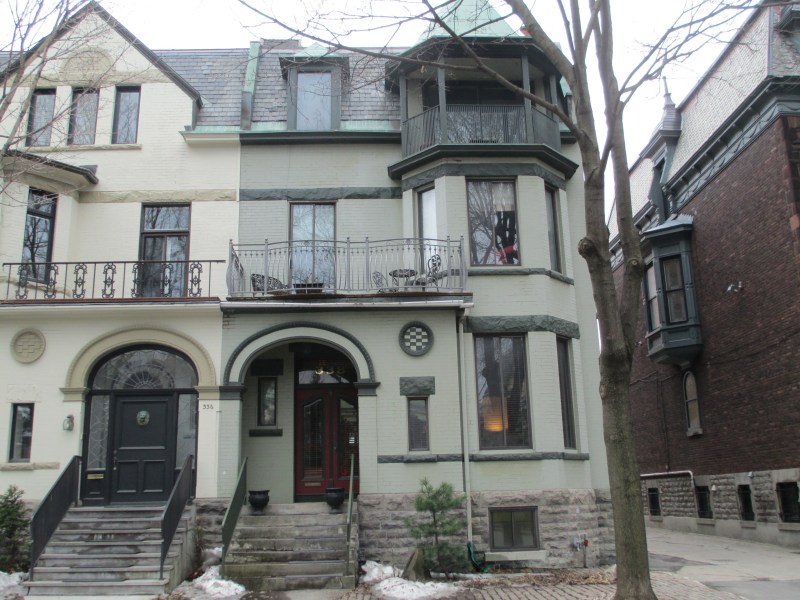
W. A. Cheesbrough residence (1920) – Kyle, Chessbrough & Co. Fancy dry goods merchants.
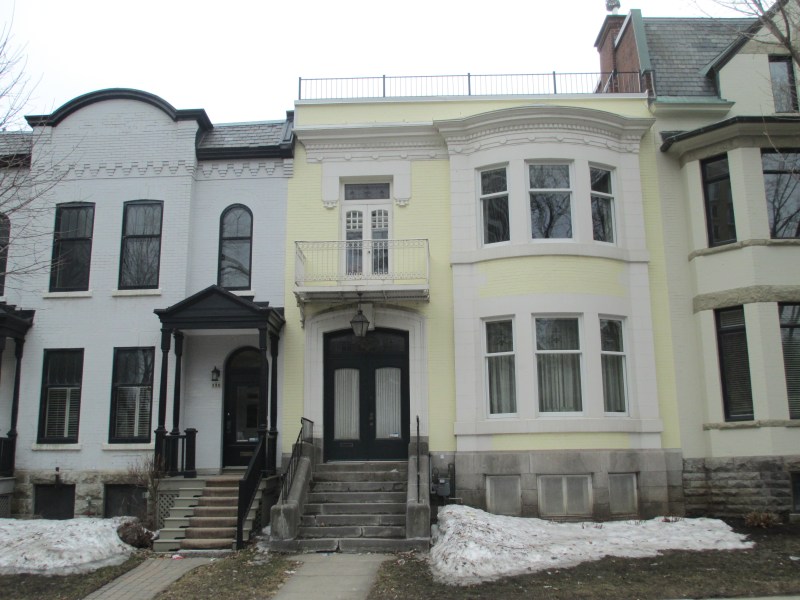
Henry Herdt residence (1920) – Supervisor of the Dominion Glass Company.
From Industry ’67 Centennial Perspective, published by The Canadian Manufacturers’ Association in May 1967
“In 1890 they changed the name of their company to Diamond Glass Co. (Ltd.), absorbed four glass companies located as far apart as Nova Scotia and Hamilton, Ont., and continued a vigorous program of expansion. The name was changed again in 1903, this time to Diamond Flint Glass Company, other companies were absorbed, and in 1906 a subsidiary, The Canadian Glass Company, was opened in Montreal and entirely equipped with automatic bottle-making machines. Still another factory was established in 1913 in Redcliff, Alberta, to take advantage of the plentiful supply of natural gas.”
“From the viewpoint of the historian, Dominion Glass Company Limited is one of the few active Canadian manufacturing establishments which may authoritatively claim to have provided a major contribution to the Canadian decorative arts. Indeed, any and all glass objects, including containers, which were produced in the preceding and extant glass factories during the period 1855-1925 have some claim to artistic beauty, rarity and/or social significance. The free blown, non-commercial glass paperweights, whimsy bird forms and “drapes” which were produced to exhibit an individual command of the medium, depict in three-dimensional form the ethnic and regional origins of specific glass blowers. The commercial containers (i.e., bottles and preserving jars) changed the Canadian housewife’s concept of preserving foods and are presently acquired by discriminating collectors and exhibited in the Royal Ontario Museum.”
 Westmount Overlooked