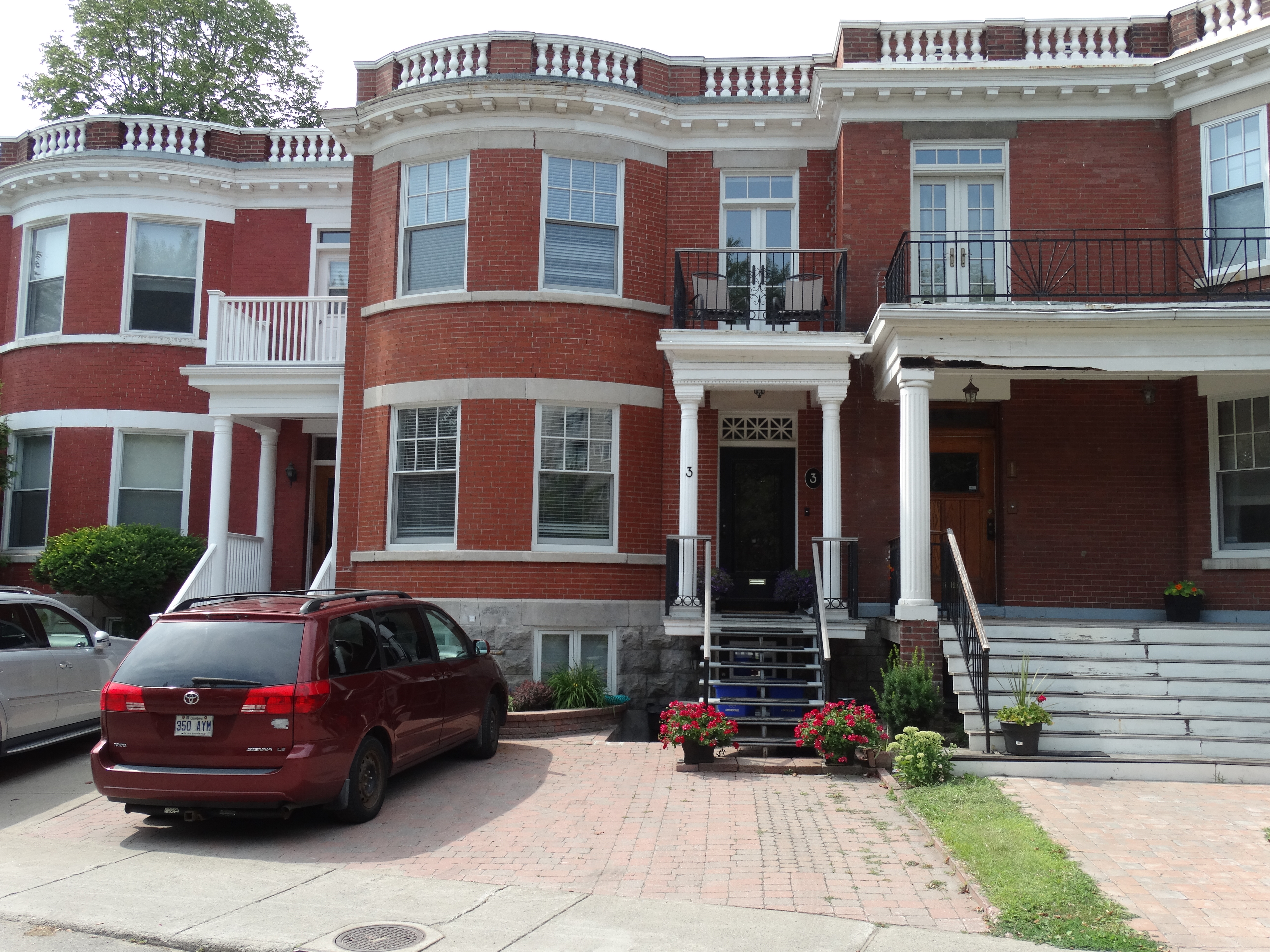
David McNicoll, pass and traffic manager Canadian Pacific Railway (1897).
David McNicoll, pass and traffic manager Canadian Pacific Railway (1897).
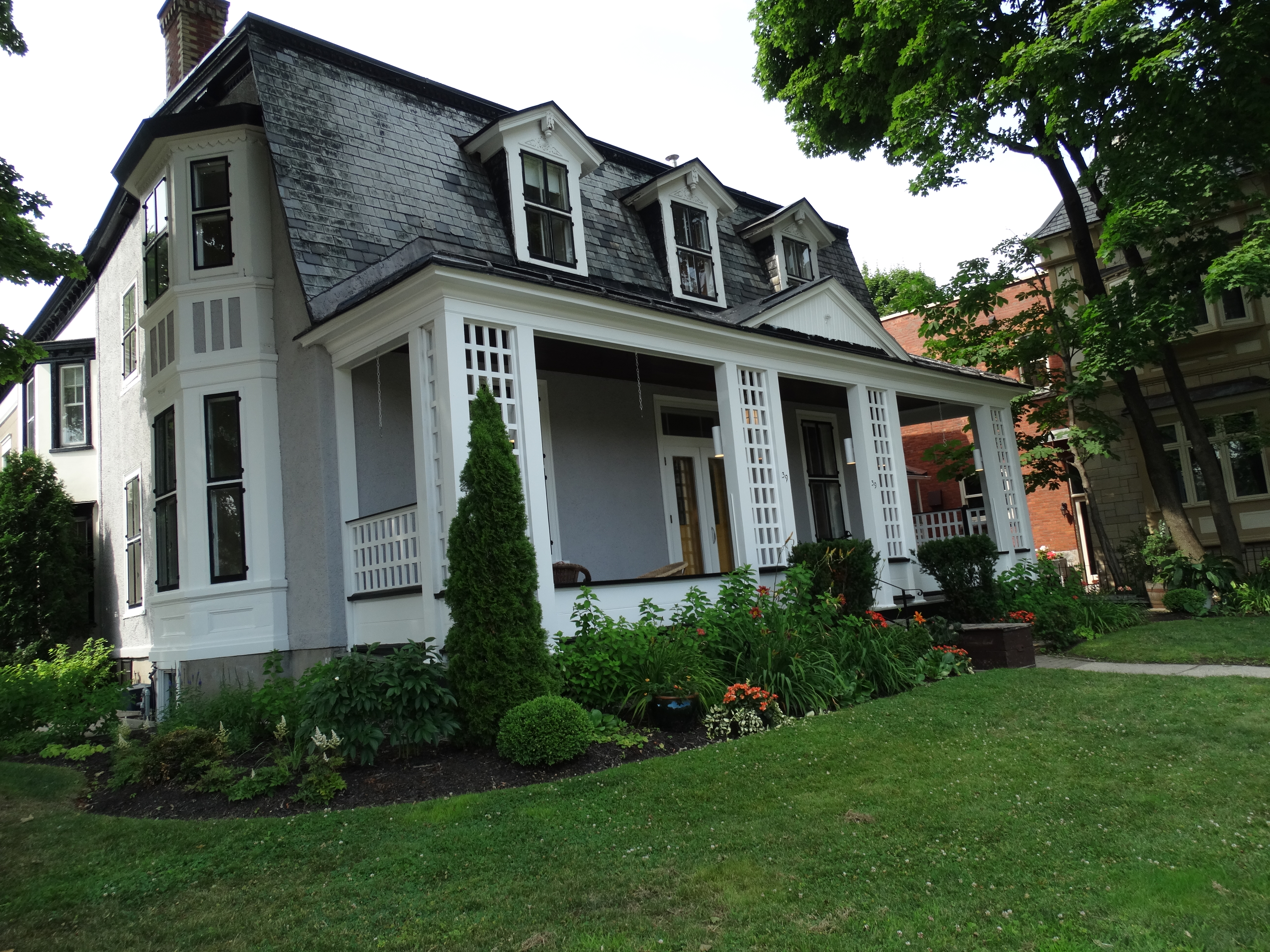
Thomas Samuel & W. R. Samuel, Sheffield steelmakers (1897).
From : http://www.dincum.com/articles/redditch_needles_res.html
“Situated to the south west of Birmingham, the town of Redditch first established a needle making reputation as early as the 17th century. Initially this was a cottage industry but during the 19th century developed into factory based production.
By the mid 1800s dozens of individual companies were engaged in the trade. Products included fish hooks, surgeons’ and sewing needles. The development of the sewing machine during this period opened a lucrative new market. To meet this need, several local companies including Joseph Perkins & Sons, Thomas Shrimpton & Sons and Samuel Thomas & Sons added machine needles to their prospectus.
Their raw material was high quality steel wire, sourced from both nearby Birmingham and more distant Sheffield, renowned as the steel making capital of Britain.
By the 1870s, Sheffield steelmakers such as William Smith, Joseph Dyson, Joseph Wordsworth and Jagger Bros. advertised their steelware to Redditch needle makers. It has been estimated that by this period the town was producing many millions of needles annually, thereby dominating the UK market.”
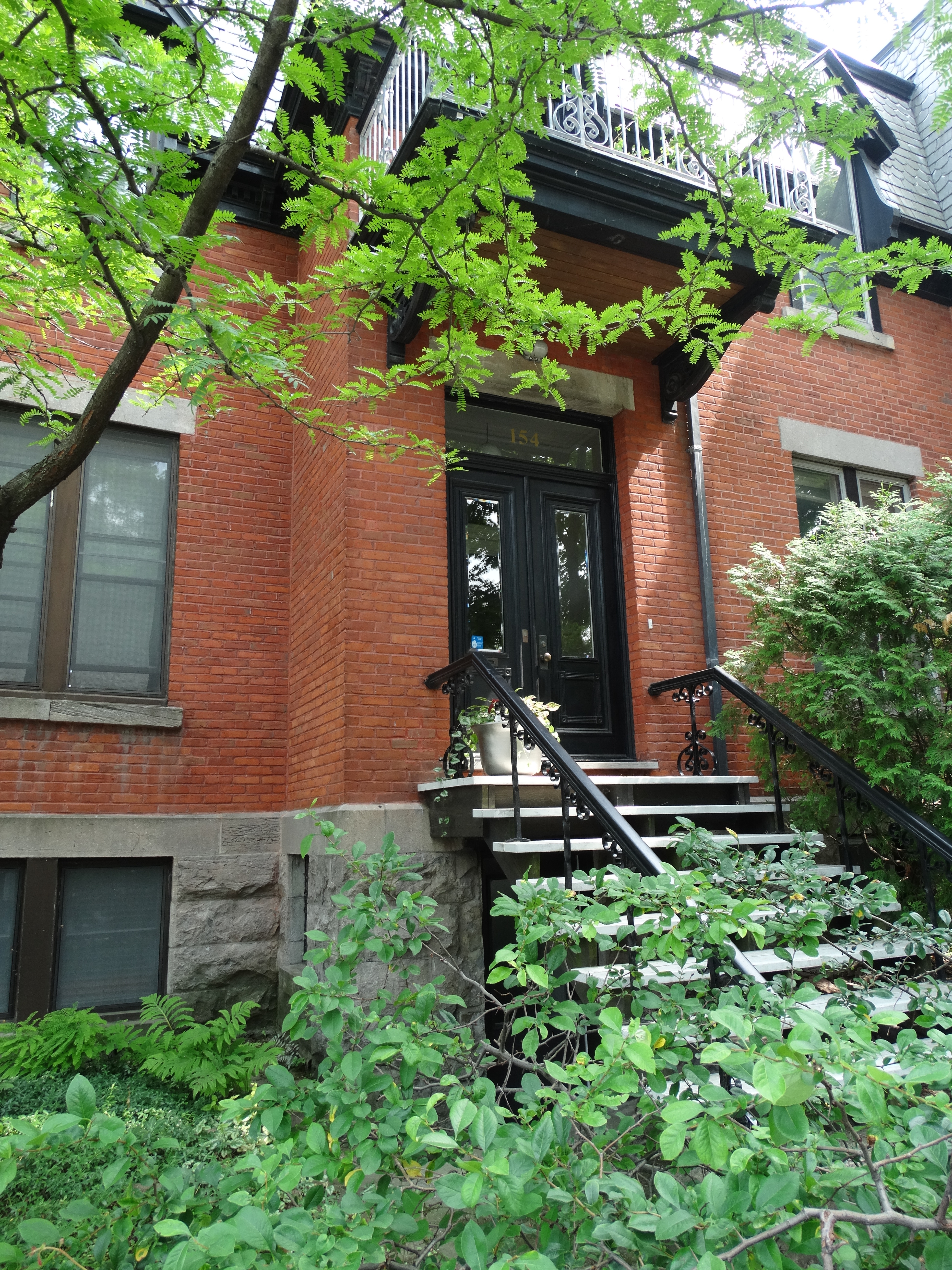
Alex Macdonald, inspector, Canadian Pacific Railway (1897).
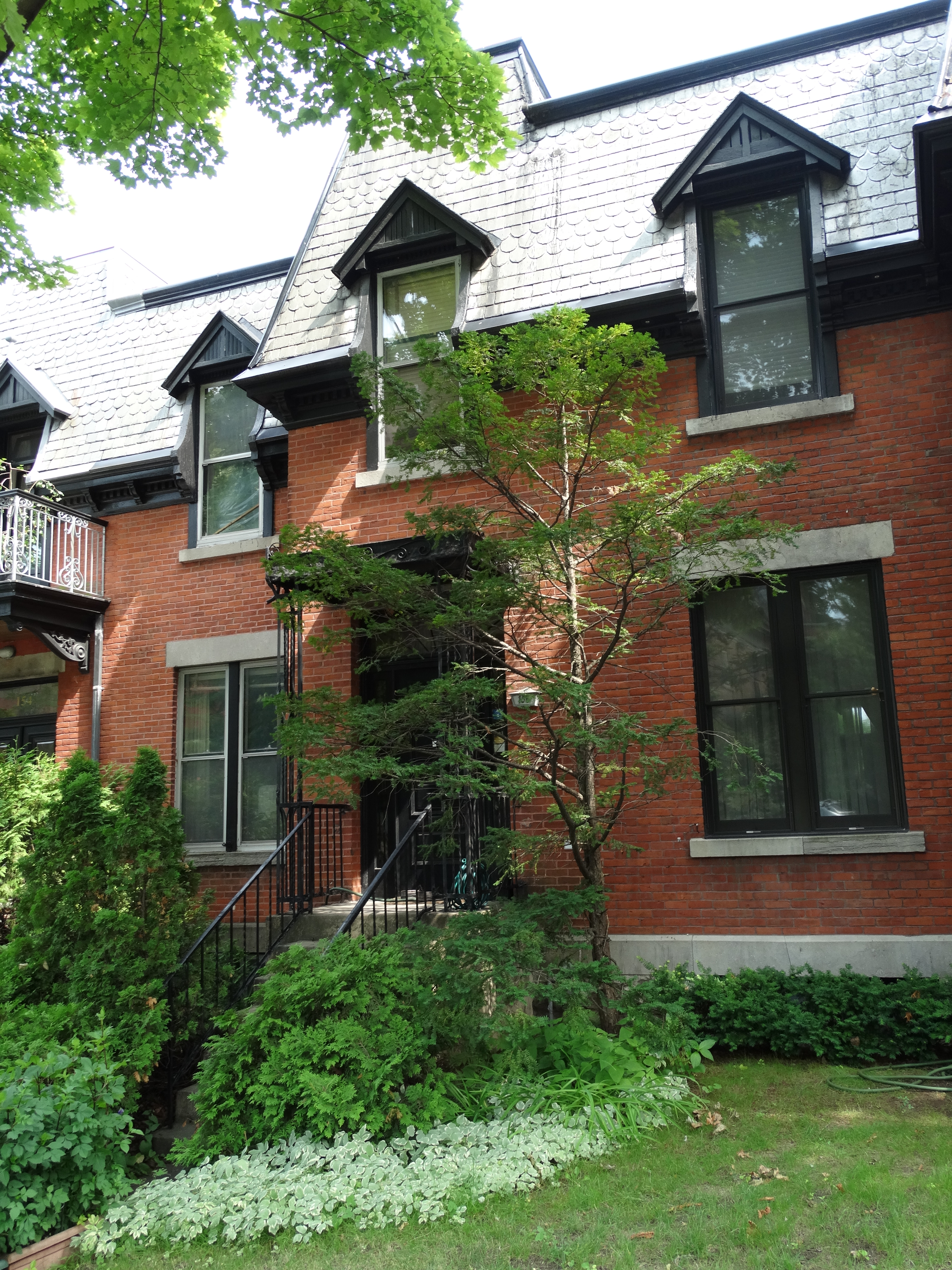
Robert Thompson, agent St. Lawrence Starch Company (1897).
From: http://www.archeion.ca/st-lawrence-starch-company-fonds;rad
“St. Lawrence Starch Company Limited was a major Canadian manufacturer of corn based starch, glucose and feed products, established in 1889 by John Gray, Archie Hutchison, Robert Kilgour, Joseph Kilgour and Jessie Malcolm and based in Port Credit, Ontario.
The St. Lawrence Starch Company was a family owned private company specializing in the manufacturing of corn based products for over a century. Its products, such as Durham corn starch and Jersey Brand gluten feed, were produced for the pulp and paper, textile, alcohol, grocery/food products and pharmaceutical industry.
The Bee Hive Golden Corn Syrup brand was a familiar grocery product in many Canadian households, and on behalf of this brand the Company sponsored sporting events (particularly skiing, figure skating and hockey). The Company was also involved in a major lawsuit in the mid-1930s with its principal competitor, the Canada Starch Company, over which brand of corn syrup was fed to the Dionne quintuplets.
As a result of the Canadian government’s 1987 imposition of a countervailing duty against subsidized American grain corn, in 1989-1990 St. Lawrence Starch, as a user of corn, was forced to downsize. It sold its major trademarks to Bestfoods and ceased large-scale domestic production. The factory was closed and subsequently demolished and the land sold to a residential developer.
St. Lawrence Starch formed a strategic alliance with the A.E. Staley company to distribute their starch and sweetener products in Canada. The Port Credit site served as a distribution centre for imported products from 1990 until the beginning of 1993.
The distribution operations were relocated to a facility in Stoney Creek, Ontario. In 1995, SLS changed principles for the starch and sweetener business and began to represent Cargill, Inc., a large US based corn wet miller, providing sales, marketing and technical services across Canada. The Company continues to operate as a much smaller importer and exporter of corn products across the Canada-United States border.
It is still owned and operated as a private company by the Gray family.”
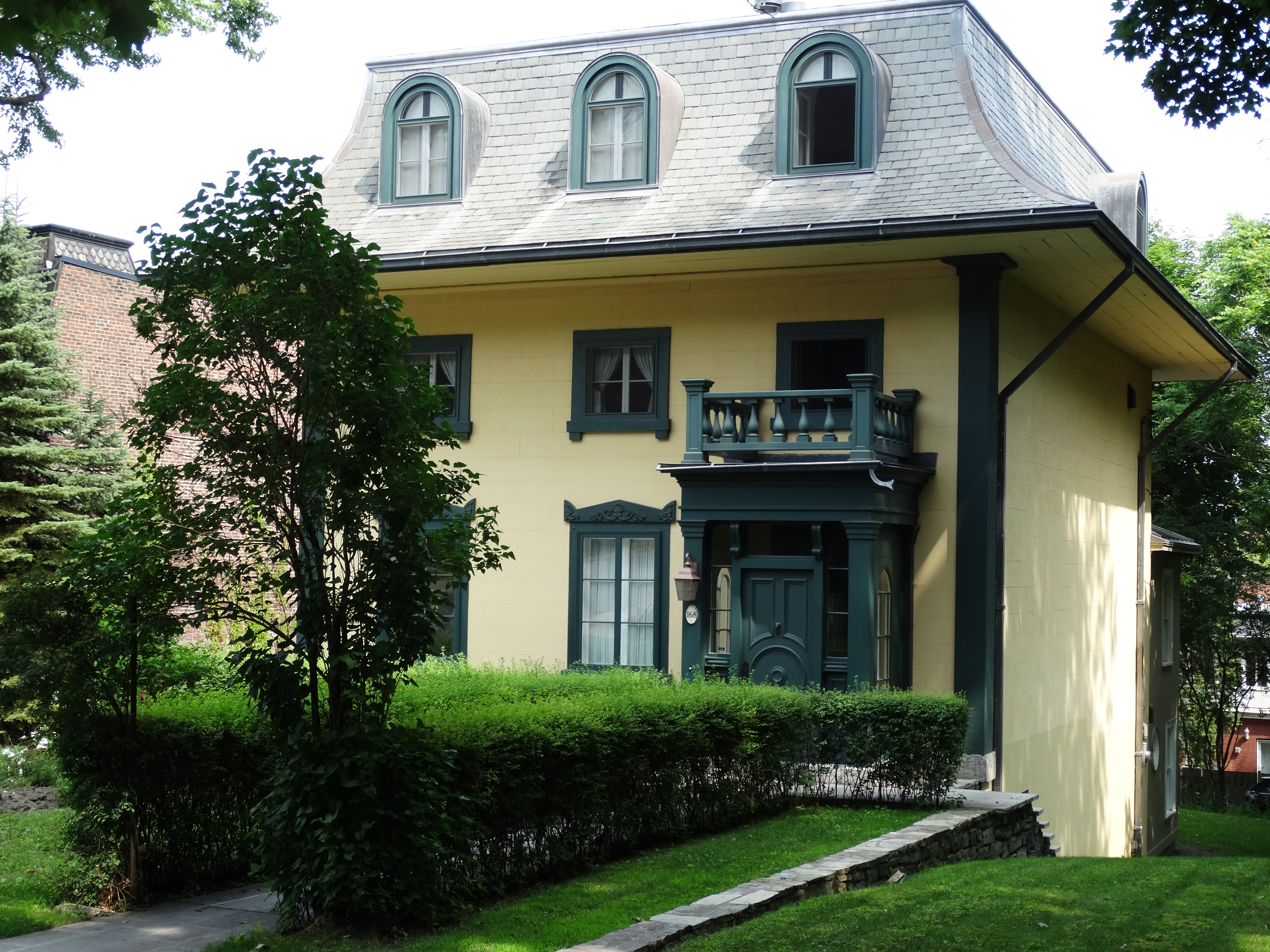
J. B. Kerr, Royal Paper Mills Company (formerly the Royal Pulp and Paper Company). The factory was located in East Angus (1897).
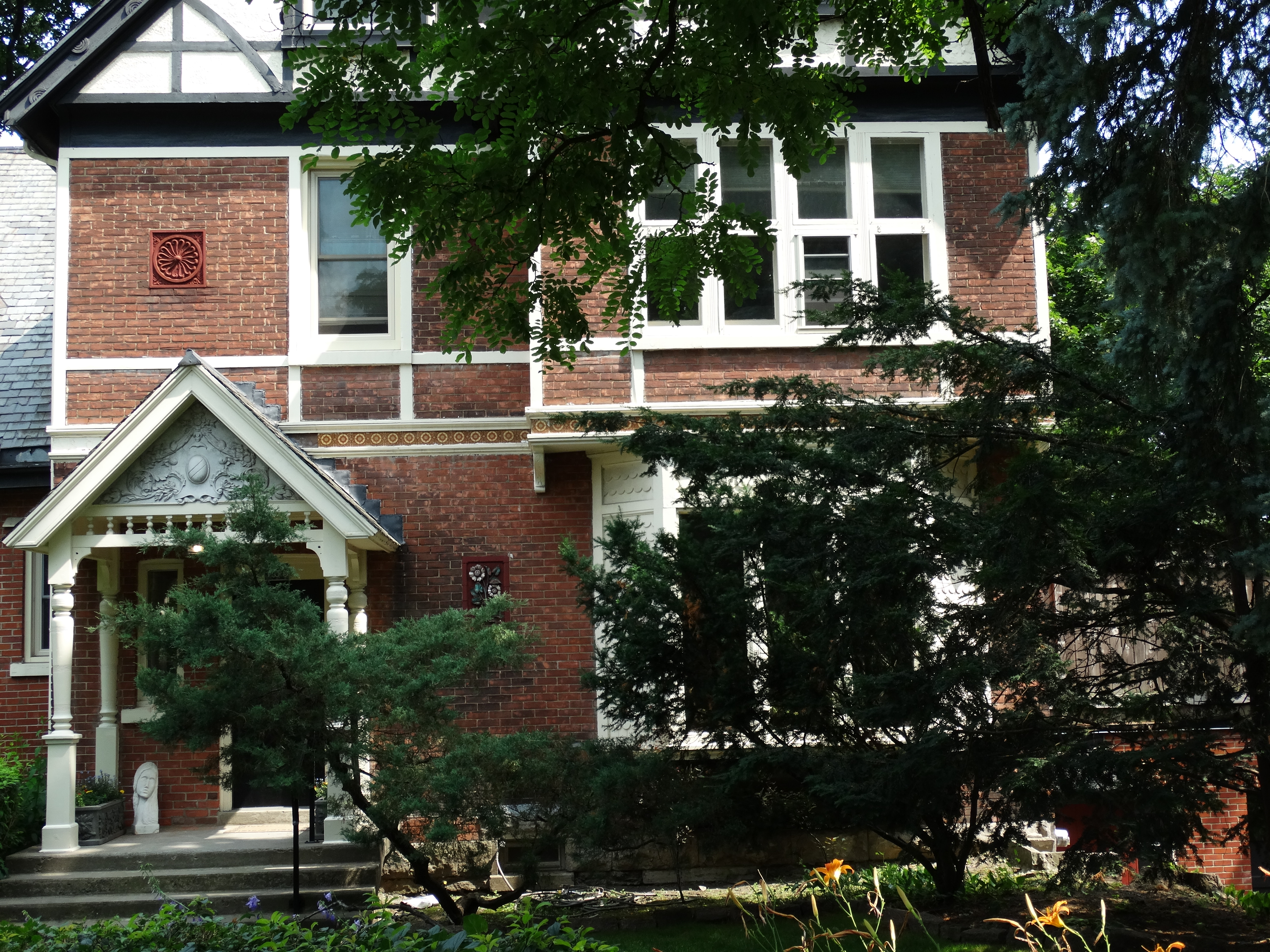
E. J. Maxwell, E. J. Maxwell & Company (1897). Specialty wood merchant & grandfather of Edward and William Maxwell (architects).
Interestingly, the house is currently “connected” on the west side to another smaller house without a civic number. I suspect that was formerly 184 Cote St Antoine – home of Edward Maxwell (1897).
From: http://cac.mcgill.ca/maxwells/edbio2.htm
“The store Edward Maxwell designed for Henry Birks and Sons on St. Catherine Street in Montreal, using imported stone with Bramante-like compositional rhythms and featuring a rich but economical cornice and a splendid arched entrance, could be taken for a Boston design.
Opened or closed, the gate-like iron-studded doors call attention to the treasures within and after nearly a hundred years of exposure still impress the passing crowd.
An office building and exchange facility for the Bell Telephone Company of Canada on Notre Dame Street in Montreal again showed planning skill and ornamental features learned in Boston, which also appeared in a building further west on the same street that he designed for the Merchants Bank of Halifax. While not an important commission among Montreal banks, it was a good beginning as the Halifax bank was soon to emerge as the Royal Bank of Canada.
No building shows more clearly what Edward Maxwell had absorbed from Richardson’s work than his addition to Windsor Station in Montreal.
Originally designed by Bruce Price in the popular Richardsonian manner, Maxwell extended the structure westward along Lagauchetière Street with confidence and style. The idea of repeating the front of Price’s original building as a terminal pavilion for a great new façade was a brilliant concept which lost nothing in its development. The whole centre part at ground level was treated as a broad carriage entrance protected by a projecting arcade of five huge low arches. The entrance wall behind and above the porch was the link between the pavilions and was composed of eleven bays arcaded in the manner of the original building and later capped by five gables, which effectively preserved the rhythmic pattern of one over three by being five over eleven.
Maxwell’s first major domestic commission in Montreal was a house for Vincent Meredith, general manager and subsequently president and chairman of the Bank of Montreal. It began when he was supervising the Board of Trade Building.
A diary entry for 7 January 1892 notes that Mr. and Mrs. Meredith called about a house. It materialized as a Queen Anne design in red brick with a strong feeling for materials and the crafts.
Nothing quite like it had been seen in Montreal. Moreover, the house had an unusual site facing north well below street level yet with a spectacular exposure to sun and view at the rear. He handled these circumstances skilfully and with the help of the younger Olmsted, a familiar collaborator in the office of his former employers, produced a setting of extraordinary naturalness.”
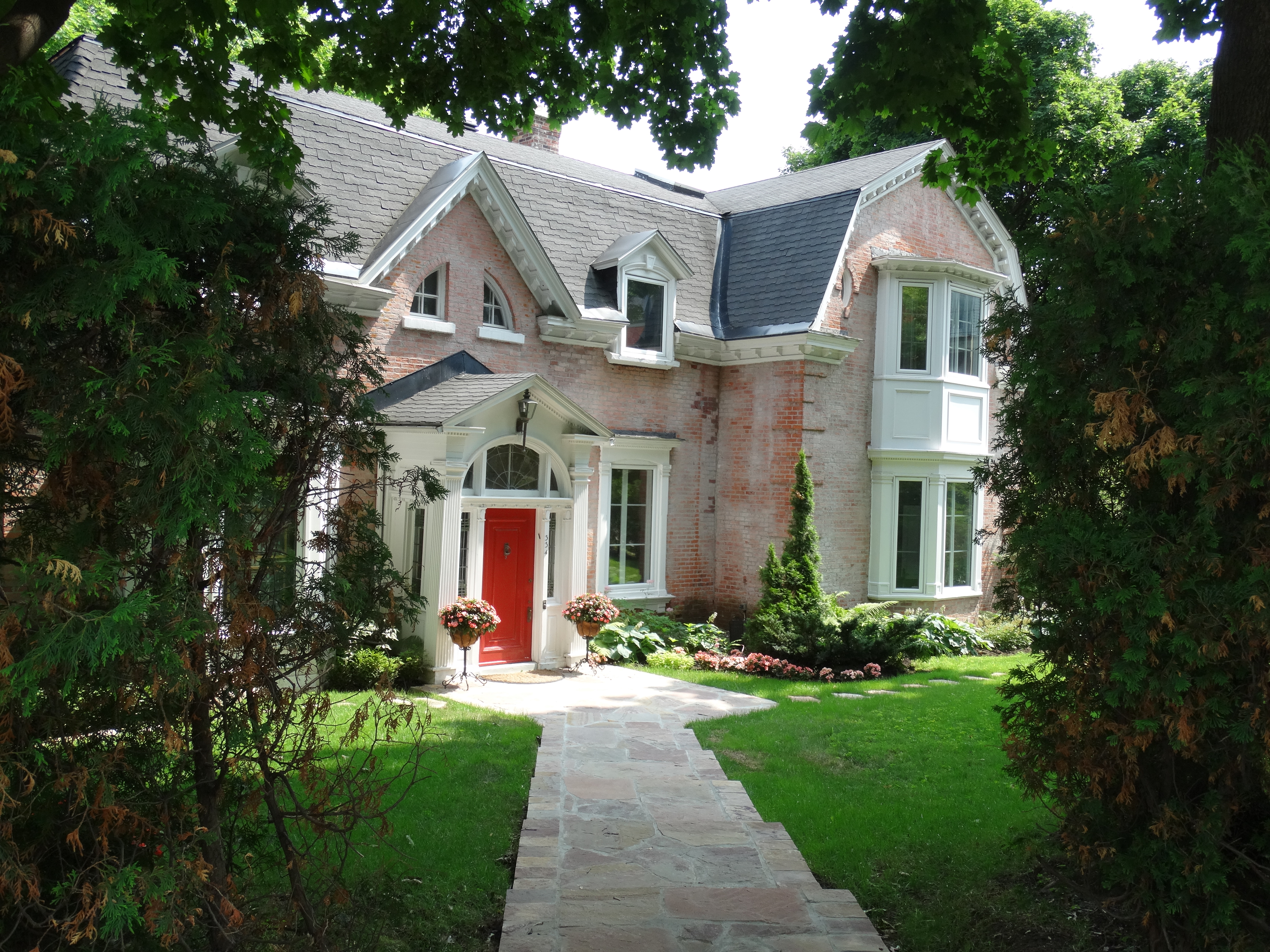
Former site of Mona Floral Nurseries (1897).

Beautiful sunset this evening over the park.

Could one provide a larger sign for reseeding a soccer field?

An ice hockey player going the new Westmount Recreation Centre (in 27 degree C. weather) for a practise.
Don’t we love our hockey!
 Westmount Overlooked