Image

Seed Bearing Plants – Westmount Park

Seed Bearing Plants - Westmount Park

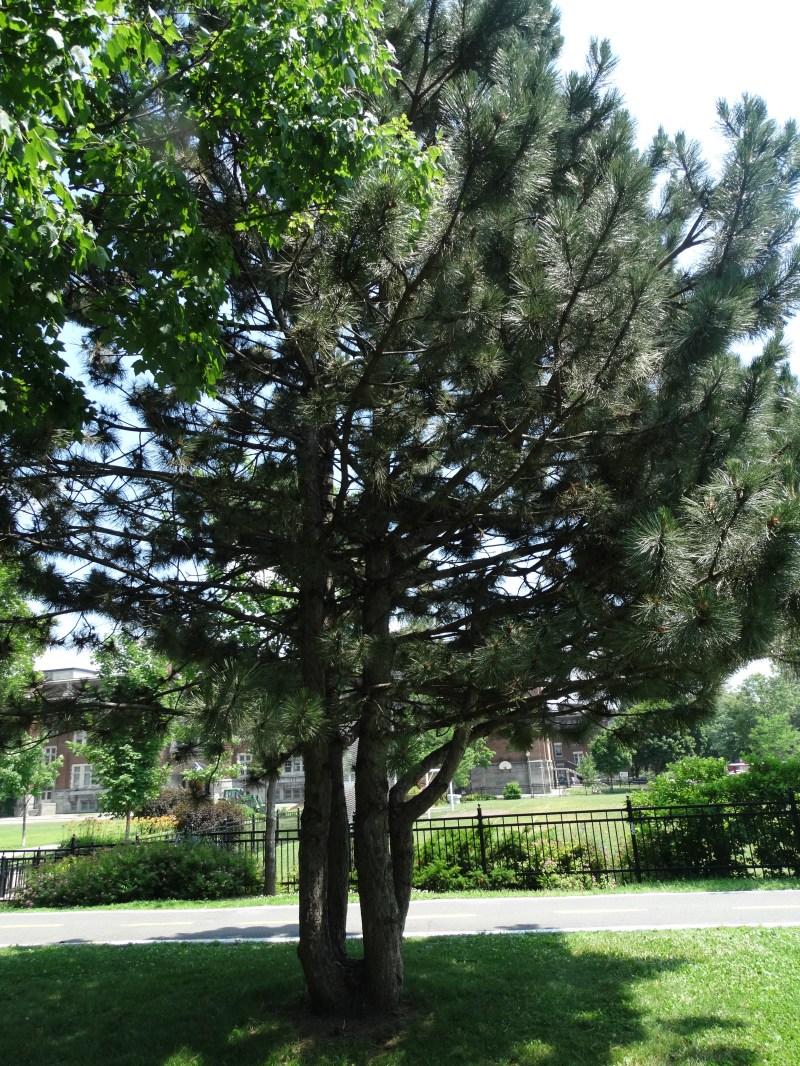
Scots pine (Pinus sylvestris).

From Wikipedia:

“In Scandinavian countries, Scots pine was used for making tar in the pre-industrial age. There are still some active tar producers, but mostly the industry has ceased to exist. The pine has also been used as a source of rosin and turpentine.”

Image

Westmount Park – Flowering Trees (Eudicotylendons)

Westmount Park - Flowering Trees (Eudicotylendons)

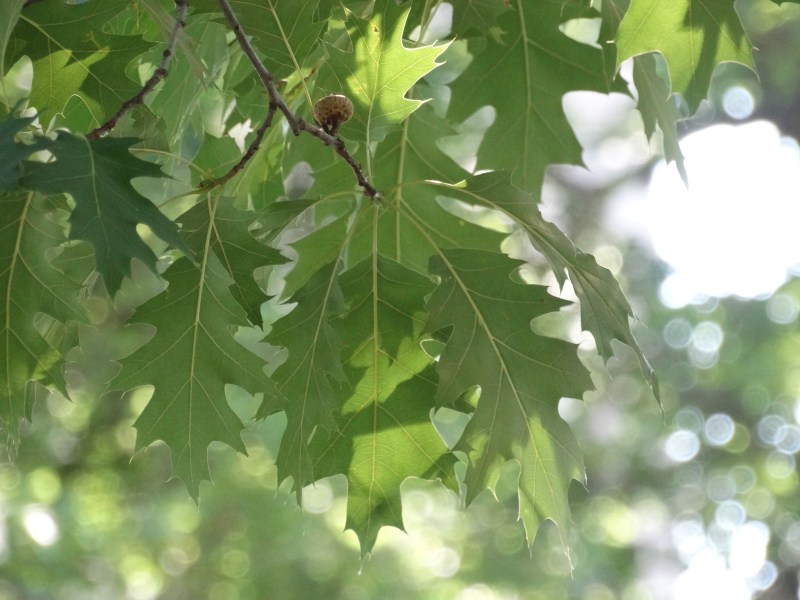
Northern red oak or Champion oak (Quercus rubra).

From Wikipedia:

“The northern red oak is one of the most important oaks for timber production in North America.

Quality red oak is of high value as lumber and veneer, while defective logs are used as firewood.

Other related oaks are also cut and marketed as red oak, although their wood is not always of as high a quality.

These include eastern black oak, scarlet oak, pin oak, Shumard oak, southern red oak and other species in the red oak group. Construction uses include flooring, veneer, interior trim, and furniture. It is also used for lumber, railroad ties, and fence posts.”

Image

Seed Trees – Westmount Park

Seed Trees - Westmount Park

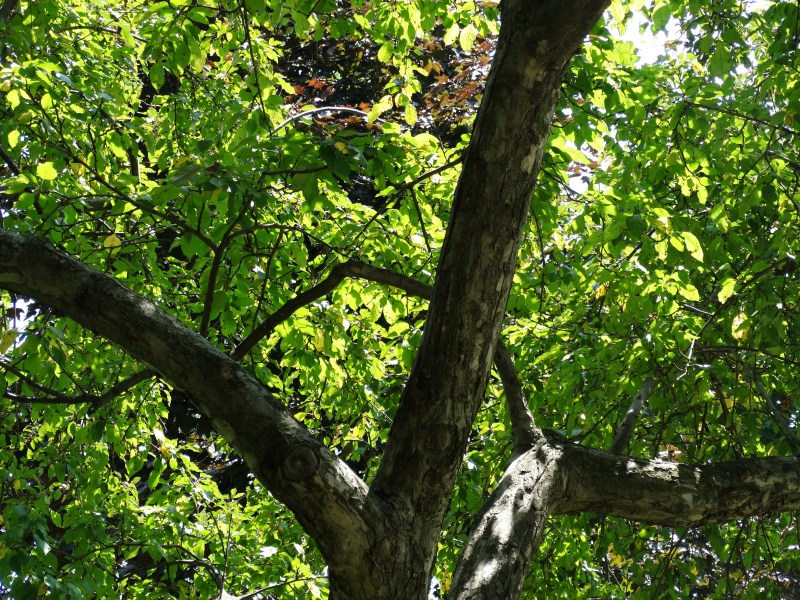
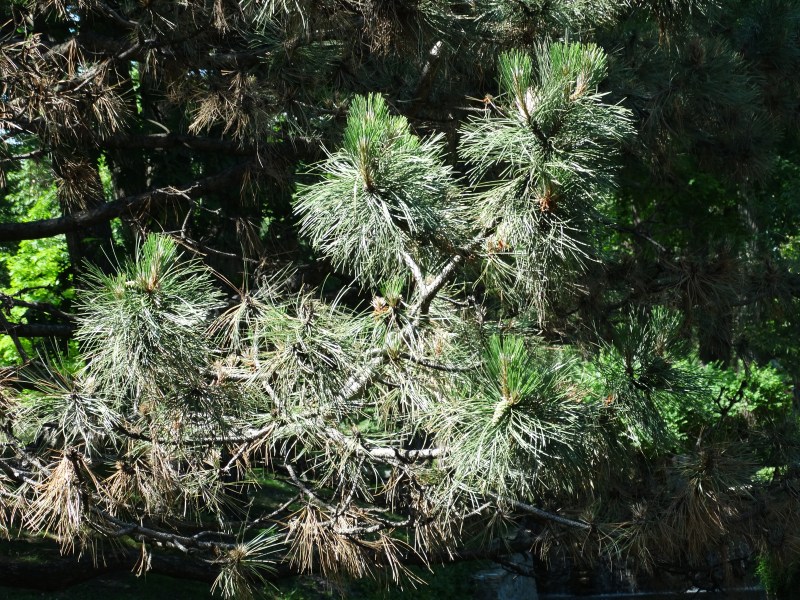
Ginkgo (Ginkgo biloba).

From Wikipedia:

“The ginkgo is a living fossil, with fossils recognisably related to modern ginkgo from the Permian, dating back 270 million years. The most plausible ancestral group for the order Ginkgoales is the Pteridospermatophyta, also known as the “seed ferns”, specifically the order Peltaspermales.

The closest living relatives of the clade are the cycads, which share with the extant G. biloba the characteristic of motile sperm. Fossils attributable to the genus Ginkgo first appeared in the Early Jurassic, and the genus diversified and spread throughout Laurasia during the middle Jurassic and Early Cretaceous.

It declined in diversity as the Cretaceous progressed, and by the Paleocene, Ginkgo adiantoides was the only Ginkgo species left in the Northern Hemisphere, while a markedly different (and poorly documented) form persisted in the Southern Hemisphere.

At the end of the Pliocene, Ginkgo fossils disappeared from the fossil record everywhere except in a small area of central China, where the modern species survived.

It is doubtful whether the Northern Hemisphere fossil species of Ginkgo can be reliably distinguished. Given the slow pace of evolution and morphological similarity between members of the genus, there may have been only one or two species existing in the Northern Hemisphere through the entirety of the Cenozoic: present-day G. biloba (including G. adiantoides) and G. gardneri from the Paleoce of Scotland.”
Image

Westmount Park – Flowering Trees (Eudicotylendons)

Westmount Park - Flowering Trees (Eudicotylendons)

Japanese Tree Lilac (Syringa reticulata).

From: http://bernheim.org/explore/arboretum/bernheim-select/japanese-tree-lilac/

“Japanese tree lilac is native to northern Japan. Plants are found growing on cliffs and in scrub, usually on limestone. The Olive or Oleaceae family also contains privet and forsythia. Syringa has about 30 species of trees and shrubs native to Europe and Asia. Japanese tree lilac is the only species that attains a tree-like form and size.”

Image

Westmount Park – Flowering Trees (Eudicotylendons)

Westmount Park - Flowering Trees (Eudicotylendons)

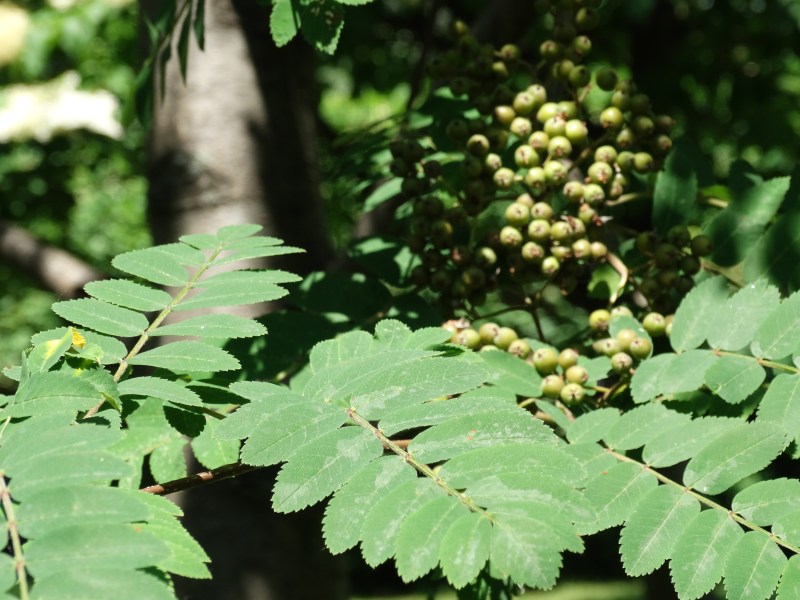
Service tree (Sorbus domestica).

From Wikipedia:

“The fruit is a component of a cider-like drink which is still made in parts of Europe. Picked straight off the tree, it is highly astringent and gritty; however, when left to blet (over-ripen) it sweetens and becomes pleasant to eat.

The sorb tree is cited in the Babylonian Talmud Tractate Ketubot page 79a. The case involves purchasing an Abba Zardasa, which is translated by Rashi, an early Medieval scholar as a forest of trees call Zardasa that is used for lumber because the fruit is not commercially important. The Aramaic word zardasa may be the origin of the English sorb.”

Image

Westmount Park – Flowering Trees (Eudicotylendons)

Westmount Park - Flowering Trees (Eudicotylendons)

Silver lime (Tilia tomentosa).

From Wikipedia:

“An infusion made from the flowers of T. tomentosa is antispasmodic, diaphoretic and sedative. This may be attributable to the presence of pharmacologically active ligands of benzodiazepine receptor.

A widespread belief is that the nectar of this species contains mannose, which can be toxic to some bees. This is incorrect; the sight of numerous comatose bees found on the ground at flowering time is rather a result of the paucity of nectar sources in late summer in urban areas.

This species, while fragrant in spring, drops buds and pollen during the spring and fall. It is not a good sidewalk tree for that reason, requiring frequent street cleaning.”

Image

Westmount Park – Flowering Trees (Eudicotylendons)

Westmount Park - Flowering Trees (Eudicotylendons)

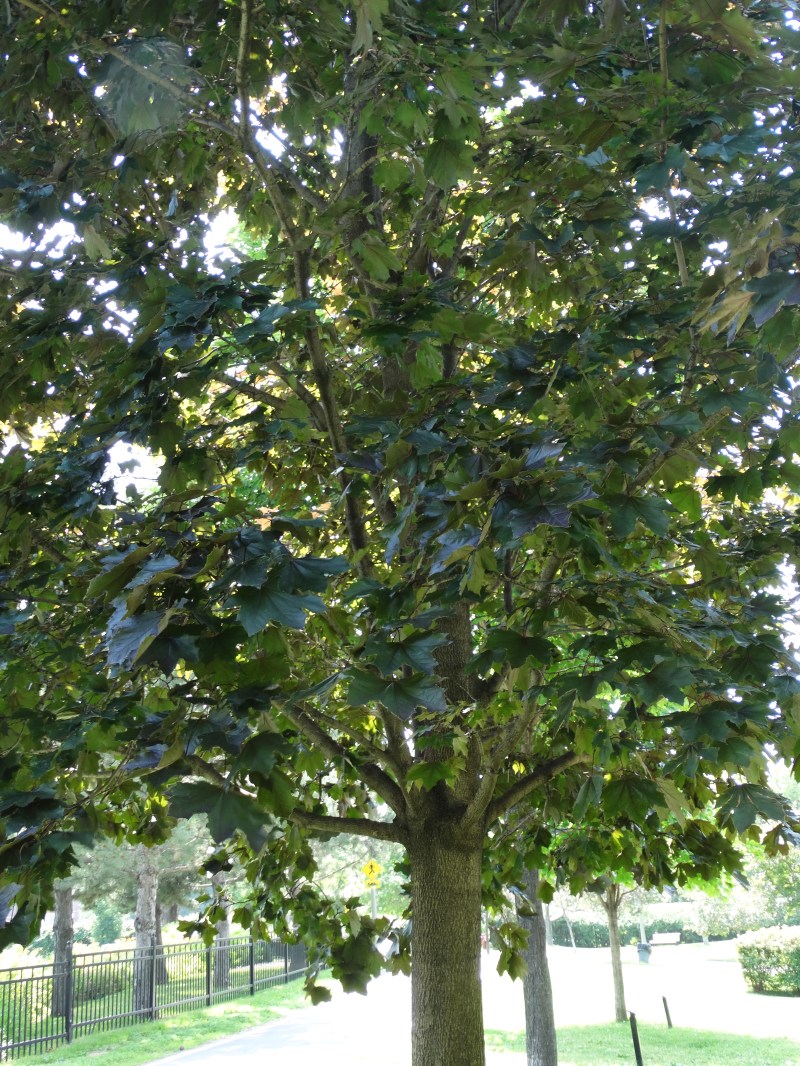
Norway maple (Acer platanoides).

From Wikipedia:

“Norway Maple has been widely placed into cultivation in other areas, including western Europe northwest of its native range. It grows north of the Arctic Circle at Tromsø, Norway. In North America, it is planted as a street and shade tree as far north as Anchorage, Alaska, having been first introduced from Europe in the 18th century.

During the 1950s-60s, it became popular as a street tree due to the large-scale loss of American Elms from Dutch Elm Disease.

It is favored due to its tall trunk and tolerance of poor, compacted soils and urban pollution, conditions that Sugar Maple cannot grow in. Because of the Norway Maple’s invasive nature, the London plane, Platanus X acerifolia, is often recommended as a pollution tolerant urban tree for planting where trees cannot be allowed to freely colonise new areas.”

Image

Westmount Park – Seed Trees (Conifers)

Westmount Park - Seed Trees (Conifers)

Umbrella Pine (Pinus pinea).

From Wikipedia:

“Pinus pinea has been cultivated extensively for at least 6,000 years for its edible pine nuts, which have been trade items since early historic times.

The tree has been cultivated throughout the Mediterranean region for so long that it has naturalized, and is often considered native beyond its natural range.”