Cenotaph – City of Westmount

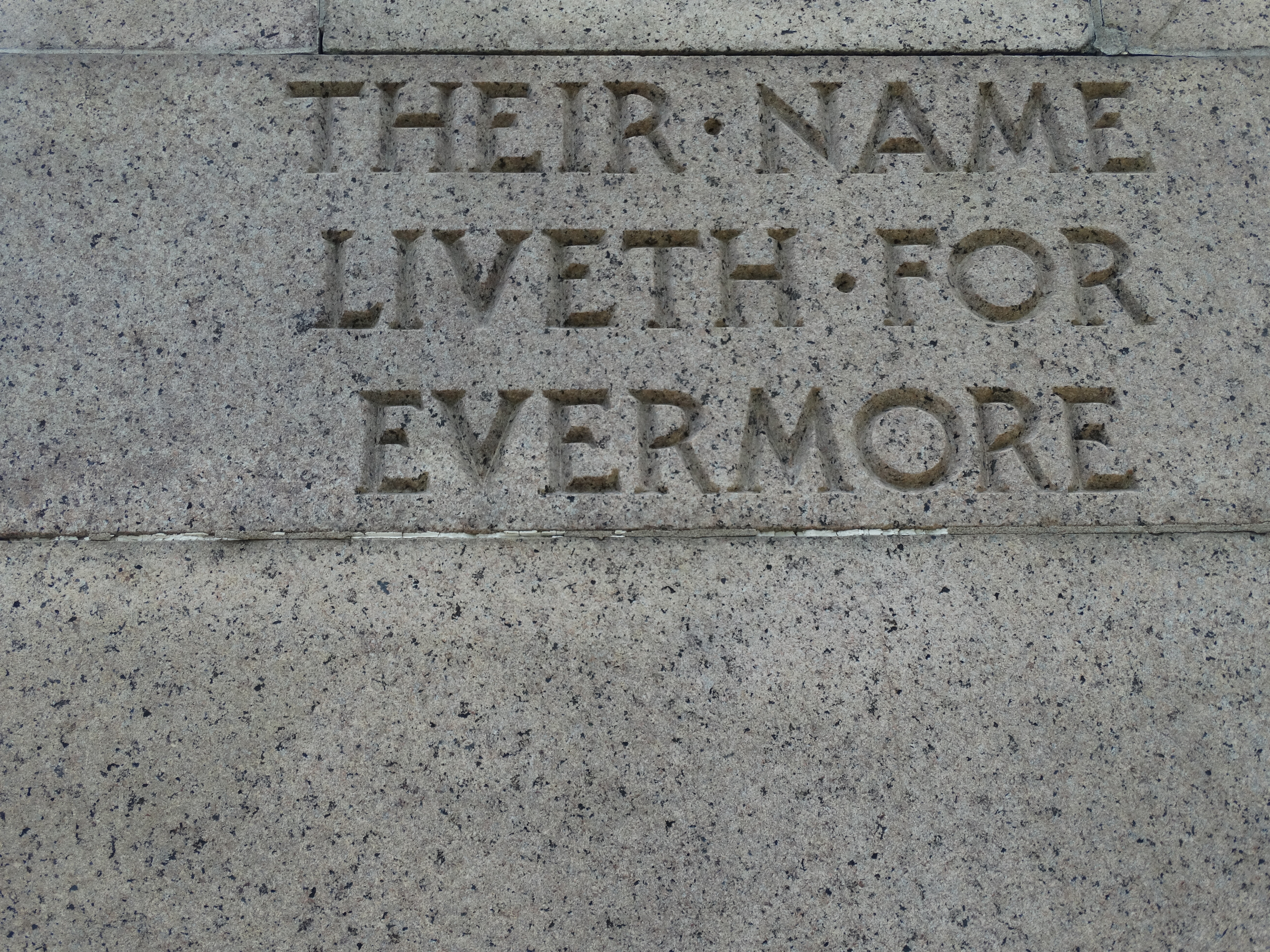
DSC00456

From: http://www.westmount.org/page.cfm?Section_ID=2&Menu_Item_ID=23&Menu_Item_Sub=29

“Unveiled on November 14, 1922, the Cenotaph stands in front of City Hall, in a small triangular park designated Garden Point, and is the work of George Hill. It is a tribute to the sacrifice of Westmount citizens who died on the field of honour during the First World War.

After the Second World War, Percy Nobbs landscaped its surroundings, adding a platform and a parapet to give more relief to the monument.

The first Westmount Post Office was housed for some time in the small brick house located on the north side of Côte-Saint-Antoine Road, opposite Garden Point.”
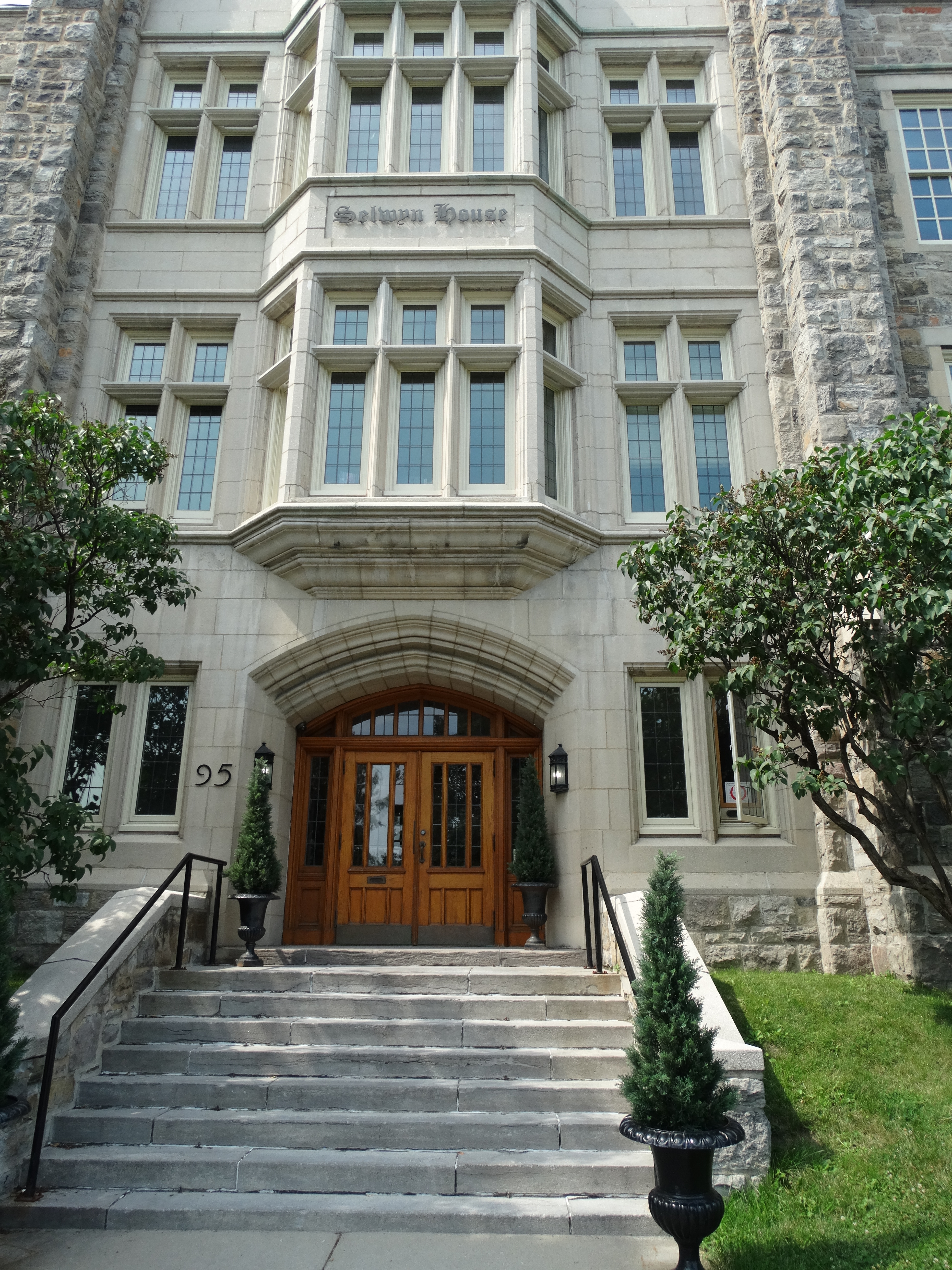
Selwyn House School – Cote St Antoine

DSC00447

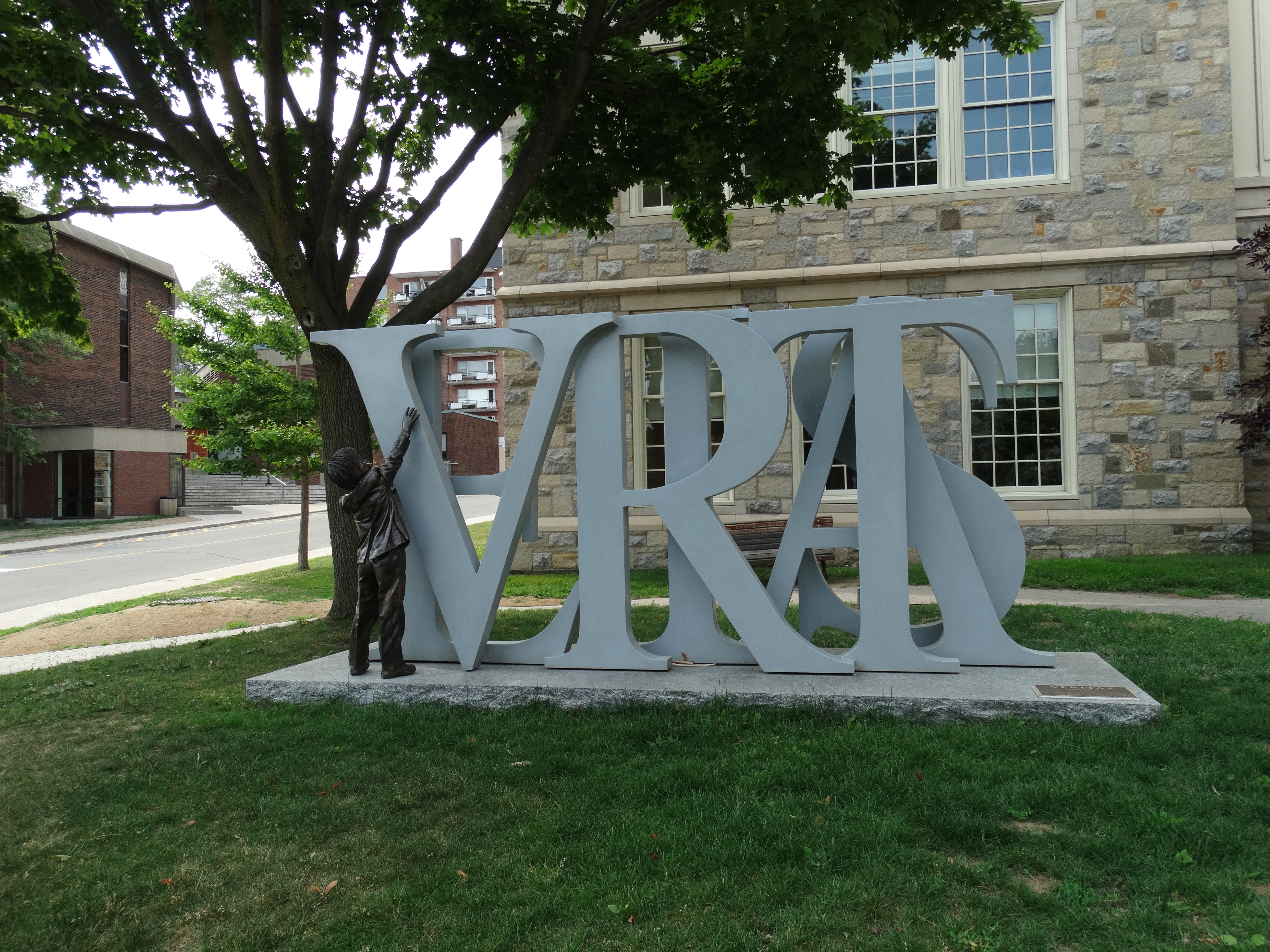
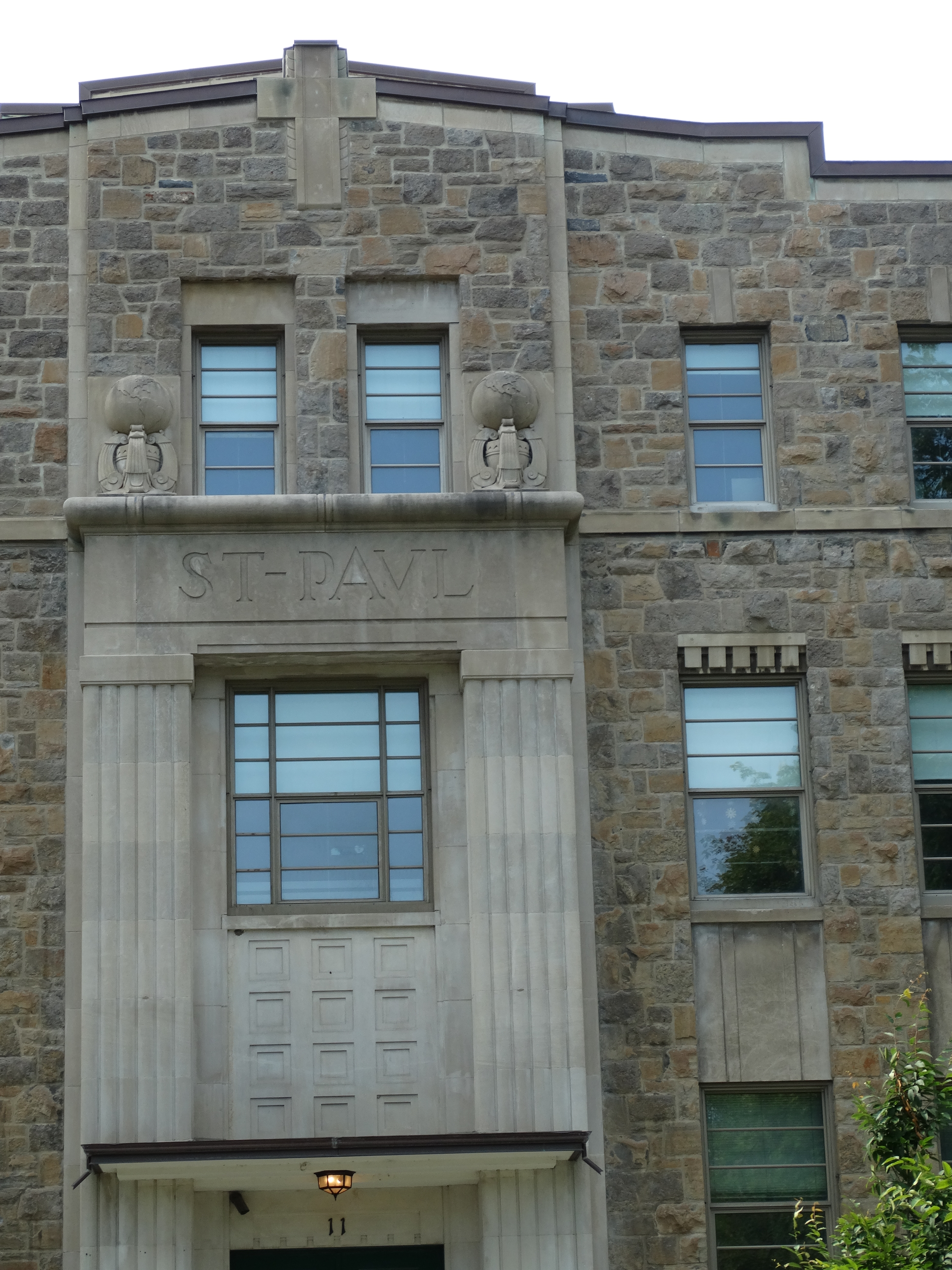
Art work outside Selwyn House School on Cote St Antoine.

From Wikipedia:

“The school was founded in 1908 by (an) Englishman Captain Algernon Lucas. It is named after Selwyn College, University of Cambridge, which Lucas attended.”

Tuition fees for attending Selwyn as of the 2014- 2015 school year range from $16,960 – $20,160 plus “other fees”.

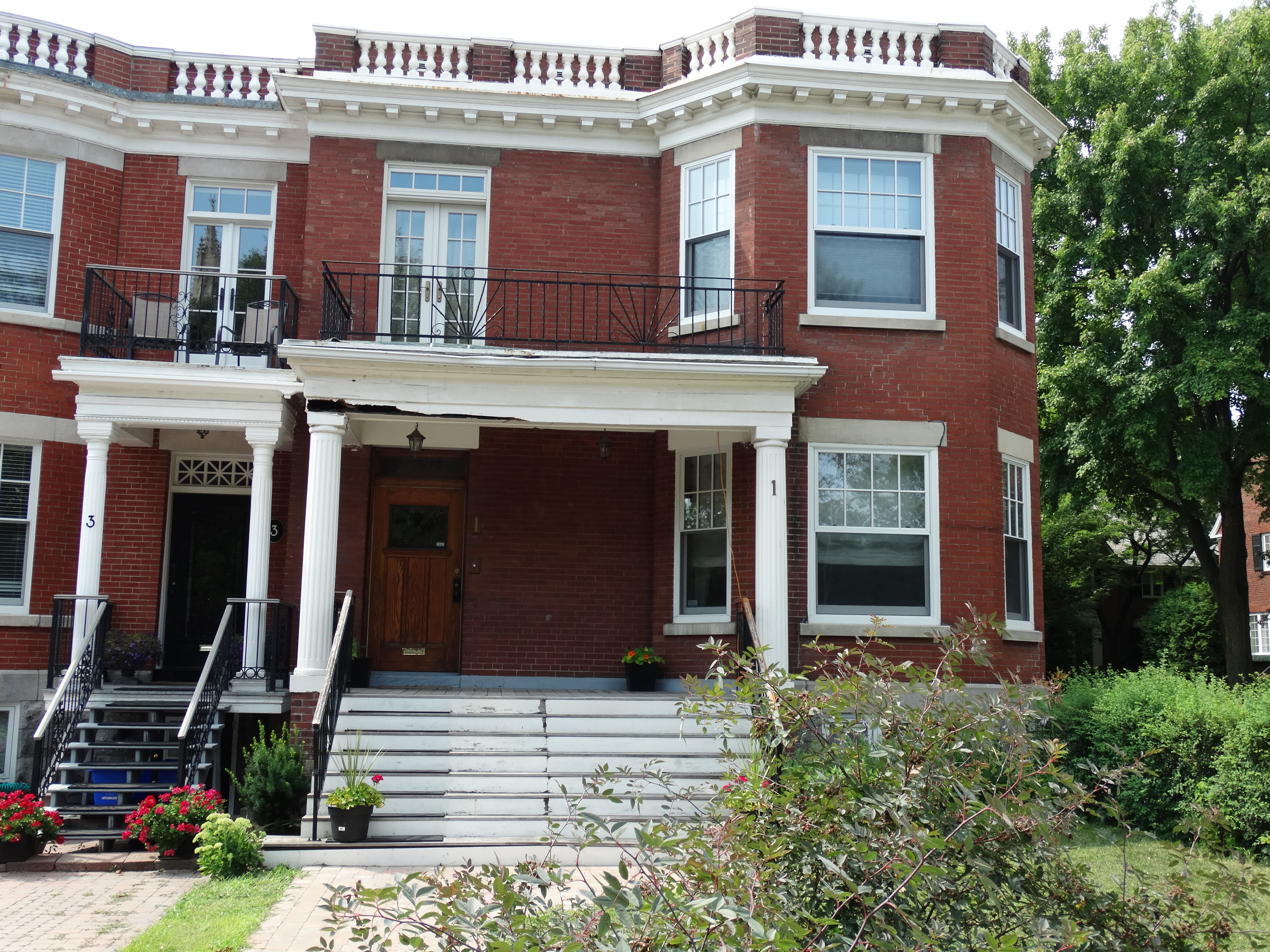
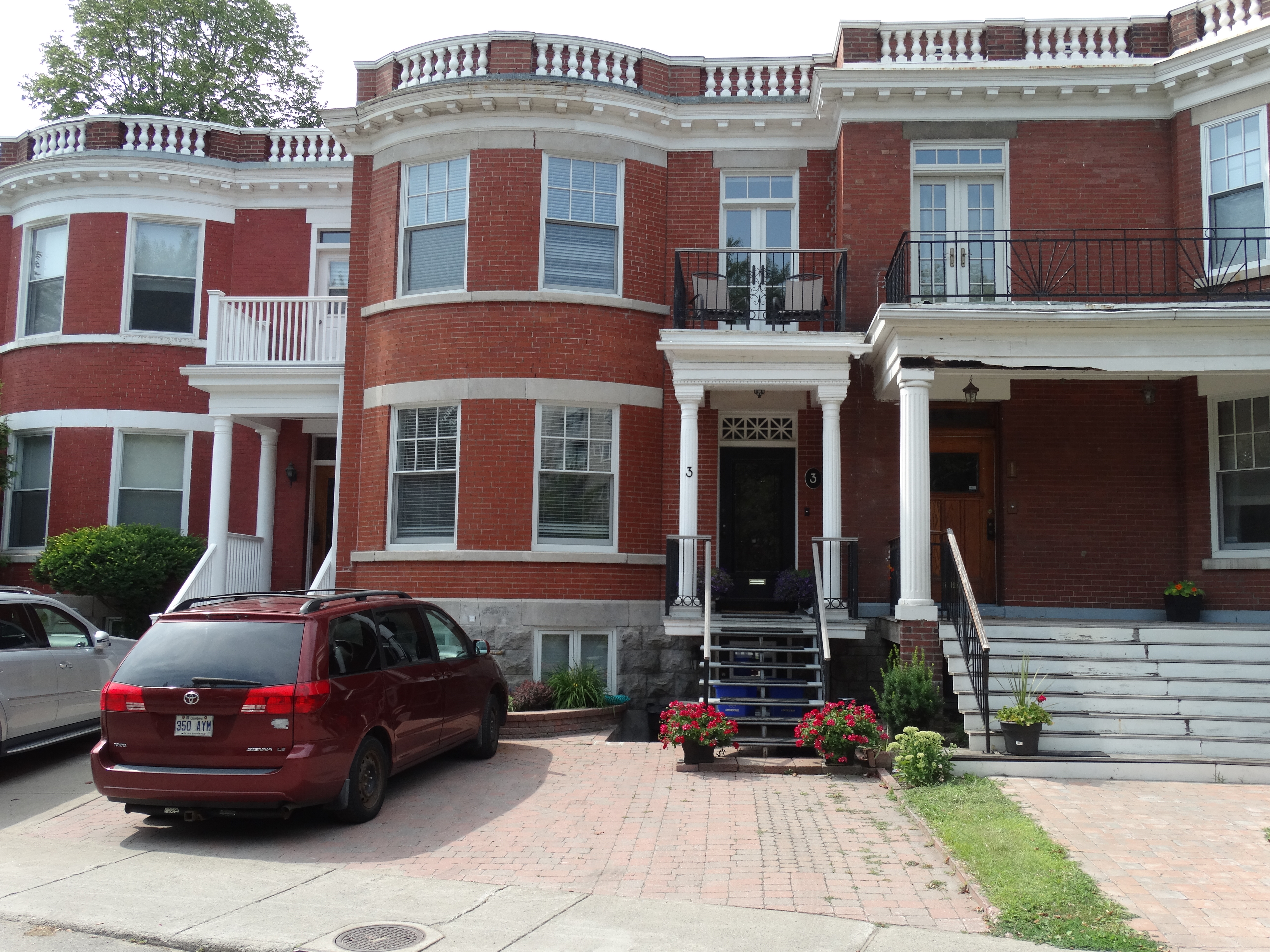
1 Cote St Antoine

DSC00455

F. W. Evans, general manager Wood & Evans insurance agents. The company was a representative of the Aetna Life Insurance Co. of Hartford, Connecticut and the London & Lancashire Fire Insurance Company of Liverpool. (1897).

From: http://www.rootsweb.ancestry.com/~qcmtl-w/EvansFredW.html

“(Frederick William Evans) became a councilor of Cote St. Antoine, now Westmount, in 1889, and re-entered Council in 1893 and served until 1902. He was Mayor 1896-7. He was council member of the Montreal Board of Trade in 1897, Treasurer in 1899, and first vice-president in 1910. He (was) president of the Dominion Guarantee Company, Canada Envelope Company and the West End Land Company.”

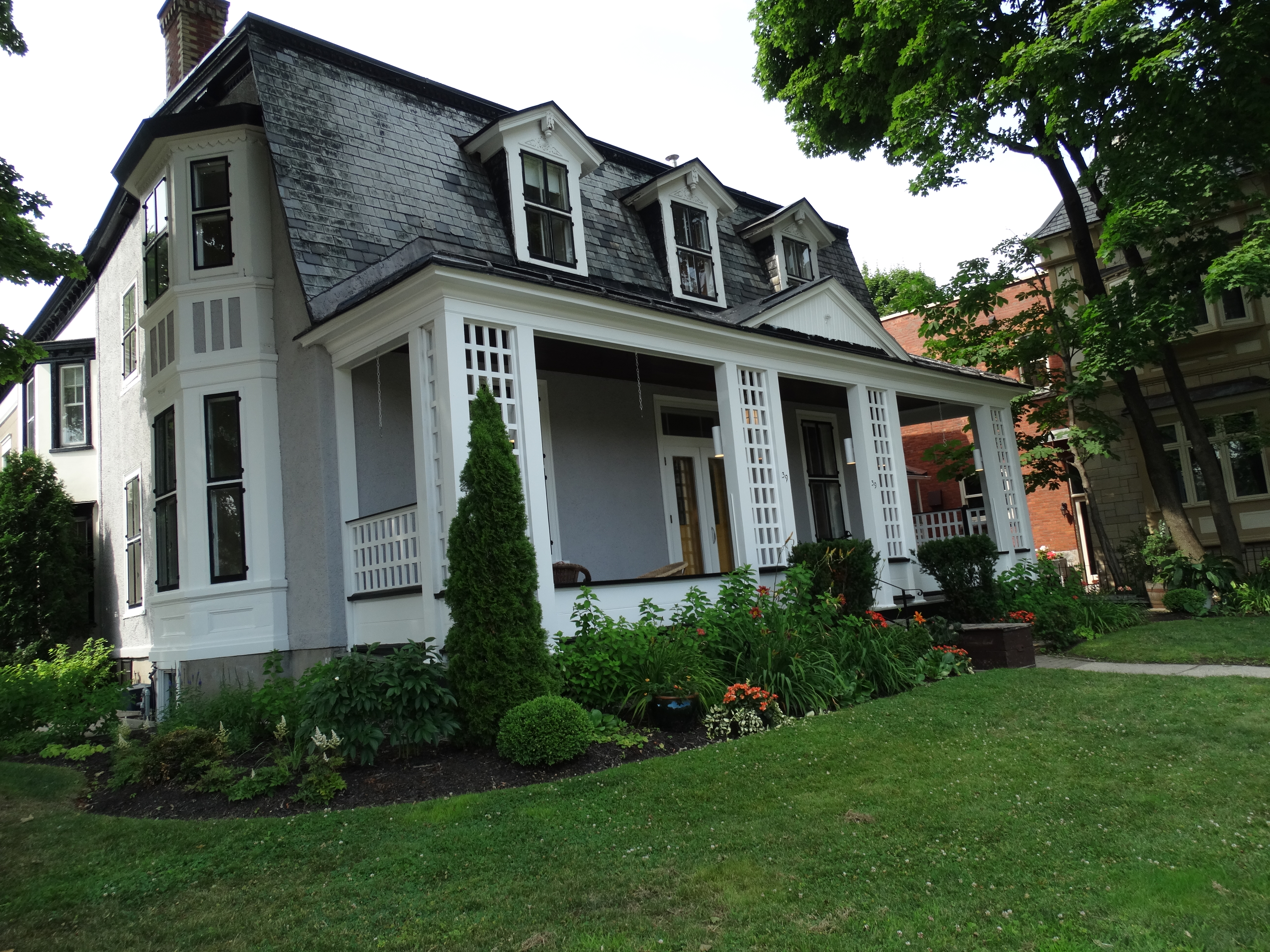
39 Cote St Antoine

DSC00450

Thomas Samuel & W. R. Samuel, Sheffield steelmakers (1897).

From : http://www.dincum.com/articles/redditch_needles_res.html

“Situated to the south west of Birmingham, the town of Redditch first established a needle making reputation as early as the 17th century. Initially this was a cottage industry but during the 19th century developed into factory based production.

By the mid 1800s dozens of individual companies were engaged in the trade. Products included fish hooks, surgeons’ and sewing needles. The development of the sewing machine during this period opened a lucrative new market. To meet this need, several local companies including Joseph Perkins & Sons, Thomas Shrimpton & Sons and Samuel Thomas & Sons added machine needles to their prospectus.

Their raw material was high quality steel wire, sourced from both nearby Birmingham and more distant Sheffield, renowned as the steel making capital of Britain.

By the 1870s, Sheffield steelmakers such as William Smith, Joseph Dyson, Joseph Wordsworth and Jagger Bros. advertised their steelware to Redditch needle makers. It has been estimated that by this period the town was producing many millions of needles annually, thereby dominating the UK market.”