Papyrus Plants (that gave us the word “paper”) – Westmount Park

DSC00380

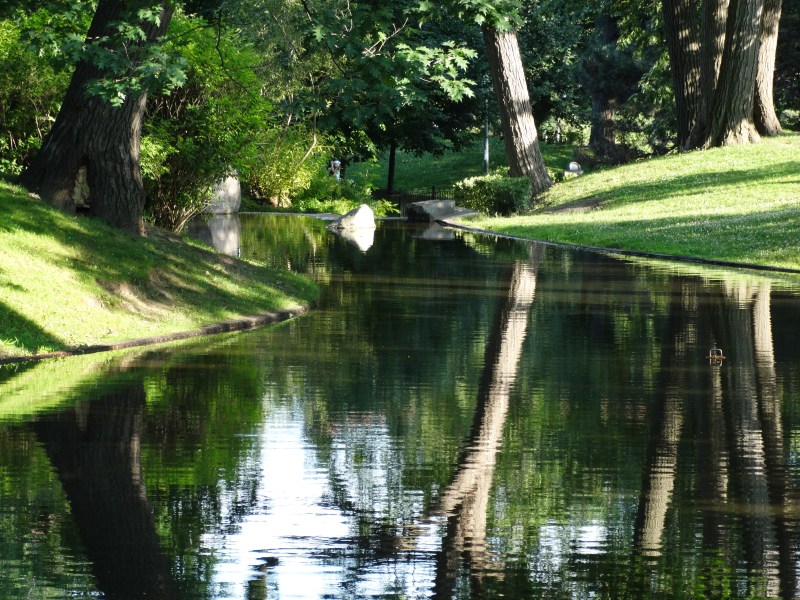
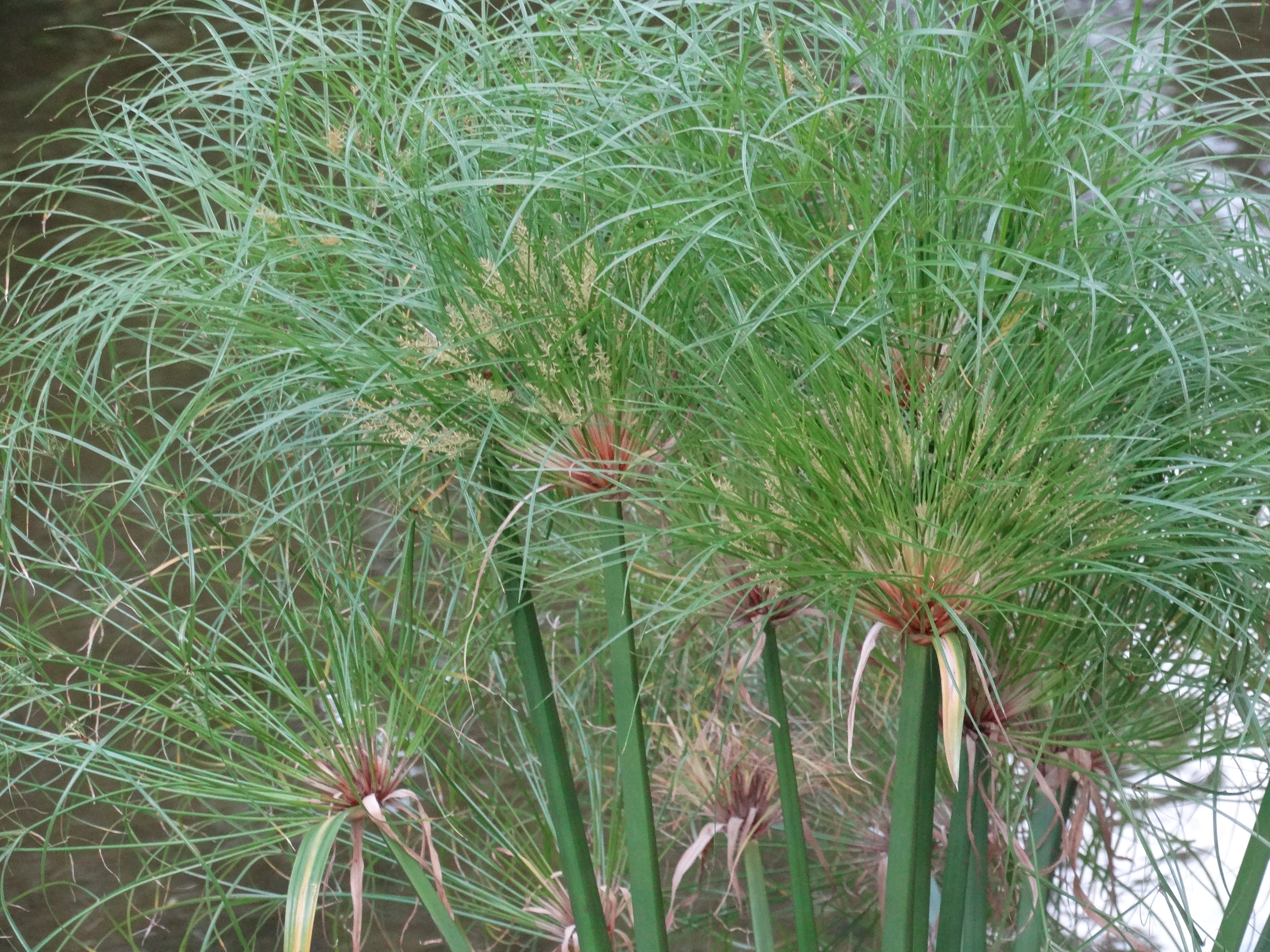
A Cyperus papyrus plant also know as: papyrus sedge, paper reed, Indian matting plant and Nile grass (in a planter) inside the park’s lagoon.

This plant was used by the ancient Egyptians as a source of paper. It has a very interesting history:

From: http://www.egyptian-papyrus.co.uk/

“The ancient Egyptians started making paper from the papyrus plant over five thousand years ago and became one of Egypt’s major exports. The modern word “paper” originates from the word “papyrus”.

Egyptian rulers realizing the importance of Papyrus, made its production a state monopoly, and guarded the secret of Papyrus jealously. The ancient Egyptians appeared to have used papyrus in so many ways. We know they made paper from papyrus but they also used it to make sandals, wove it into mats, baskets and fencing, made rope and also used parts of the plant for food as well as a medicine. The reeds were bundled together to make boats and dried to make fuel for fires. There are undoubtedly other uses that the ancient Egyptians found for papyrus.

There was no real competitor to Papyrus until, in AD 105, a Chinese court official called Ts’ai Lun invented paper. With the introduction of paper making into Egypt, the production of Papyrus rapidly declined, and eventually stopped. Papyrus was cultivated and used for writing material by Egyptians until the eighth and ninth centuries A.D. when paper from other plant fibers were utilized. By the third century A.D. the less expensive vellum, or parchment, had begun to replace papyrus in Europe.”
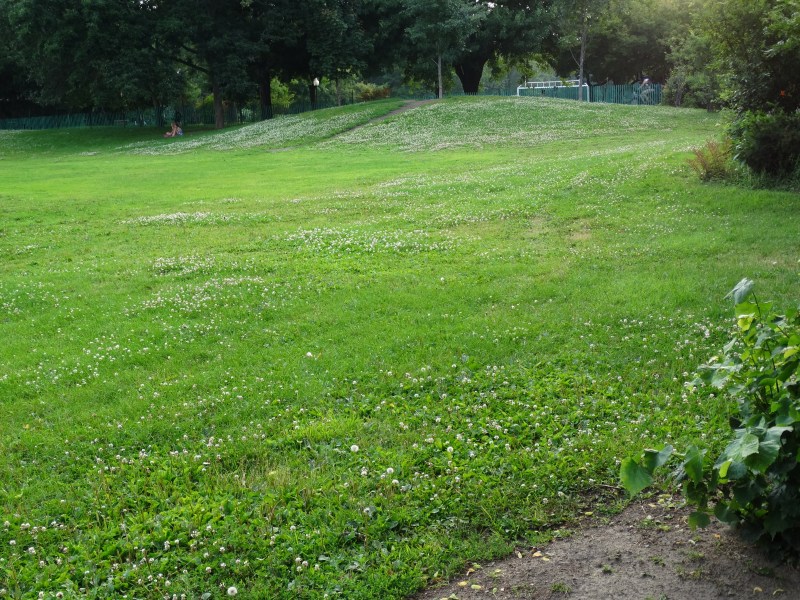
Westmount Park – Baseball Diamond Number 3

DSC00358

This used to be one of three baseball diamonds in the park. The area has gone through many “incarnations”, excluding the (very bad) idea of replacing the grass with synthetic fibers that look like grass.

I have good memories of couching Tee-Ball after work during the week on that diamond – giving the “team” freezies after the game. During the weekends, groups for friends would be “regulars” playing baseball.

Currently, it is a “hill” that used over the winter as a children’s slide – other than that, it is rarely used.

This is what the area could have been:

https://michaelld2003.wordpress.com/?s=what+could+have+been

Westmount Park – Flowering Trees (Eudicotylendons)

DSC00319

Russian Olive Tree (Elaeagnus angustifolia) categorized as an invasive species.

According to Columbia University:

http://www.columbia.edu/itc/cerc/danoff-burg/invasion_bio/inv_spp_summ/Elaeagnus_angustifolia.htm

“The Russian olive, with its tendency to spread quickly, is a menace to riparian woodlands, threatening strong, native species like cottonwood and willow trees. They are responsible for out competing a lot of native vegetation, interfering with natural plant succession and nutrient cycling and choking irrigation canals and marshlands in the western United States. This displacement of native plant species and critical wildlife habitats has undoubtedly affected native birds and other species. The heavy, dense shade of the Russian olive is also responsible for blocking out sunlight needed for other trees and plants in fields, open woodlands and forest edges. Overall, areas dominated by the Russian olive do not represent a high concentration of wildlife.

Control Level Diagnosis: The Russian olive has been categorized as a noxious weed in New Mexico and Utah, and as an invasive weed by California, Nebraska, Wisconsin and Wyoming state authorities. There is a serious concern that should the Russian olive continue to establish itself, it will become the dominant woody plant along Colorado’s rivers, where it is already taking over hundreds of thousands of acres of cottonwood and willow woodlands. Some cities are already taking steps to remove the Russian olive.”