Image

Westmount Park – Flowering Trees (Eudicotylendons)

Westmount Park - Flowering Trees (Eudicotylendons)

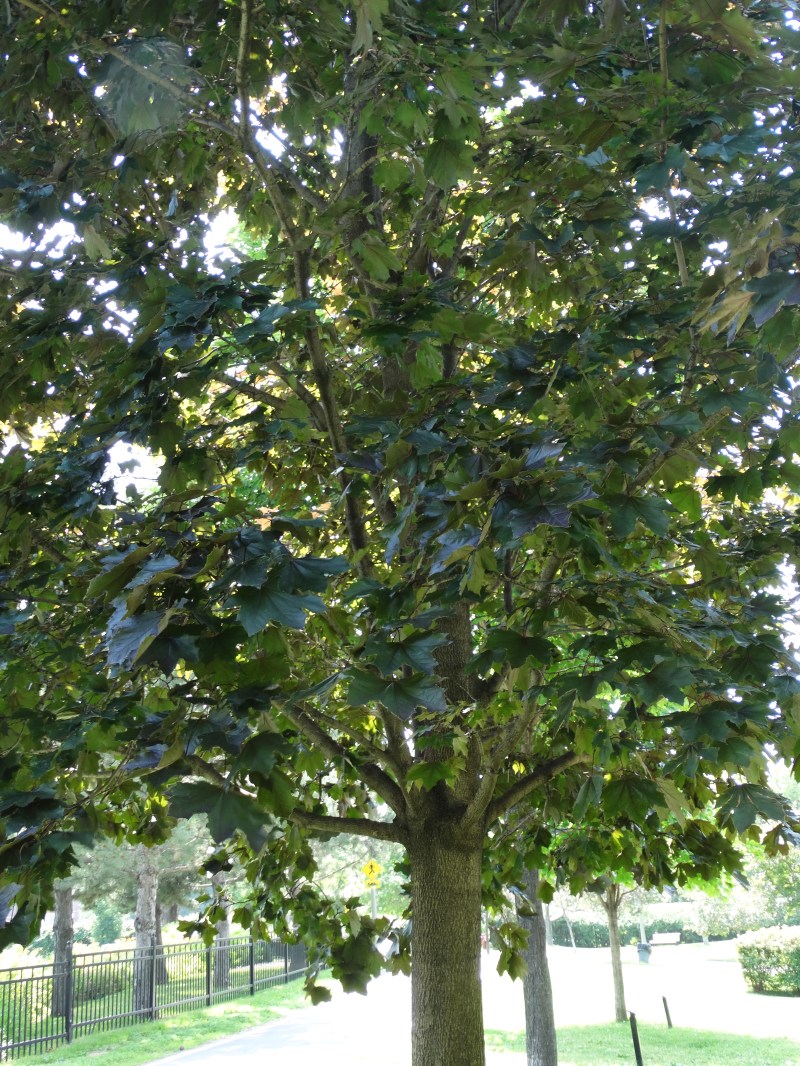
Norway maple (Acer platanoides).

From Wikipedia:

“Norway Maple has been widely placed into cultivation in other areas, including western Europe northwest of its native range. It grows north of the Arctic Circle at Tromsø, Norway. In North America, it is planted as a street and shade tree as far north as Anchorage, Alaska, having been first introduced from Europe in the 18th century.

During the 1950s-60s, it became popular as a street tree due to the large-scale loss of American Elms from Dutch Elm Disease.

It is favored due to its tall trunk and tolerance of poor, compacted soils and urban pollution, conditions that Sugar Maple cannot grow in. Because of the Norway Maple’s invasive nature, the London plane, Platanus X acerifolia, is often recommended as a pollution tolerant urban tree for planting where trees cannot be allowed to freely colonise new areas.”
Image

Westmount Park – Seed Trees (Conifers)

Westmount Park - Seed Trees (Conifers)

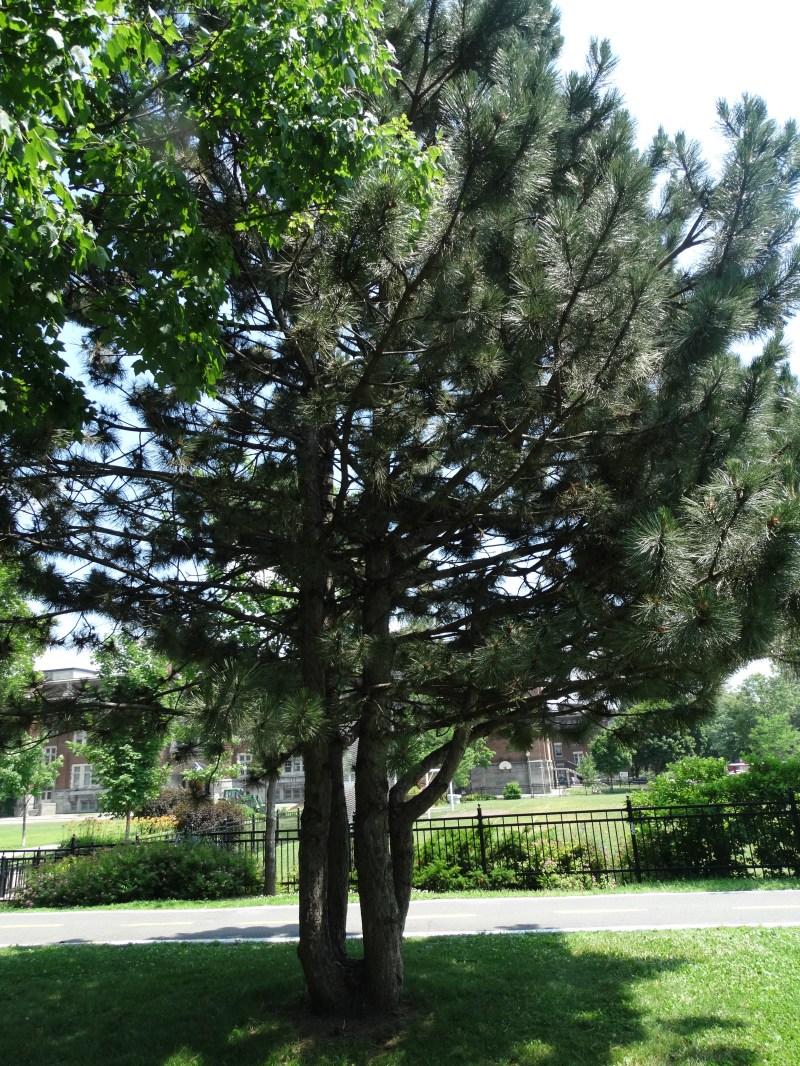
Umbrella Pine (Pinus pinea).

From Wikipedia:

“Pinus pinea has been cultivated extensively for at least 6,000 years for its edible pine nuts, which have been trade items since early historic times.

The tree has been cultivated throughout the Mediterranean region for so long that it has naturalized, and is often considered native beyond its natural range.”

Image

Westmount Park – Seed Trees (Conifers)

Westmount Park - Seed Trees (Conifers)

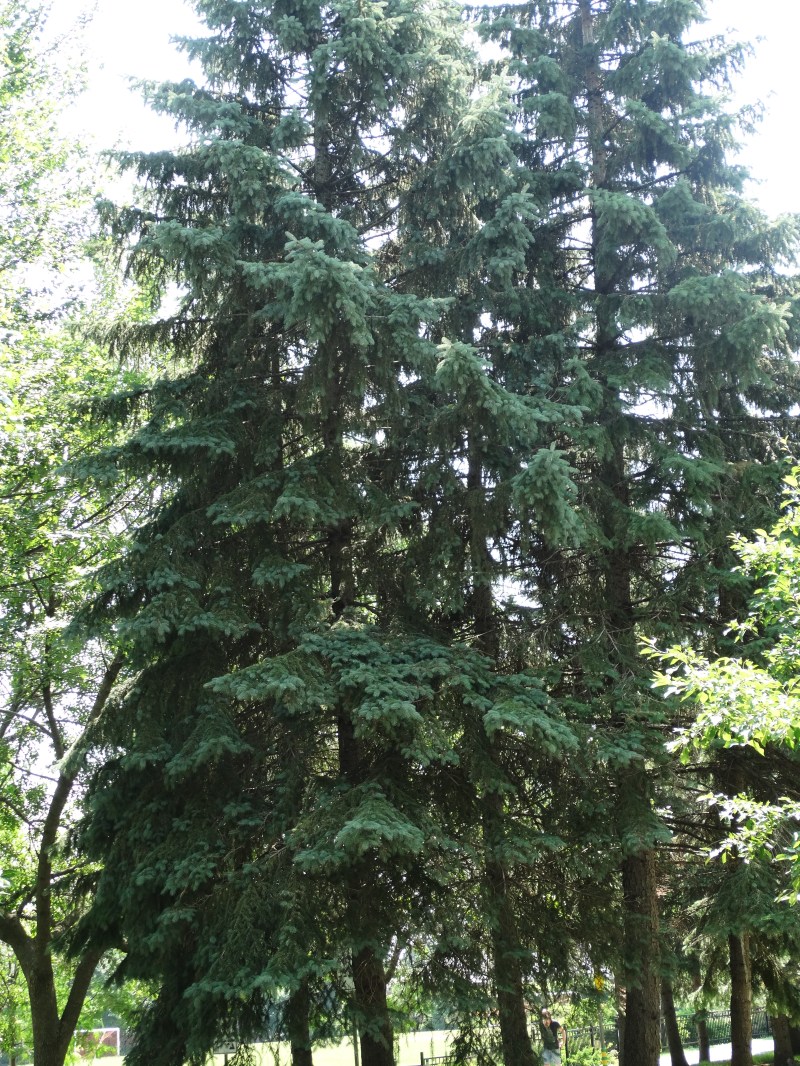
Picea breweriana (Brewer’s weeping spruce or just Weeping spruce).

From Wikipedia:

“Outside its native range, P. breweriana is a highly valued ornamental tree in gardens, particularly in Great Britain and Scandinavia, where it is appreciated for its dramatically pendulous foliage.

This plant has gained the Royal Horticultural Society’s Award of Garden Merit.”

Image

Croquet

Croquet

A croquet game at Westmount Park. Interesting to see the game still being played.

From Wikipedia:

“Regardless when and by what route it reached England and the British colonies in its recognizable form, croquet is, like pall mall, trucco, jeu de mail and kolven, clearly a derivative of ground billiards, which was popular in Western Europe back to at least the 14th century, with roots in classical antiquity.

Croquet became highly popular as a social pastime in England during the 1860s; by 1867, Jaques had printed 65,000 copies of his Laws and Regulations of the game. It quickly spread to other Anglophone countries, including Australia, Canada, New Zealand, South Africa, and the United States.

No doubt one of the attractions was that the game could be played by both sexes; this also ensured a certain amount of adverse comment.”