
Former site of the Heather Curling Club (1905).
Former site of the Heather Curling Club (1905).

Gargoyles over the former Bank of Nova Scotia at Green & St. Catherine.
Gargoyle origins from Wikipedia:
“A French legend that sprang up around the name of St. Romanus (“Romain”) (AD 631–641), the former chancellor of the Merovingian king Clotaire II who was made bishop of Rouen, relates how he delivered the country around Rouen from a monster called Gargouille or Goji. La Gargouille is said to have been the typical dragon with batlike wings, a long neck, and the ability to breathe fire from its mouth.
There are multiple versions of the story, either that St. Romanus subdued the creature with a crucifix, or he captured the creature with the help of the only volunteer, a condemned man. In each, the monster is led back to Rouen and burned, but its head and neck would not burn due to being tempered by its own fire breath.
The head was then mounted on the walls of the newly built church to scare off evil spirits, and used for protection. In commemoration of St. Romain, the Archbishops of Rouen were granted the right to set a prisoner free on the day that the reliquary of the saint was carried in procession.”
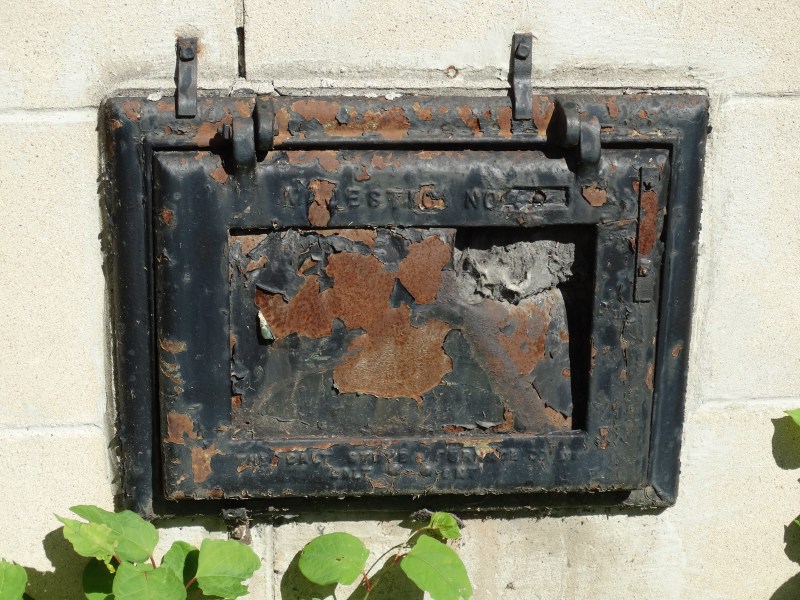
Old coal chute – St. Catherine Street near Bethune.
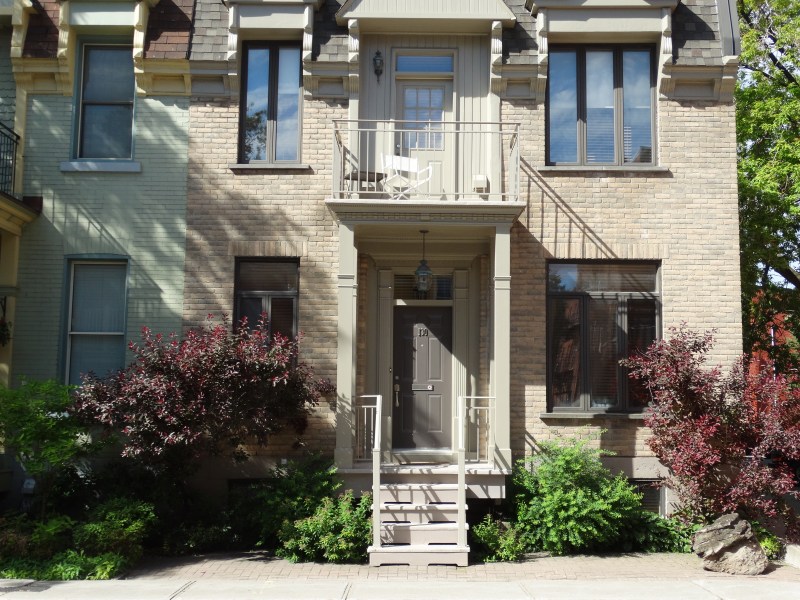
W. J. Lapham (1897) – Lapham Brothers, Builders and Turning (lathe operations) located on 1 St. Philip Street.

H. J. Silver (1897) – Principal, Dufferin School.
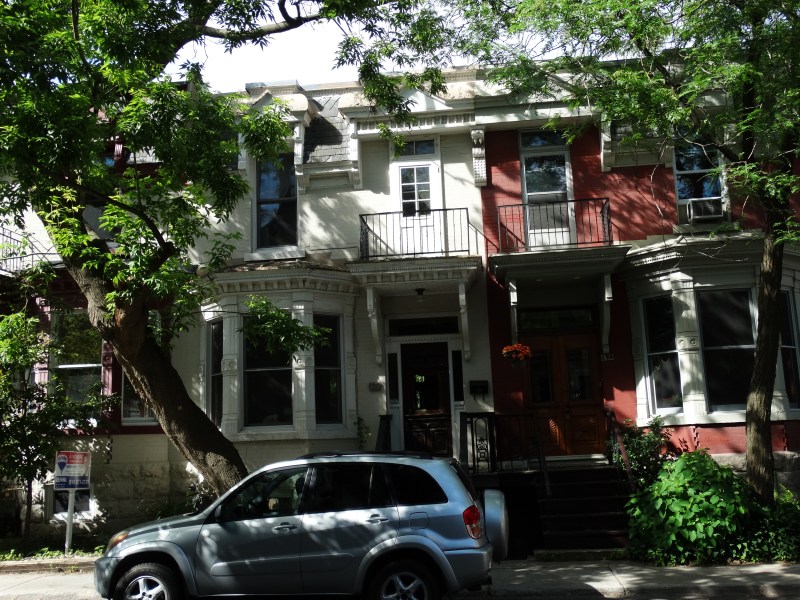
Gordon Fletcher (1897) – Ticket agent, Grand Trunk Railway.

Alfred Minister (1897) – Superintendent, Thompson Shoe Factory.
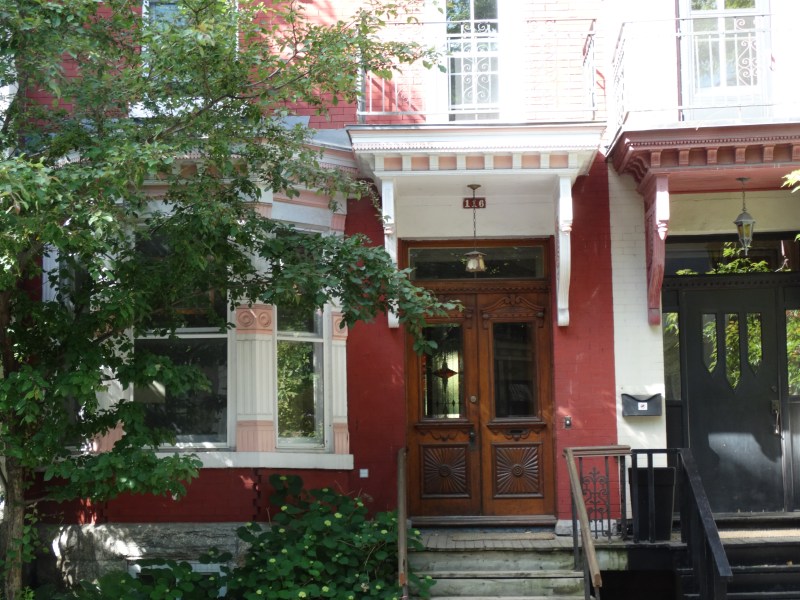
S. H. Stone (1897) – Agent, St. Henri Depot.

H. W. Aird (1897) – Treasurer of the Canada Paint Company.
Advertisement from the Monetary Times, April 24, 1903:
“Dry colors and coach painting materials of every description are manufactured in Montreal by this company. The waters of the Lachine Canal are harnessed to powerful turbines; steam and electricity also being employed.
The most extensive oxide and graphite mines for the production of paints in the Dominion of Canada are owned by the Canada Paint Company. One branch of the company is entirely devoted to grinding and maturing White lead, and amongst their brands may be mentioned the “Painters’ Perfect” white lead, which is beautifully soft and fine in the grain. It mixes well with linseed oil, forming a creamy, smooth paint of great covering power and undoubted durability.”
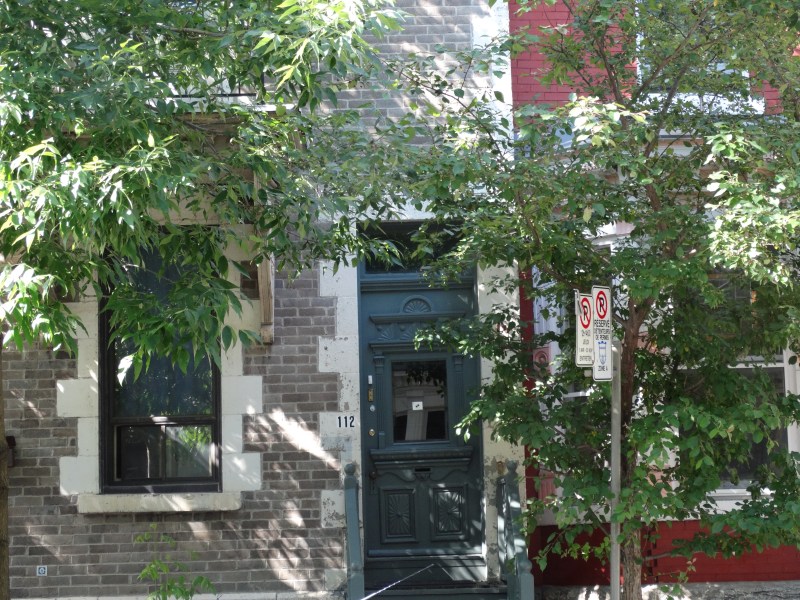
Hugh B. Cowper (1897) – Wright and Cowper Co. Bicycle and accessories sales located at 2759 St Catherine Street.
 Westmount Overlooked