Image

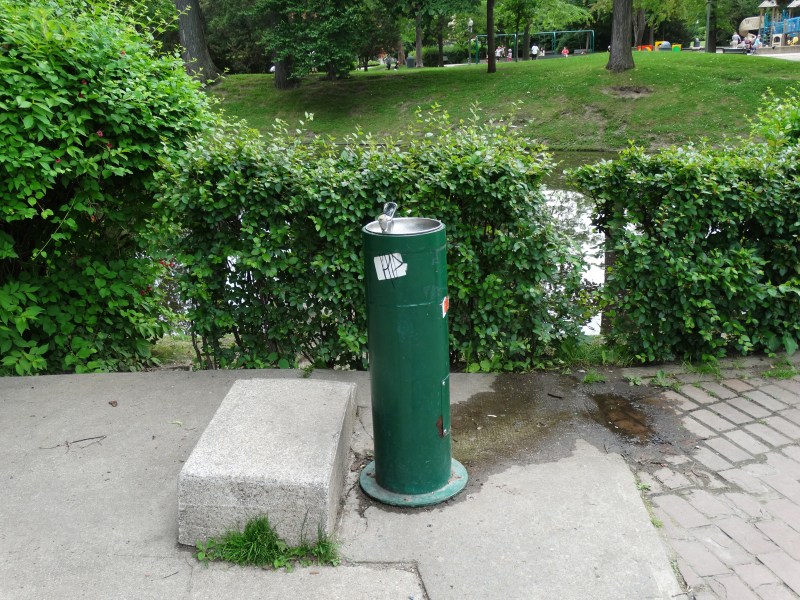
Water Fountain – Westmount Park

Water Fountain - Westmount Park

The original (1930s) water fountain in Westmount Park.

Twenty five years ago the City suggested replacing these with newer models. A letter to the Westmount Examiner, at the time, suggested changing the faucet and adding a new water pipe. The City agreed and the original fountains still exist to this day.

As an aside, Mayor Peter Trent’s book (The Merger Delusion: How Swallowing Its Suburbs Made an Even Bigger Mess of Montreal) calls the Westmount Examiner the City’s former “Hansard”. I recall realtors mentioning the paper as one of the “selling points” for one moving to Westmount.

The paper used to be delivered, at minimal cost, once a week.

It baffles me as to what happened – it is now delivered, and not and worth reading, in our “Publi-Sacs” with all the other flyers that go straight into the recycling box.

When our daughter was small, and spent hours in the Children’s Library, I used to enjoy reading the old copies (on paper & microfilm) while waiting. It was an excellent local paper that was well written and truly represented the interests of the City – am I the only resident that mourns its loss?

(TCI Media stopped published the Westmount Examiner on October, 2015)
Image

Former Duck Habitat – Westmount Park

Former Duck Habitat - Westmount Park

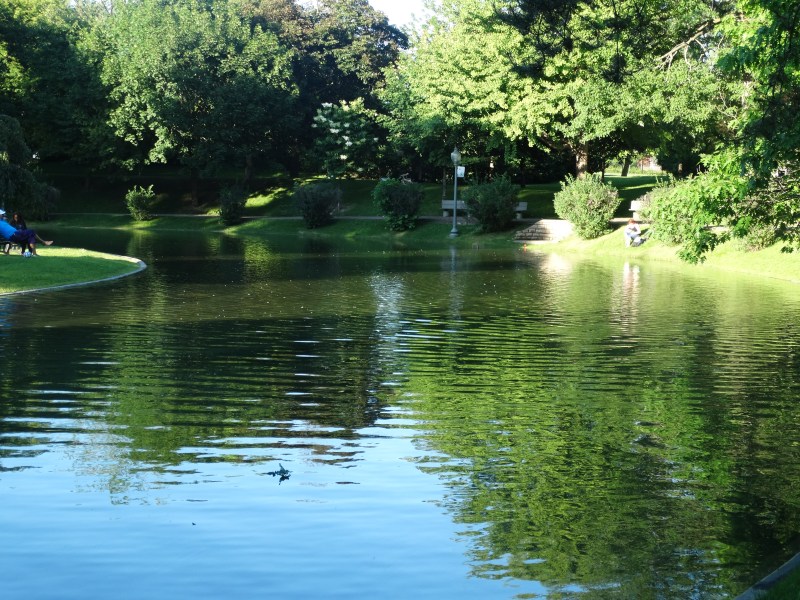
At one point in time, the City used to “rent” ducks to inhabit the lagoon over the summer months.

This was a favourite feeding location for parents and their children.

Unfortunately, vandalism that resulted in the deaths of several ducklings caused the City (quite rightly) to stop providing these birds.

Image

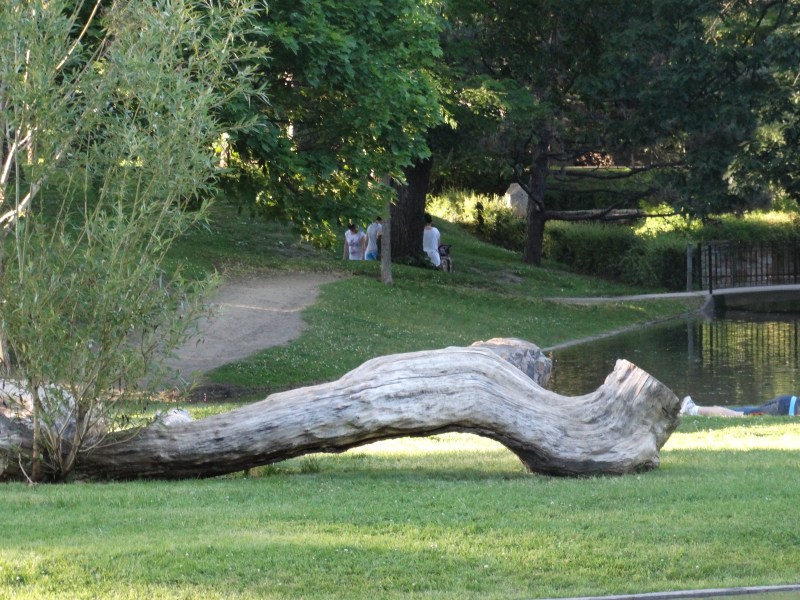
Former Willow Tree

Former Willow Tree

A bough from a former Willow tree (genus Salix) near the lagoon at Westmount Park. This particular bough grew horizontally across the lagoon and was a favourite climbing spot for generations of children.

The tree grew victim to vandalism and disease.

Medicinal uses of Salix from Wikipedia:

“The leaves and bark of the willow tree have been mentioned in ancient texts from Assyria, Sumer and Egypt as a remedy for aches and fever, and in Ancient Greece the physician Hippocrates wrote about its medicinal properties in the fifth century BC. Native Americans across the Americas relied on it as a staple of their medical treatments.

It provides temporary pain relief. Salicin is metabolized into salicylic acid in the human body, and is a precursor of aspirin.

In 1763, its medicinal properties were observed by the Reverend Edward Stone in England. He notified the Royal Society, which published his findings.

The active extract of the bark, called salicin, was isolated to its crystalline form in 1828 by Henri Leroux, a French pharmacist, and Raffaele Piria, an Italian chemist, who then succeeded in separating out the compound in its pure state.

In 1897, Felix Hoffmann created a synthetically altered version of salicin (in his case derived from the Spiraea plant), which caused less digestive upset than pure salicylic acid. The new drug, formally acetylsalicylic acid, was named Aspirin by Hoffmann’s employer Bayer AG. This gave rise to the hugely important class of drugs known as nonsteroidal anti-inflammatory drugs (NSAIDs).”