Image

Westmount Park – Conifirs

Westmount Park - Conifirs

European silver fir (Abies alba).

From Wikipedia:

“Silver Fir is the species first used as a Christmas tree, but has been largely replaced by Nordmann Fir (which has denser, more attractive foliage), Norway Spruce (which is much cheaper to grow), and other species. The wood is moderately soft and white, used for general construction and paper manufacture.”

Image

Westmount Park – Flowering Trees (Eudicotylendons)

Westmount Park - Flowering Trees (Eudicotylendons)

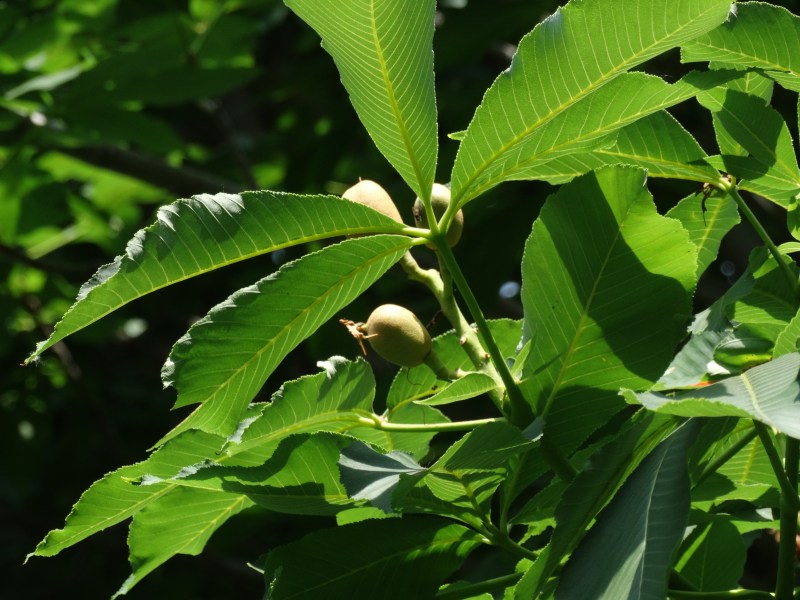
Shellbark Hickory (Carya laciniosa).

From Wikipedia:

“Shellbark hickory nuts are used for food by ducks, quail, wild turkeys, squirrels, chipmunks, deer, foxes, raccoons, and white-footed mice. A few plantations of shellbark hickory have been established for nut production, but the nuts are difficult to crack, though the kernel is sweet. The wood is used for furniture, tool handles, sporting goods, veneer, fuelwood, and charcoal.”

Image

Westmount Park – Flowering Trees (Eudicotylendons)

Westmount Park - Flowering Trees (Eudicotylendons)

Horse-Chestnut (Aesculus hippocastanum).

From Wikipedia:

“In Britain and Ireland, the nuts are used for the popular children’s game conkers. During the First World War, there was a campaign to ask for everyone (including children) to collect horse-chestnuts and donate them to the government. The conkers were used as a source of starch for the fermentation via the Clostridium acetobutylicum method devised by Chaim Weizmann to produce acetone.”

“The common name “horse-chestnut” (often unhyphenated) is reported as having originated from the erroneous belief that the tree was a kind of chestnut (though in fact only distantly related), together with the observation that eating the fruit cured horses of chest complaints[ despite this plant being poisonous to horses.”

Image

Westmount Park – Flowering Trees (Eudicotylendons)

Westmount Park - Flowering Trees (Eudicotylendons)

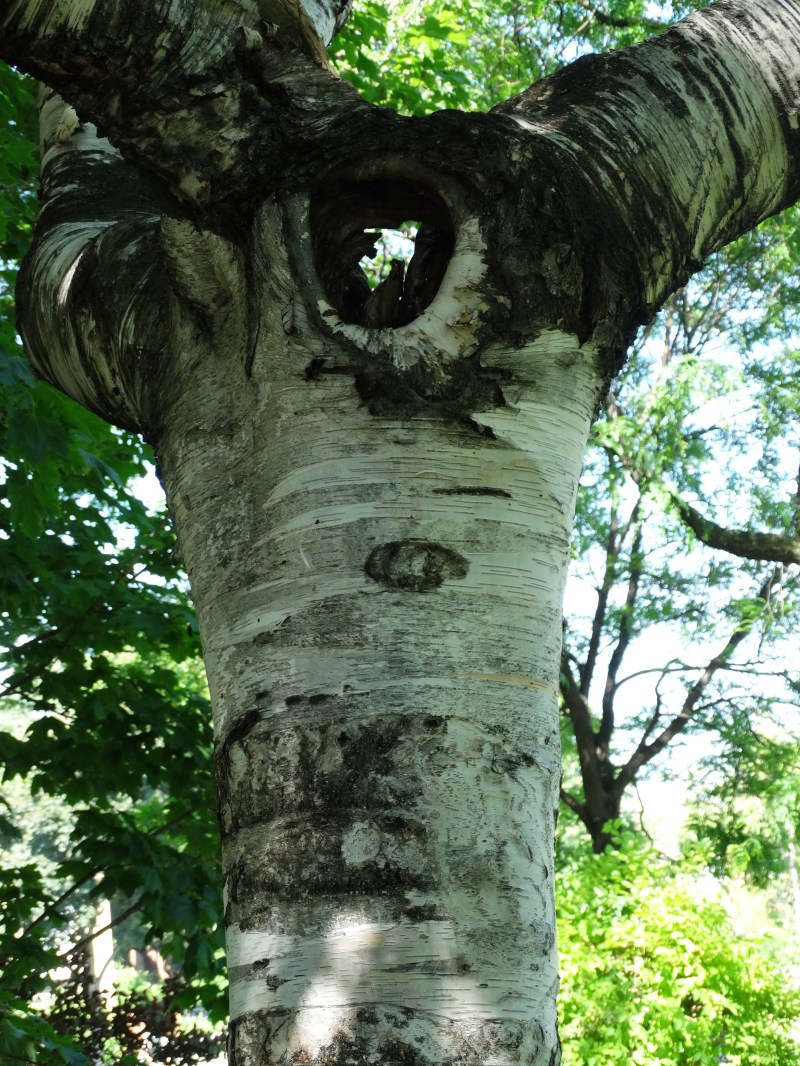
Paper Birch, also known as White Birch and Canoe Birch (Betula papyrifera).

From Wikipedia:

“While a paper birch does not have a very high overall economic value, it is used in furniture, flooring, popsicle sticks and oriented strand board.

The sap is boiled down to produce birch syrup. Panels of bark can be fitted or sewn together to make cartons and boxes (a birchbark box is called a wiigwaasi-makakin the Anishinaabe language).

The bark is also used to create a durable waterproof layer in the construction of sod-roofed houses.”

Image

Seed Bearing Plants – Westmount Park

Seed Bearing Plants - Westmount Park

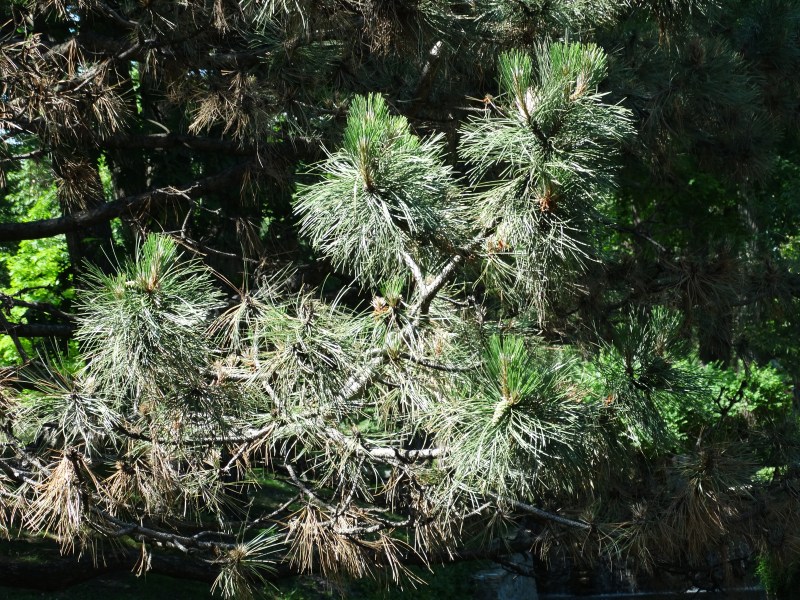
Scots pine (Pinus sylvestris).

From Wikipedia:

“In Scandinavian countries, Scots pine was used for making tar in the pre-industrial age. There are still some active tar producers, but mostly the industry has ceased to exist. The pine has also been used as a source of rosin and turpentine.”

Image

Westmount Park – Flowering Trees (Eudicotylendons)

Westmount Park - Flowering Trees (Eudicotylendons)

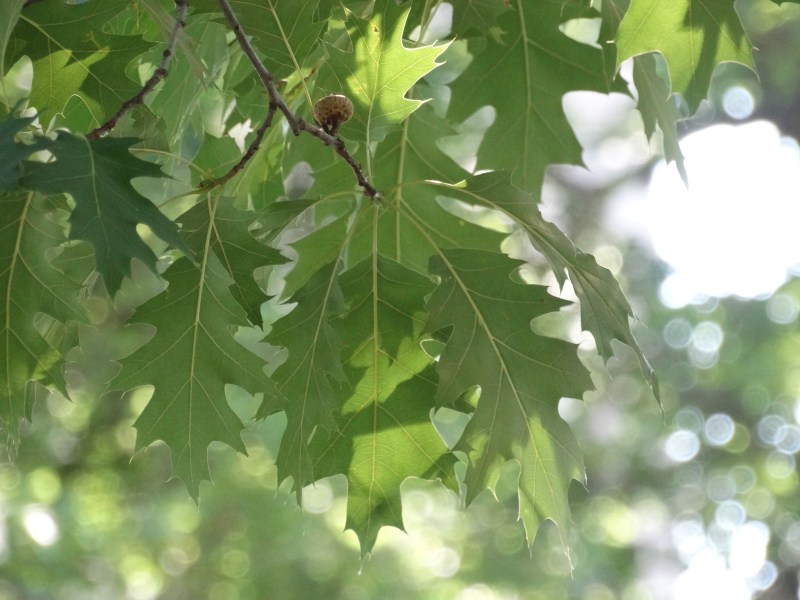
Northern red oak or Champion oak (Quercus rubra).

From Wikipedia:

“The northern red oak is one of the most important oaks for timber production in North America.

Quality red oak is of high value as lumber and veneer, while defective logs are used as firewood.

Other related oaks are also cut and marketed as red oak, although their wood is not always of as high a quality.

These include eastern black oak, scarlet oak, pin oak, Shumard oak, southern red oak and other species in the red oak group. Construction uses include flooring, veneer, interior trim, and furniture. It is also used for lumber, railroad ties, and fence posts.”

Image

Seed Trees – Westmount Park

Seed Trees - Westmount Park

Ginkgo (Ginkgo biloba).

From Wikipedia:

“The ginkgo is a living fossil, with fossils recognisably related to modern ginkgo from the Permian, dating back 270 million years. The most plausible ancestral group for the order Ginkgoales is the Pteridospermatophyta, also known as the “seed ferns”, specifically the order Peltaspermales.

The closest living relatives of the clade are the cycads, which share with the extant G. biloba the characteristic of motile sperm. Fossils attributable to the genus Ginkgo first appeared in the Early Jurassic, and the genus diversified and spread throughout Laurasia during the middle Jurassic and Early Cretaceous.

It declined in diversity as the Cretaceous progressed, and by the Paleocene, Ginkgo adiantoides was the only Ginkgo species left in the Northern Hemisphere, while a markedly different (and poorly documented) form persisted in the Southern Hemisphere.

At the end of the Pliocene, Ginkgo fossils disappeared from the fossil record everywhere except in a small area of central China, where the modern species survived.

It is doubtful whether the Northern Hemisphere fossil species of Ginkgo can be reliably distinguished. Given the slow pace of evolution and morphological similarity between members of the genus, there may have been only one or two species existing in the Northern Hemisphere through the entirety of the Cenozoic: present-day G. biloba (including G. adiantoides) and G. gardneri from the Paleoce of Scotland.”

Image

Westmount Park – Flowering Trees (Eudicotylendons)

Westmount Park - Flowering Trees (Eudicotylendons)

Japanese Tree Lilac (Syringa reticulata).

From: http://bernheim.org/explore/arboretum/bernheim-select/japanese-tree-lilac/

“Japanese tree lilac is native to northern Japan. Plants are found growing on cliffs and in scrub, usually on limestone. The Olive or Oleaceae family also contains privet and forsythia. Syringa has about 30 species of trees and shrubs native to Europe and Asia. Japanese tree lilac is the only species that attains a tree-like form and size.”