Image

Westmount Park – Flowering Trees (Eudicotylendons)

Westmount Park - Flowering Trees (Eudicotylendons)

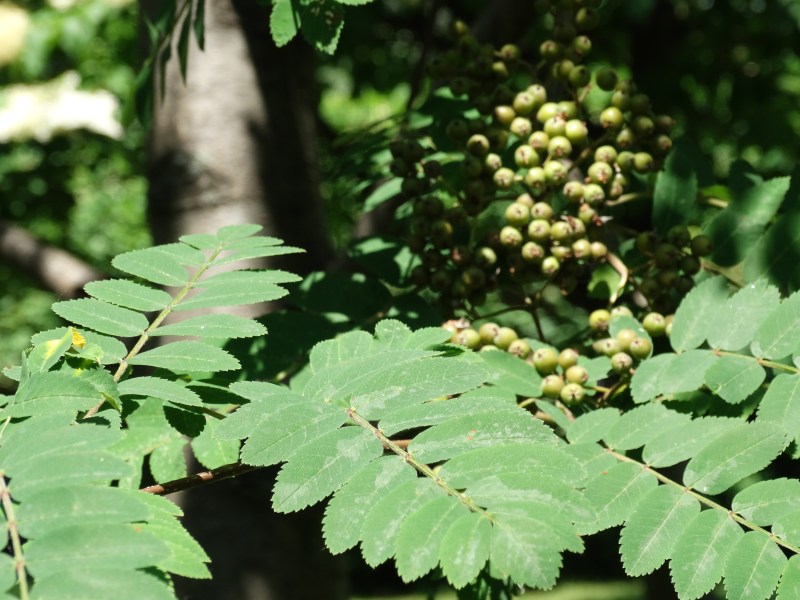
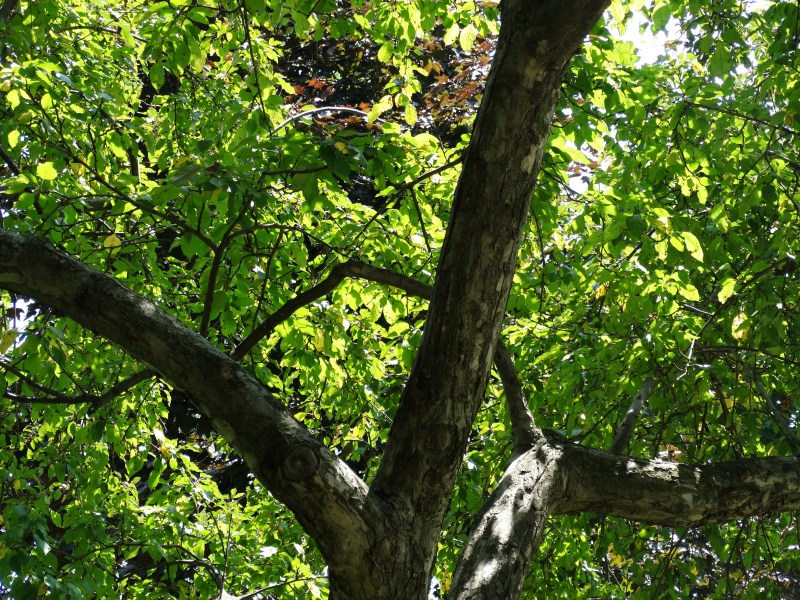
Service tree (Sorbus domestica).

From Wikipedia:

“The fruit is a component of a cider-like drink which is still made in parts of Europe. Picked straight off the tree, it is highly astringent and gritty; however, when left to blet (over-ripen) it sweetens and becomes pleasant to eat.

The sorb tree is cited in the Babylonian Talmud Tractate Ketubot page 79a. The case involves purchasing an Abba Zardasa, which is translated by Rashi, an early Medieval scholar as a forest of trees call Zardasa that is used for lumber because the fruit is not commercially important. The Aramaic word zardasa may be the origin of the English sorb.”

Image

Westmount Park – Flowering Trees (Eudicotylendons)

Westmount Park - Flowering Trees (Eudicotylendons)

Silver lime (Tilia tomentosa).

From Wikipedia:

“An infusion made from the flowers of T. tomentosa is antispasmodic, diaphoretic and sedative. This may be attributable to the presence of pharmacologically active ligands of benzodiazepine receptor.

A widespread belief is that the nectar of this species contains mannose, which can be toxic to some bees. This is incorrect; the sight of numerous comatose bees found on the ground at flowering time is rather a result of the paucity of nectar sources in late summer in urban areas.

This species, while fragrant in spring, drops buds and pollen during the spring and fall. It is not a good sidewalk tree for that reason, requiring frequent street cleaning.”

Image

Westmount Park – Flowering Trees (Eudicotylendons)

Westmount Park - Flowering Trees (Eudicotylendons)

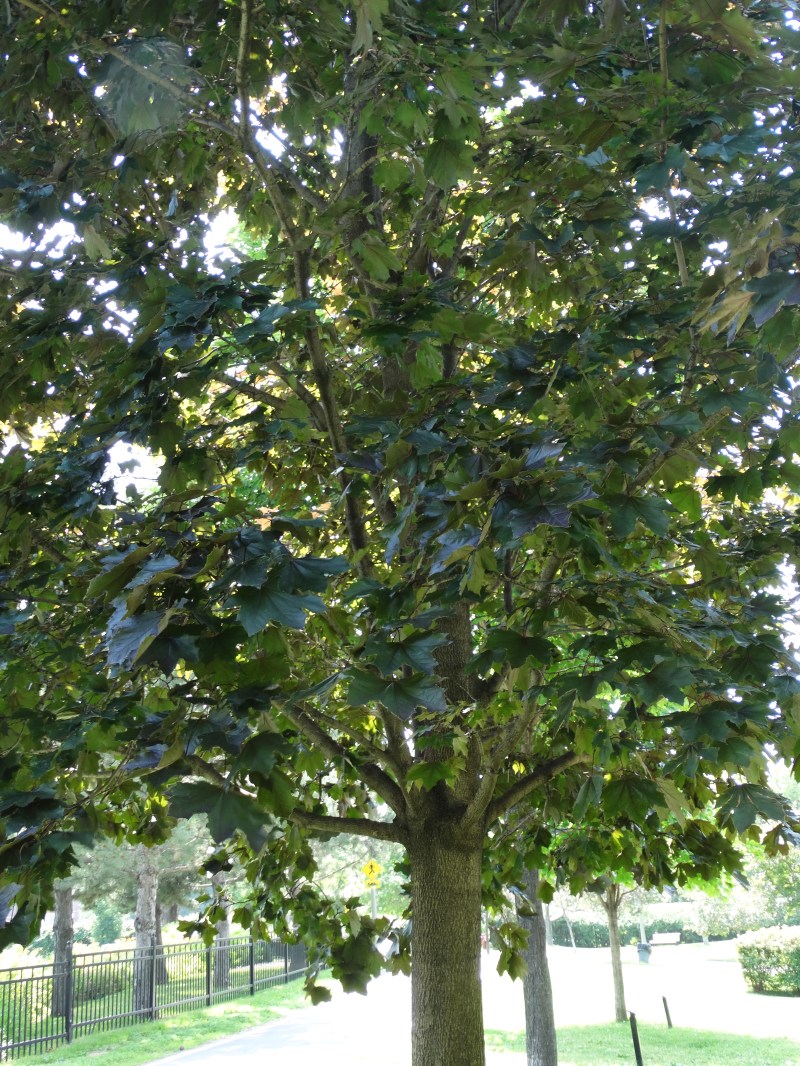
Norway maple (Acer platanoides).

From Wikipedia:

“Norway Maple has been widely placed into cultivation in other areas, including western Europe northwest of its native range. It grows north of the Arctic Circle at Tromsø, Norway. In North America, it is planted as a street and shade tree as far north as Anchorage, Alaska, having been first introduced from Europe in the 18th century.

During the 1950s-60s, it became popular as a street tree due to the large-scale loss of American Elms from Dutch Elm Disease.

It is favored due to its tall trunk and tolerance of poor, compacted soils and urban pollution, conditions that Sugar Maple cannot grow in. Because of the Norway Maple’s invasive nature, the London plane, Platanus X acerifolia, is often recommended as a pollution tolerant urban tree for planting where trees cannot be allowed to freely colonise new areas.”

Image

Westmount Park – Seed Trees (Conifers)

Westmount Park - Seed Trees (Conifers)

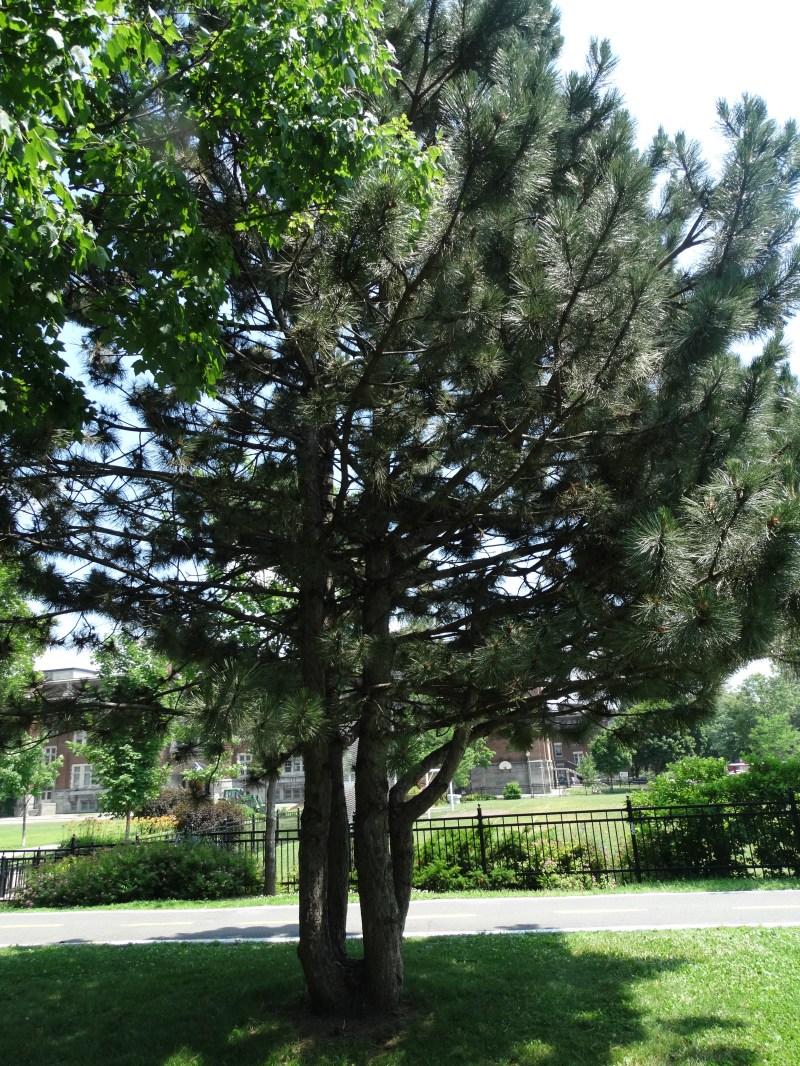
Umbrella Pine (Pinus pinea).

From Wikipedia:

“Pinus pinea has been cultivated extensively for at least 6,000 years for its edible pine nuts, which have been trade items since early historic times.

The tree has been cultivated throughout the Mediterranean region for so long that it has naturalized, and is often considered native beyond its natural range.”

Image

Westmount Park – Seed Trees (Conifers)

Westmount Park - Seed Trees (Conifers)

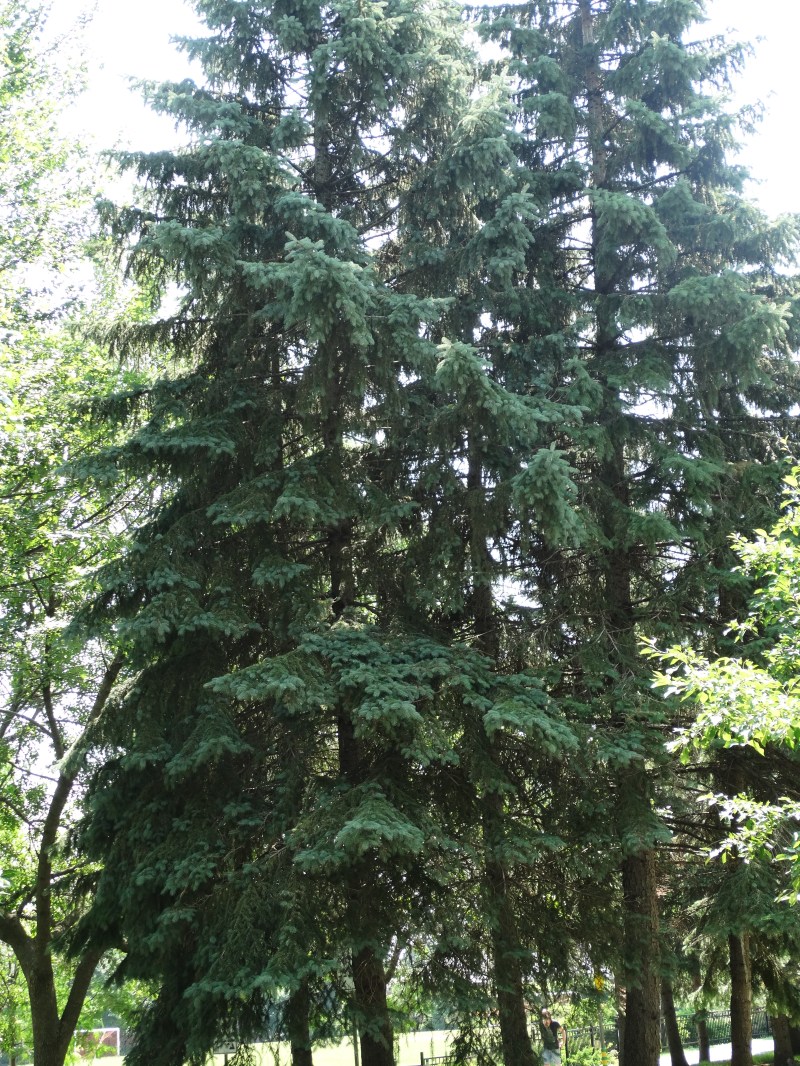
Picea breweriana (Brewer’s weeping spruce or just Weeping spruce).

From Wikipedia:

“Outside its native range, P. breweriana is a highly valued ornamental tree in gardens, particularly in Great Britain and Scandinavia, where it is appreciated for its dramatically pendulous foliage.

This plant has gained the Royal Horticultural Society’s Award of Garden Merit.”