
Melville Avenue’s “resident cat”.
He didn’t look “very impressed” as I took this picture of him resting on his owner’s exterior staircase.
Melville Avenue’s “resident cat”.
He didn’t look “very impressed” as I took this picture of him resting on his owner’s exterior staircase.

A “cheerful” patch of black-eyed Susans (the state flower of Maryland), also known as “Indian Summer”, planted by the City on the perimeter of Westmount Park adjacent to Melville Avenue.
From Wikipedia: (I do not recommend trying any of the following remedies)
“Traditional Native American medicinal uses:
The roots but not the seed heads of Rudbeckia hirta can be used much like the related Echinacea purpurea to boost immunity and fight colds, flu and infections.
It is also an astringent when used in a warm infusion as a wash for sores and swellings.
The Ojibwa people used it as a poultice for snake bites and to make an infusion for treating colds and worms in children. The plant is also diuretic and was used by the Menominee and Potawatomi peoples. Juice from the roots has been used as drops for earaches.”
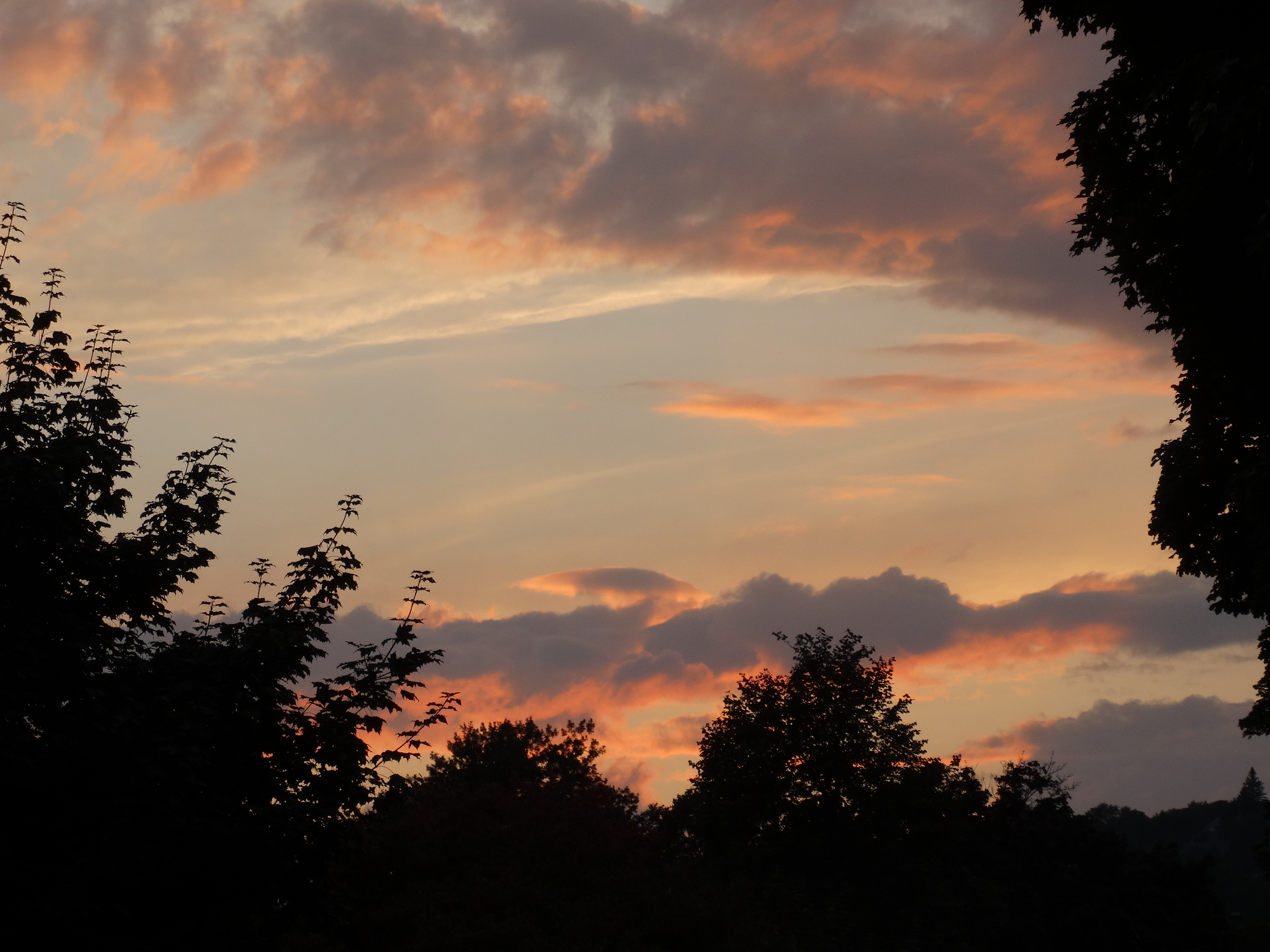
Another beautiful sunset, after the rain, over Westmount Park.
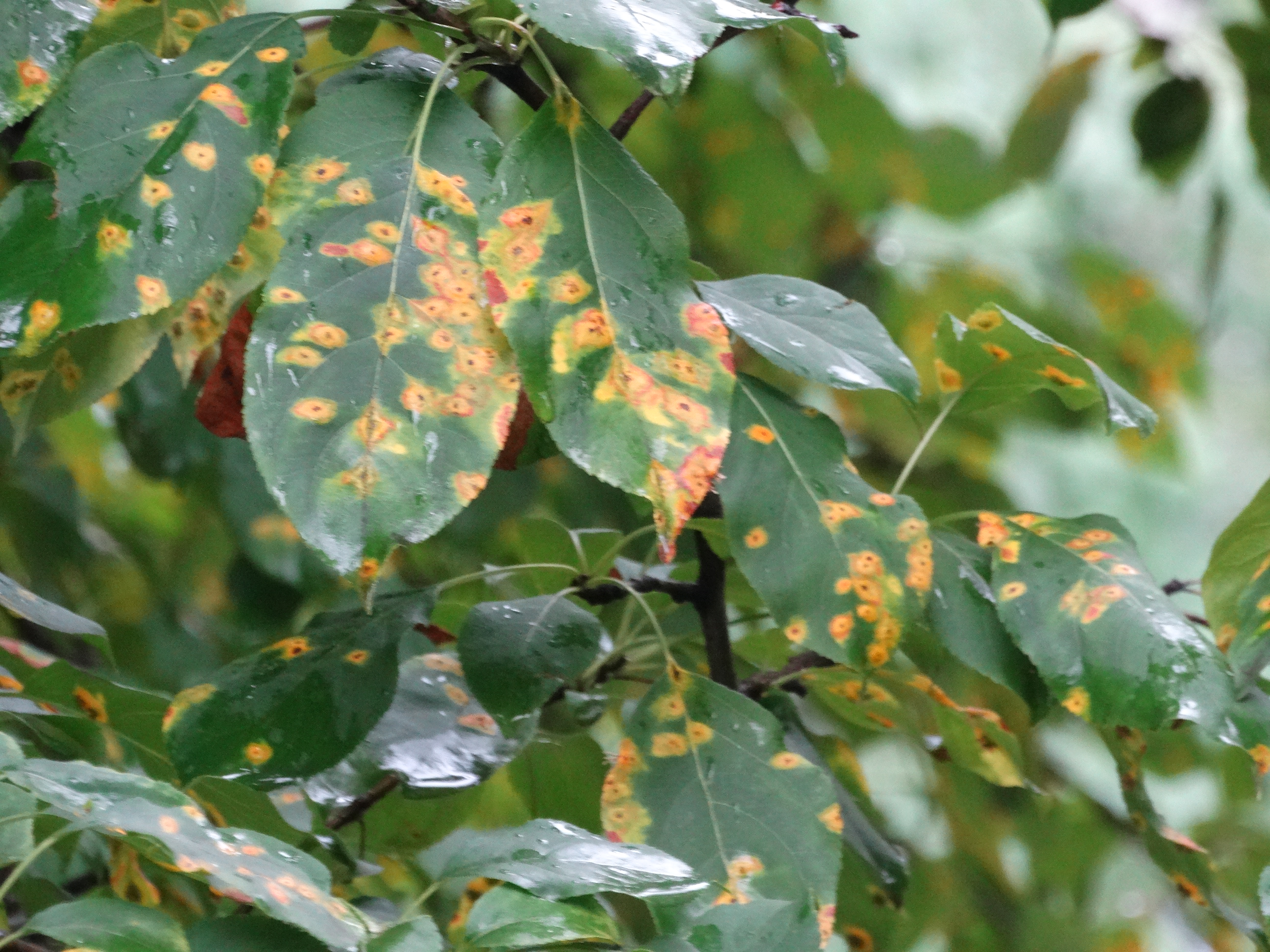
A Prunus padus, (Bird Cherry or Hackberry) near the lagoon. All the leaves seem to be infected with either the fungal Cherry leaf scorch or leaf spot (Apiognomonia erythrostoma or Blumeriella jaapii).
From: https://www.woodlandtrust.org.uk/learn/british-trees/native-trees/bird-cherry/
“Mythology and symbolism:
If placed at the door, the strong-smelling bark of the tree was said to ward off the plague.
How we use bird cherry:
Traditionally cherries were planted for their fruit and wood, which was used for making cask hoops and vine poles.
Bird cherry is lighter and more finely textured than wild cherry.
Threats:
Bird cherry is susceptible to bacterial cankers, which can disfigure and occasionally kill infected trees. Pruning at the wrong time of year can put trees at risk from silverleaf disease, which can also eventually kill the tree. Dieback can be caused by damage from the cherry black fly (Myzus cerasi).”

There were no ducks in the lagoon tonight; however, someone was enjoying the water with their dog.

A Mercedes-Benz GL450 branded (of course!) battery-powered toy car “driving” through the park. I wish someone had bought one of these for me when I was small.
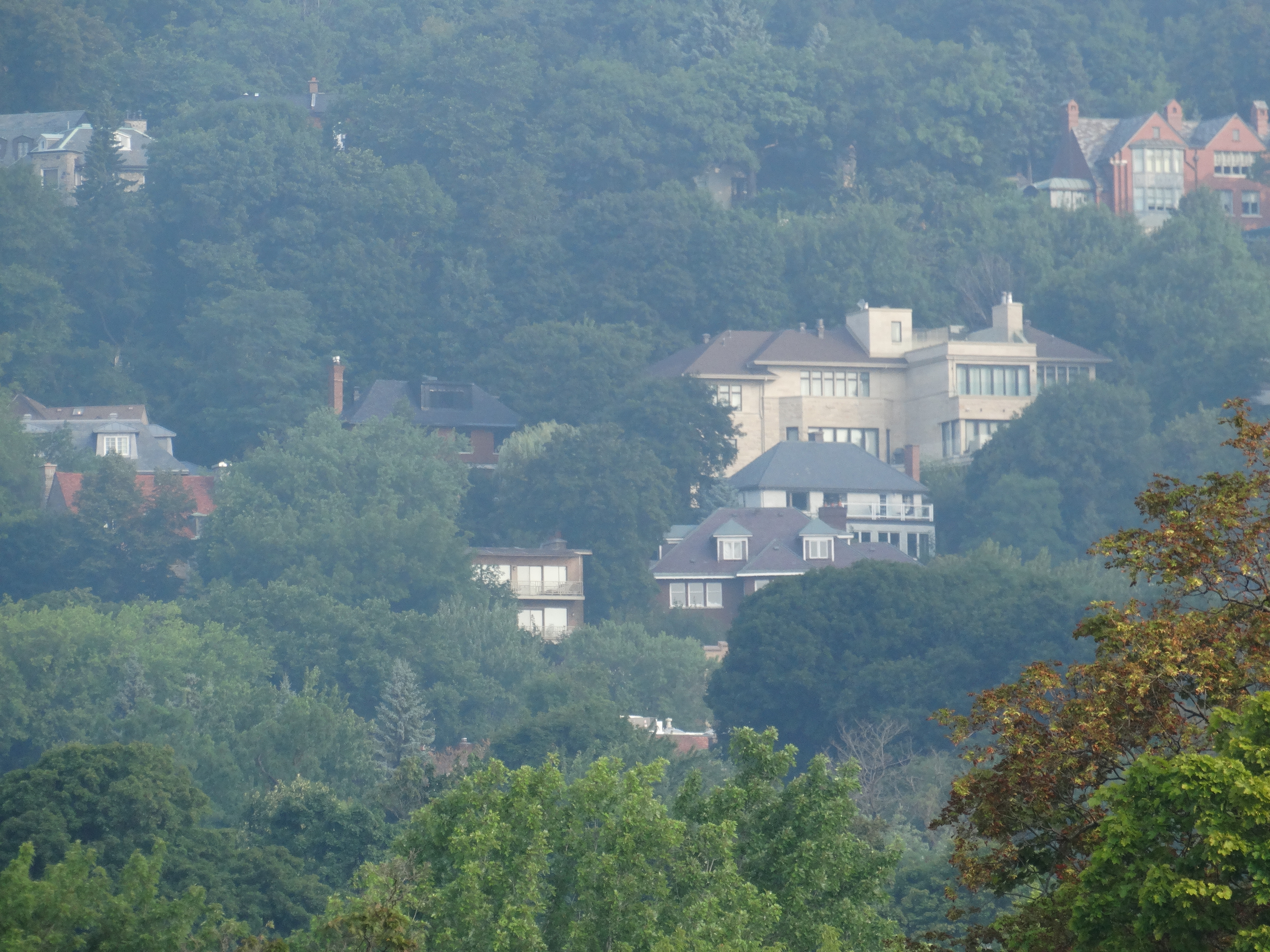
The summit, covered in mist, early in the morning.
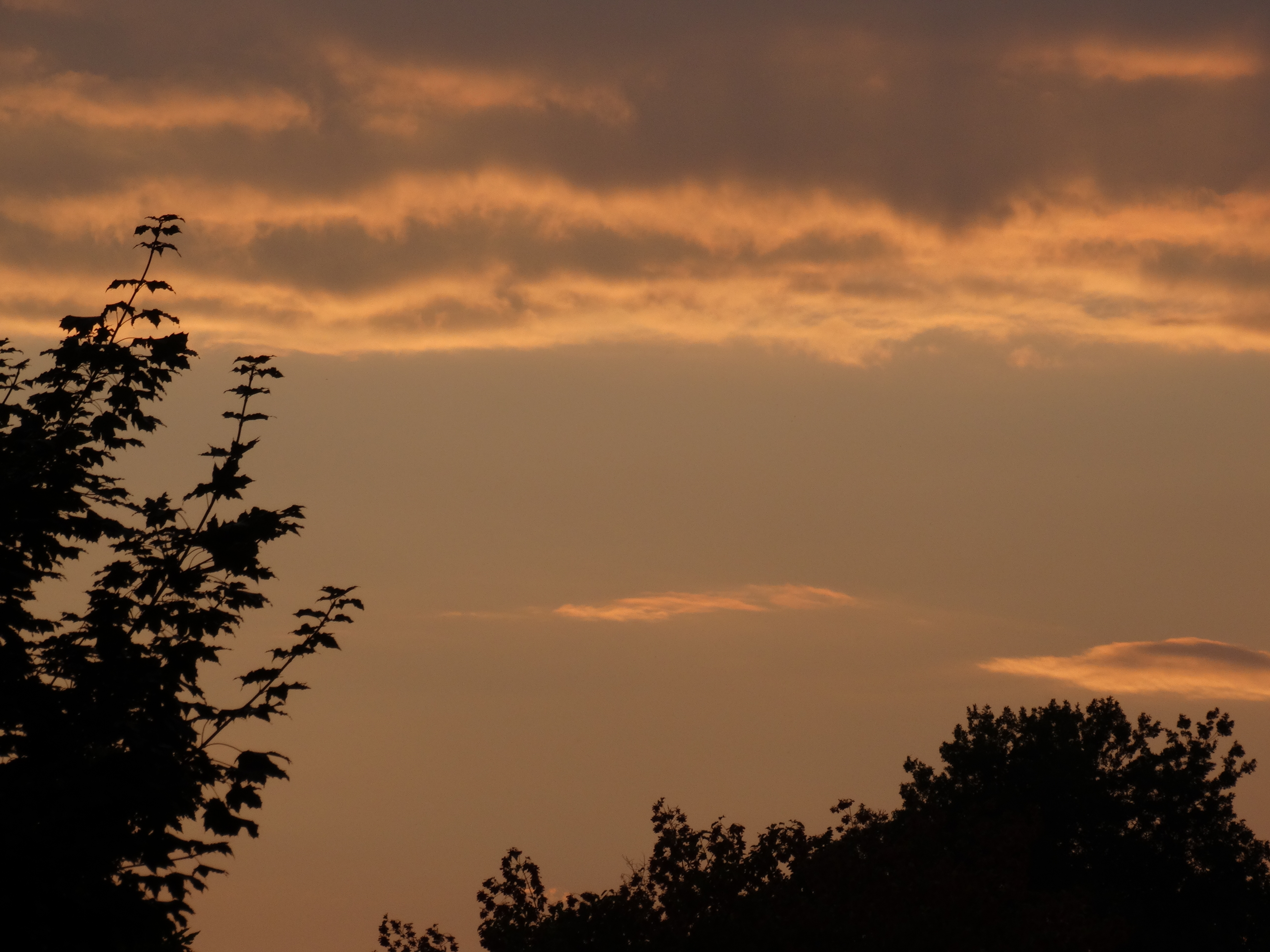
A beautiful summer sunset over the park.
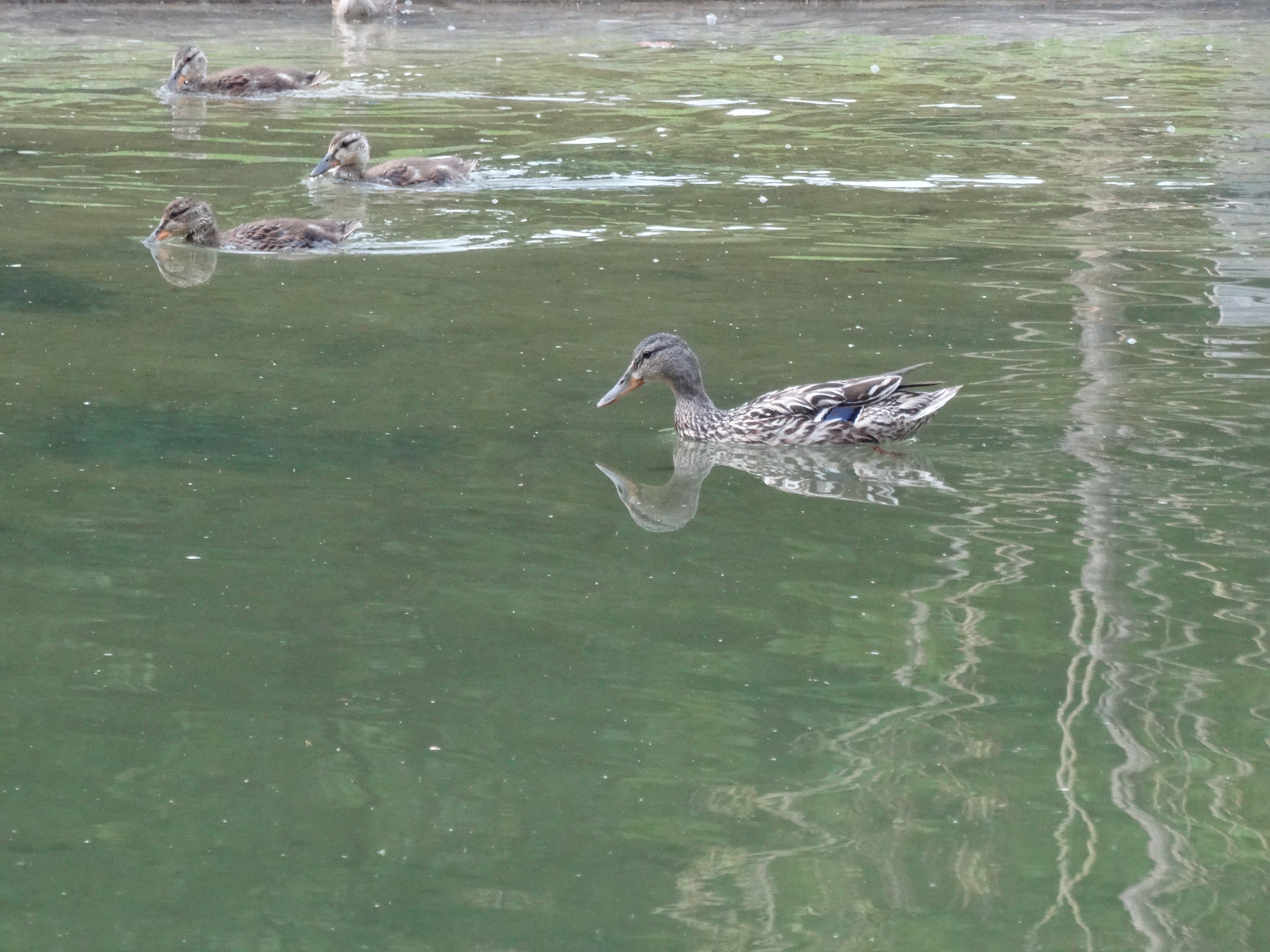
Yet another update on the ducklings. Even though they are getting bigger, the female Mallard still keeps a “close eye” on them. The female’s maternal instincts are really quite remarkable. (Where is the male?).
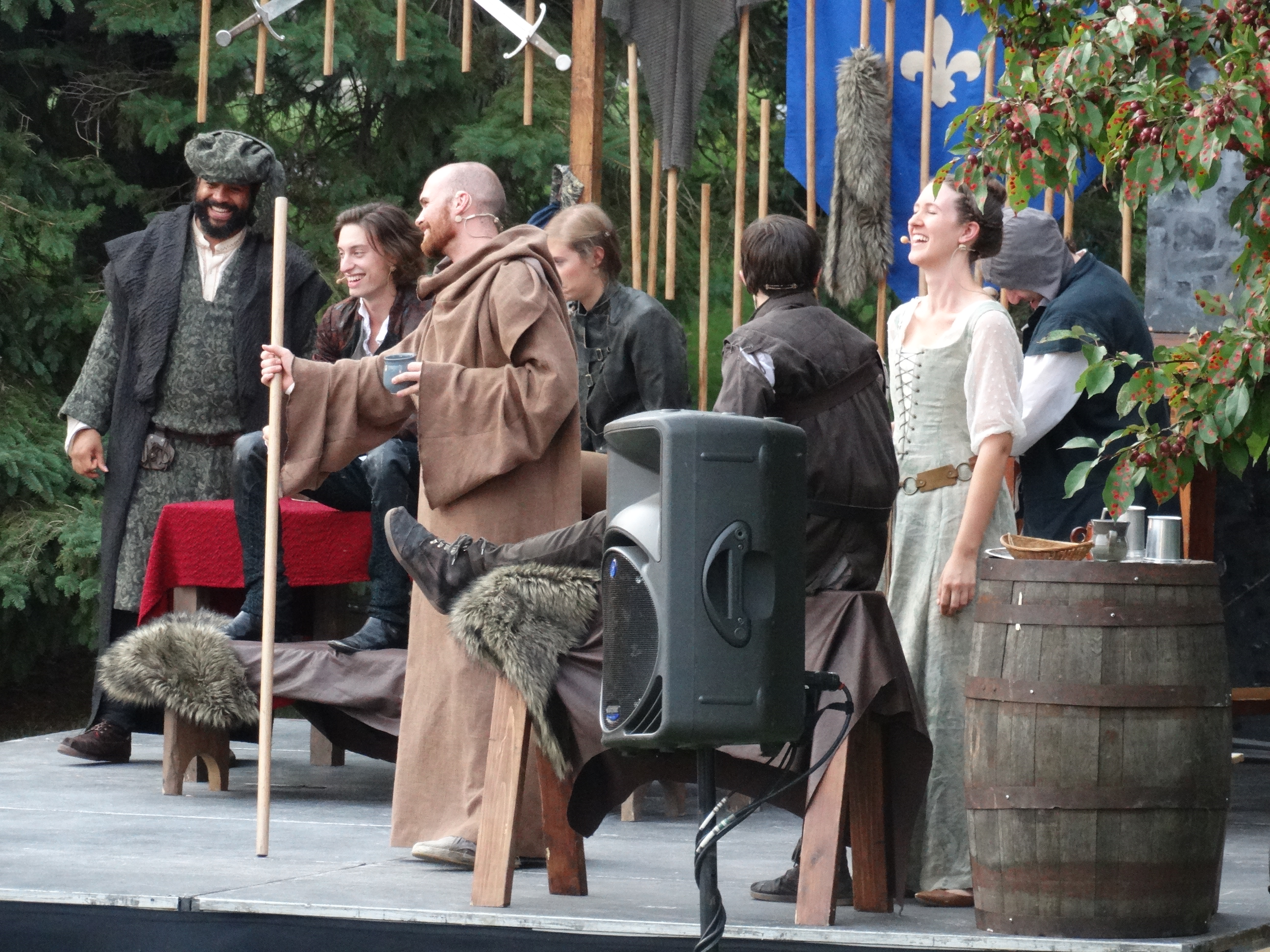
The final performance of Repercussion Theatre for the season in Westmount Park. This always strikes me as the beginning of the end of summer.
 Westmount Overlooked