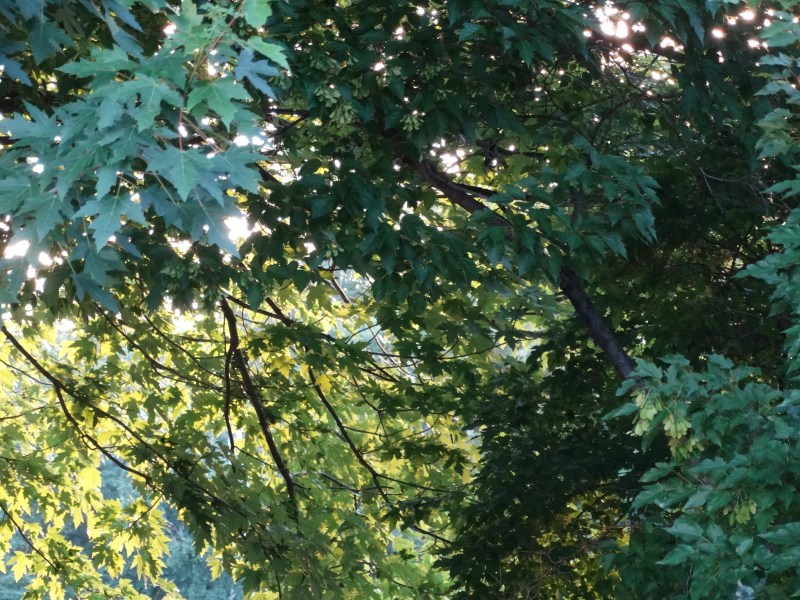
Sunset through the leaves in Westmount Park.
Sunset through the leaves in Westmount Park.
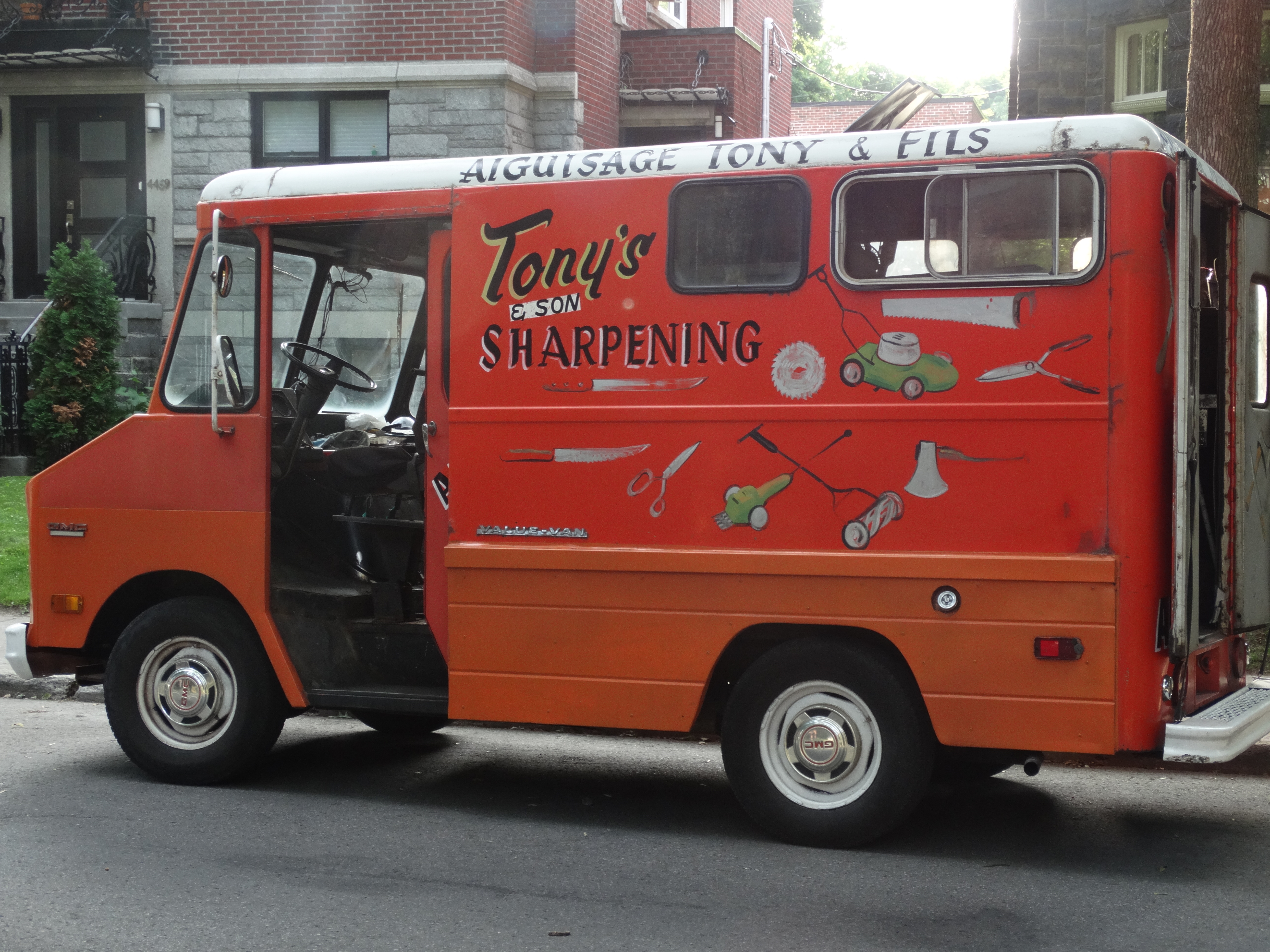
To me, this seems like a “throw back” to the 1950s. A red truck that slowly cruises the streets with its bell ringing. This particular truck was located near Melville Avenue.
I can imagine this business starting, many years ago, with people using a push cart, then a horse and wagon, finally ending up what it is today.
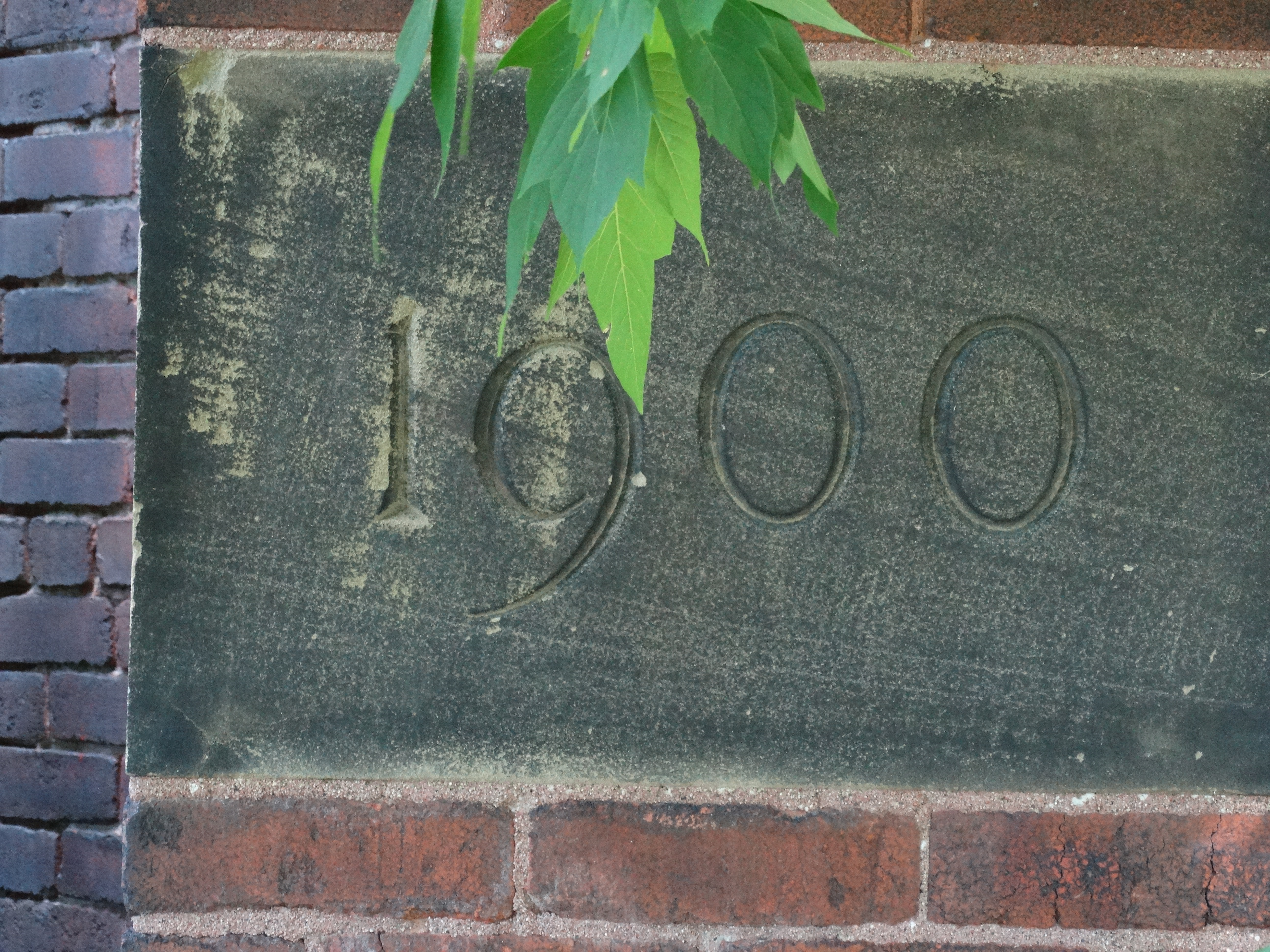
Corner stone for the Serbian Orthodox Church Holy Trinity on Melville Avenue. Formerly used as The Melville Presbyterian Church.
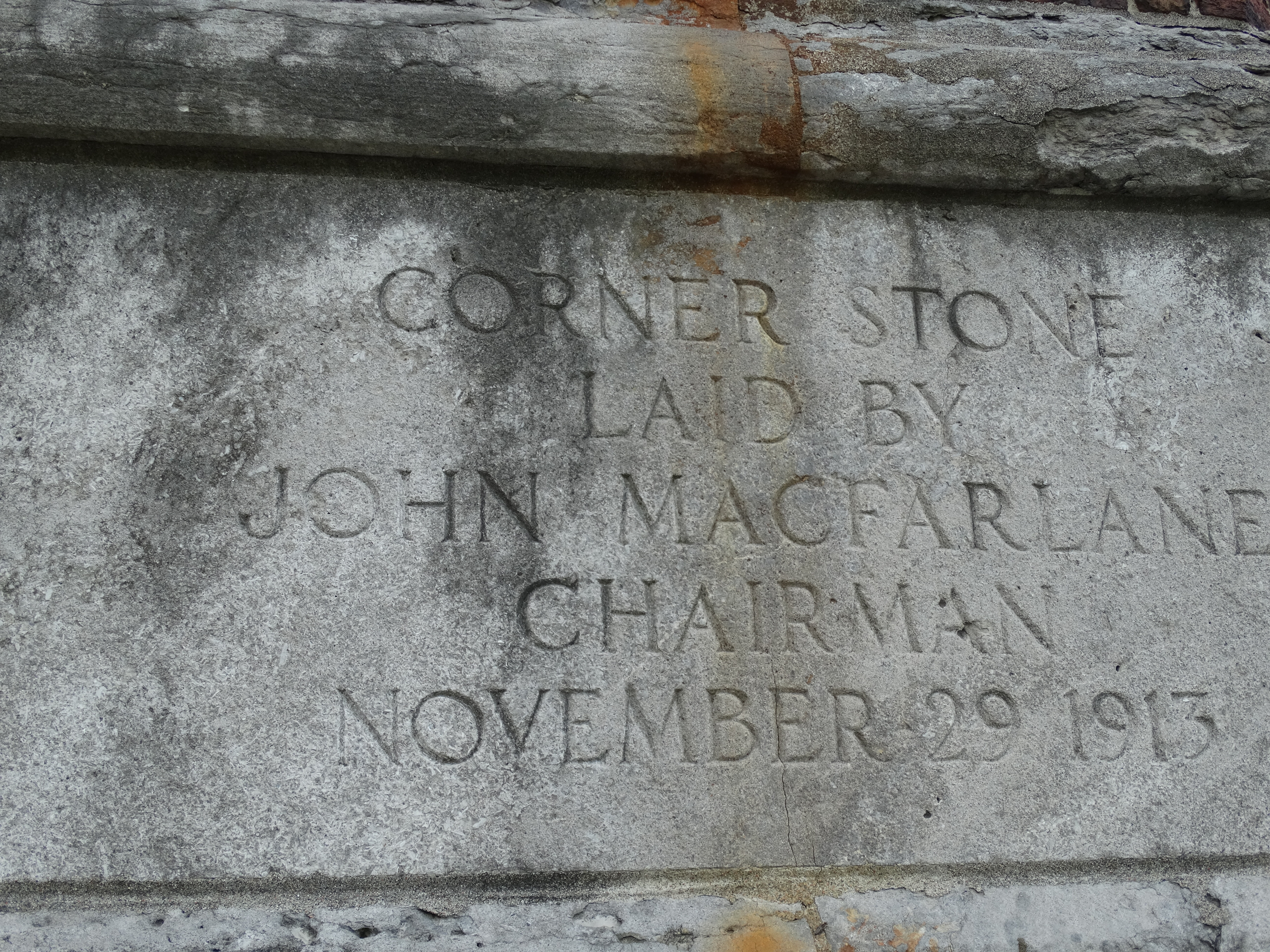
Westmount Park School’s corner stone. It is not really a “corner stone” in the strict sense of the word; it is located by the school’s front entrance.
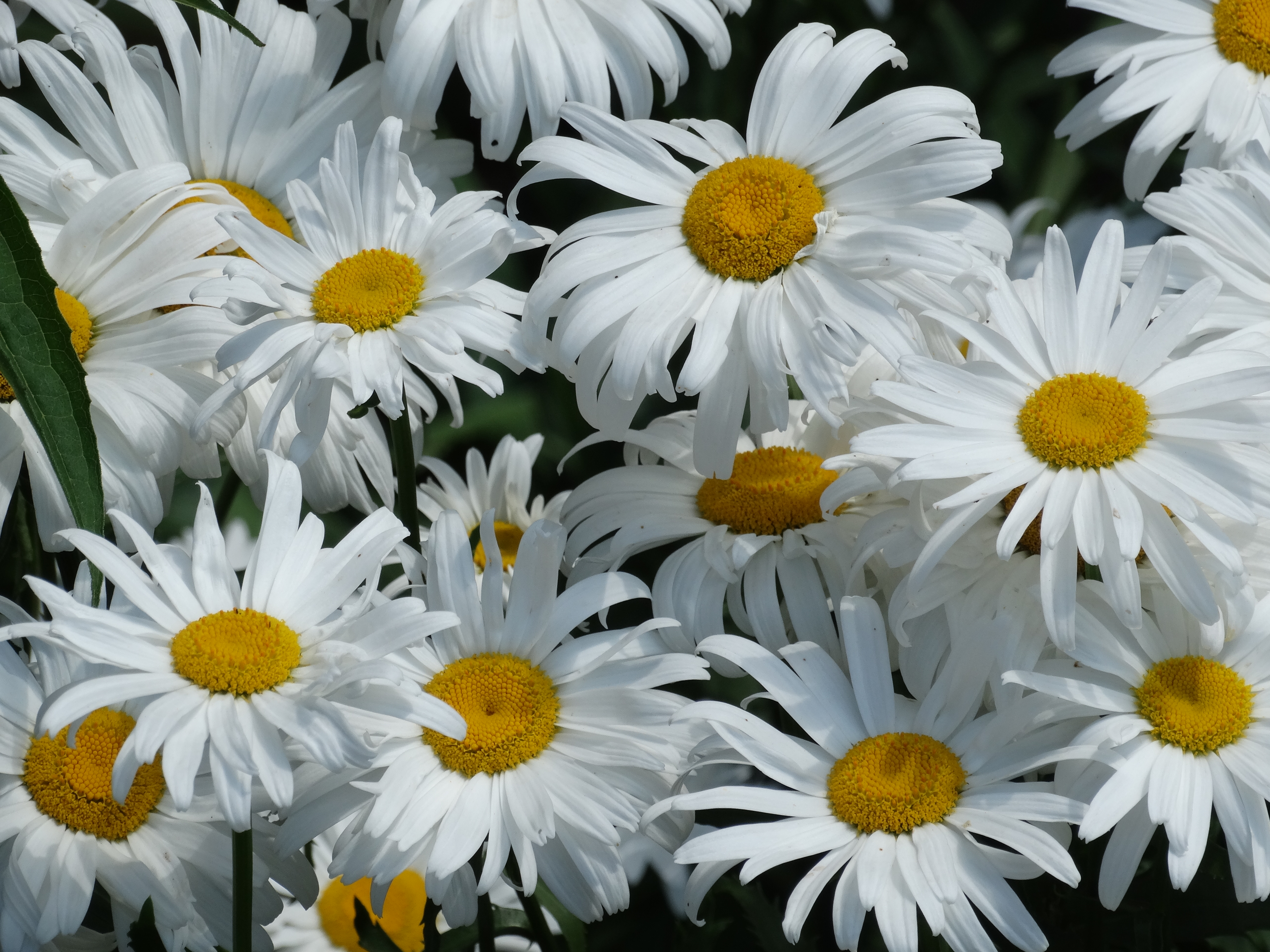
I couldn’t resist taking this picture of a “cheerful” patch of daises in a garden on Melville Avenue.
From Wikipedia:
“The name Leucanthemum derives from the Greek words λευκός – leukos (“white”) and ἄνθεμον – anthemon (“flower”).”

Relaxing, Zen-like, waterfall in the park.
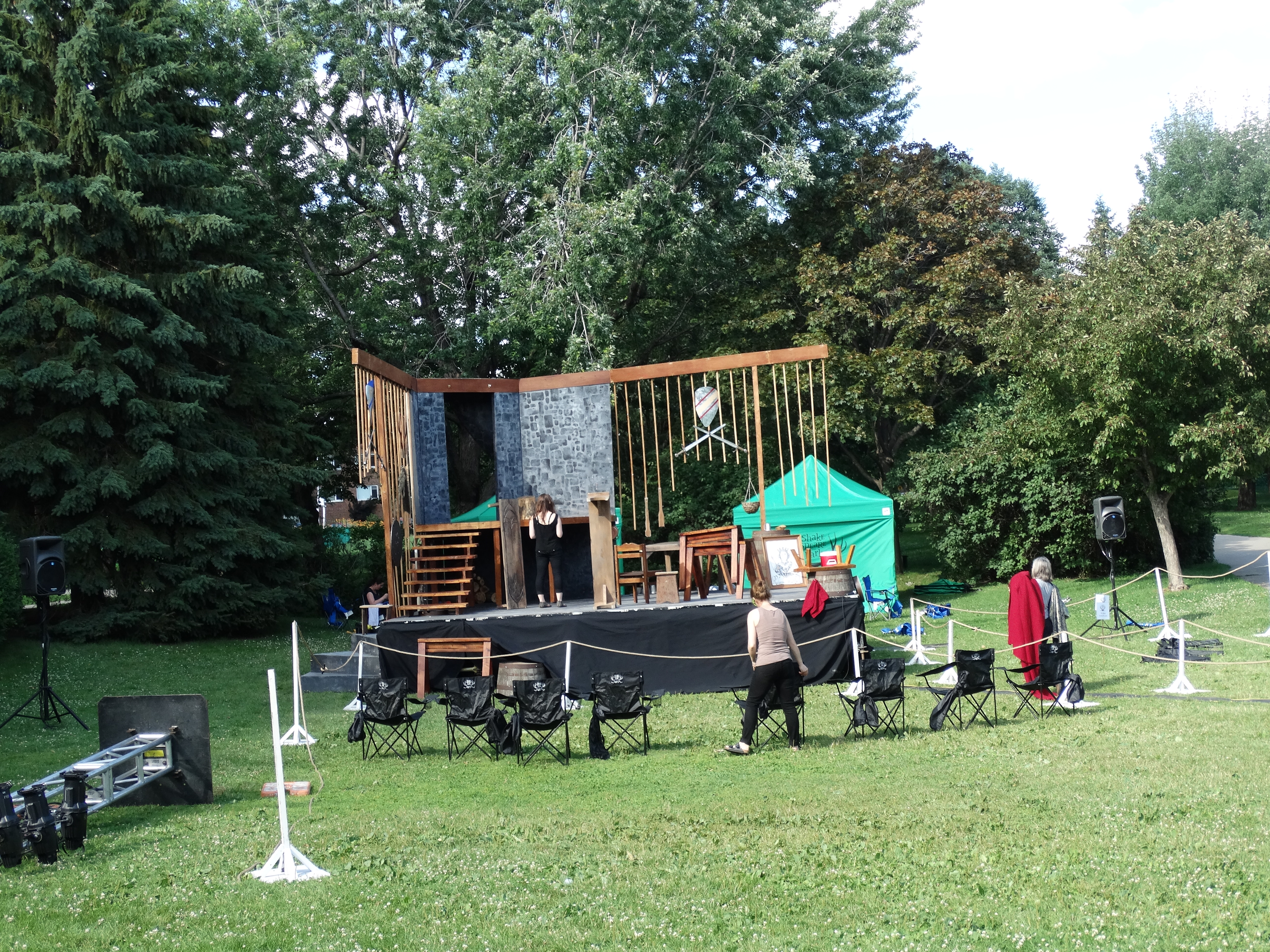
Assembling the stage for another summer performance. This has been a Westmount tradition since 1988.
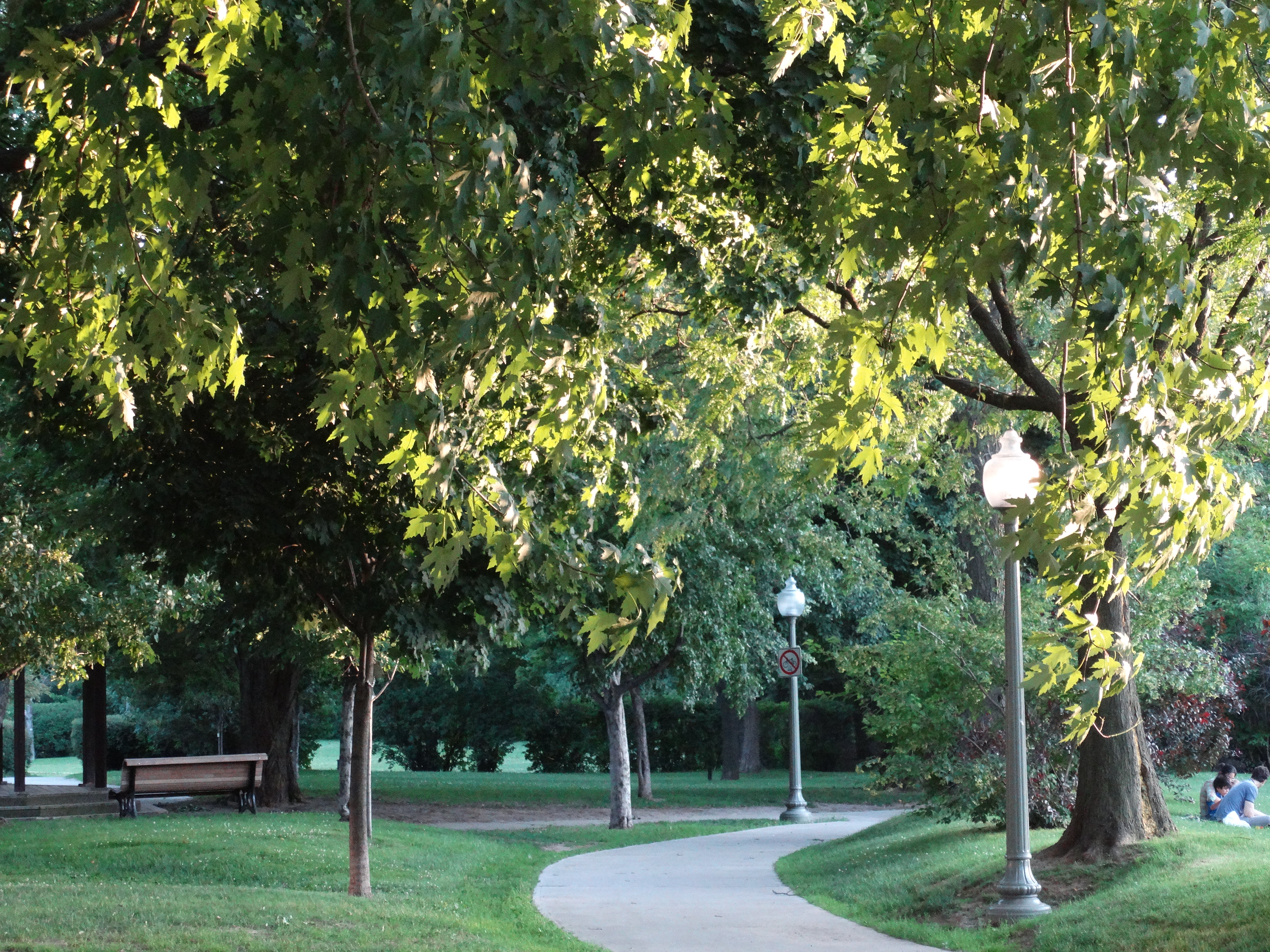
The setting sun reflecting off the park’s tree leaves.
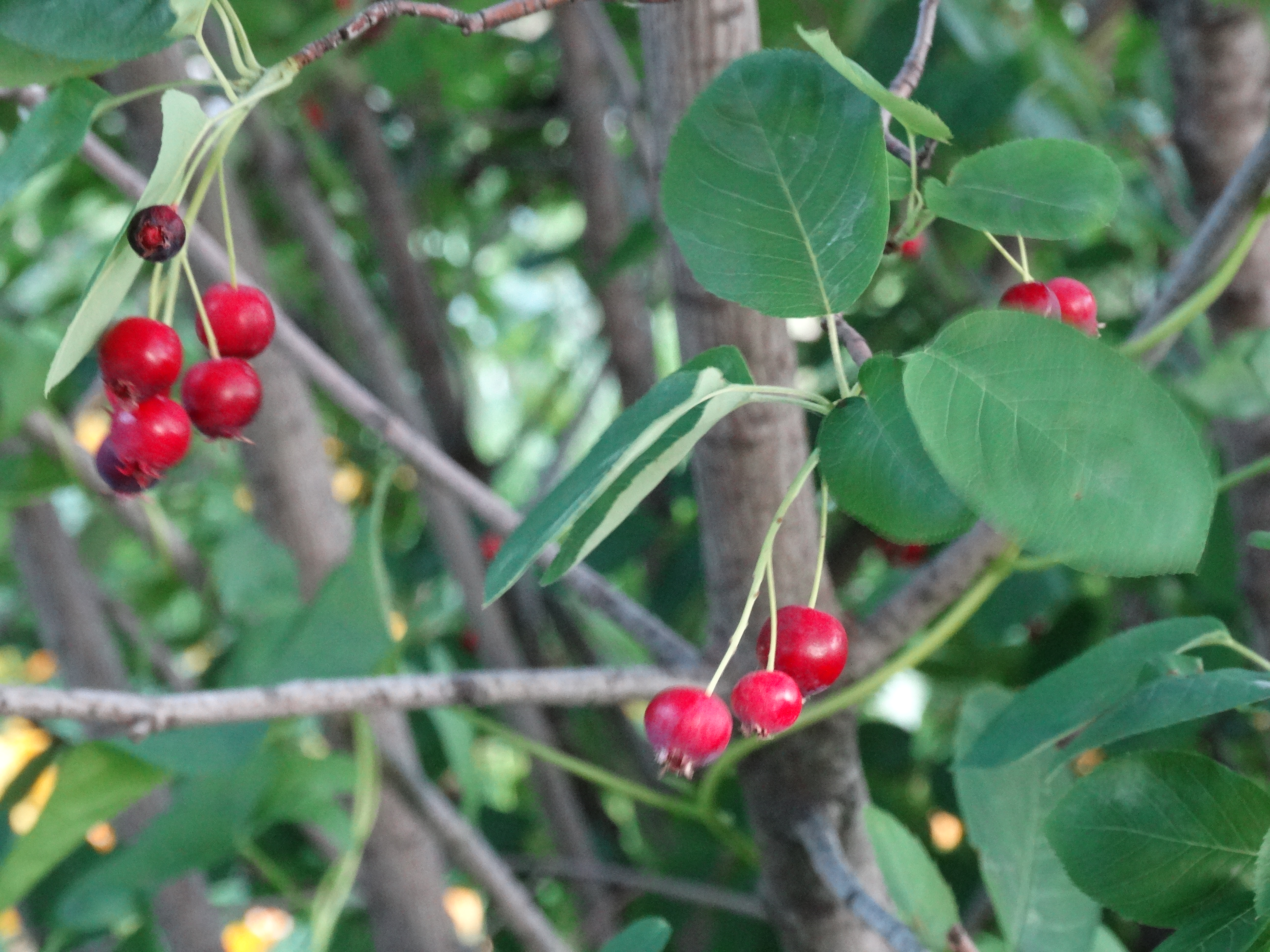
I have often seen people picking berries from these bushes; apparently they are edible.
(I don’t condone, in any way, ingesting these).
Speaking to a person collecting these berries the other evening, I was told the bush is called “Irga” in Russian.
A bit of research reveals several names for this bush:
From: http://www.bubblews.com/news/1058214-do-you-know-this-berry
“…. Serviceberry, Juneberry and Shadbush – English; Amelanchier – French; pero corvine – Italian; Gemeine (or Kanadische) Felsenbirne – German; cornijuelo – Spanish; irga kruglolistnaja (or kanadskaja) – Russian.”
From: http://www.laspilitas.com/nature-of-california/plants/amelanchier-alnifolia
“This Service Berry, Amelanchier alnifolia, is a very slow-growing, deciduous shrub to 10′, with edible blue berries 1/4″ across. This good wildlife plant ranges from North Dakota to southern California, is an attractive bush with an abundance of 1″ white flowers, and the fruits look something like a blueberry.
The fruit of this plant was important as a food source for the native American tribes that lived within its range.
Looks and tastes like a blueberry.”
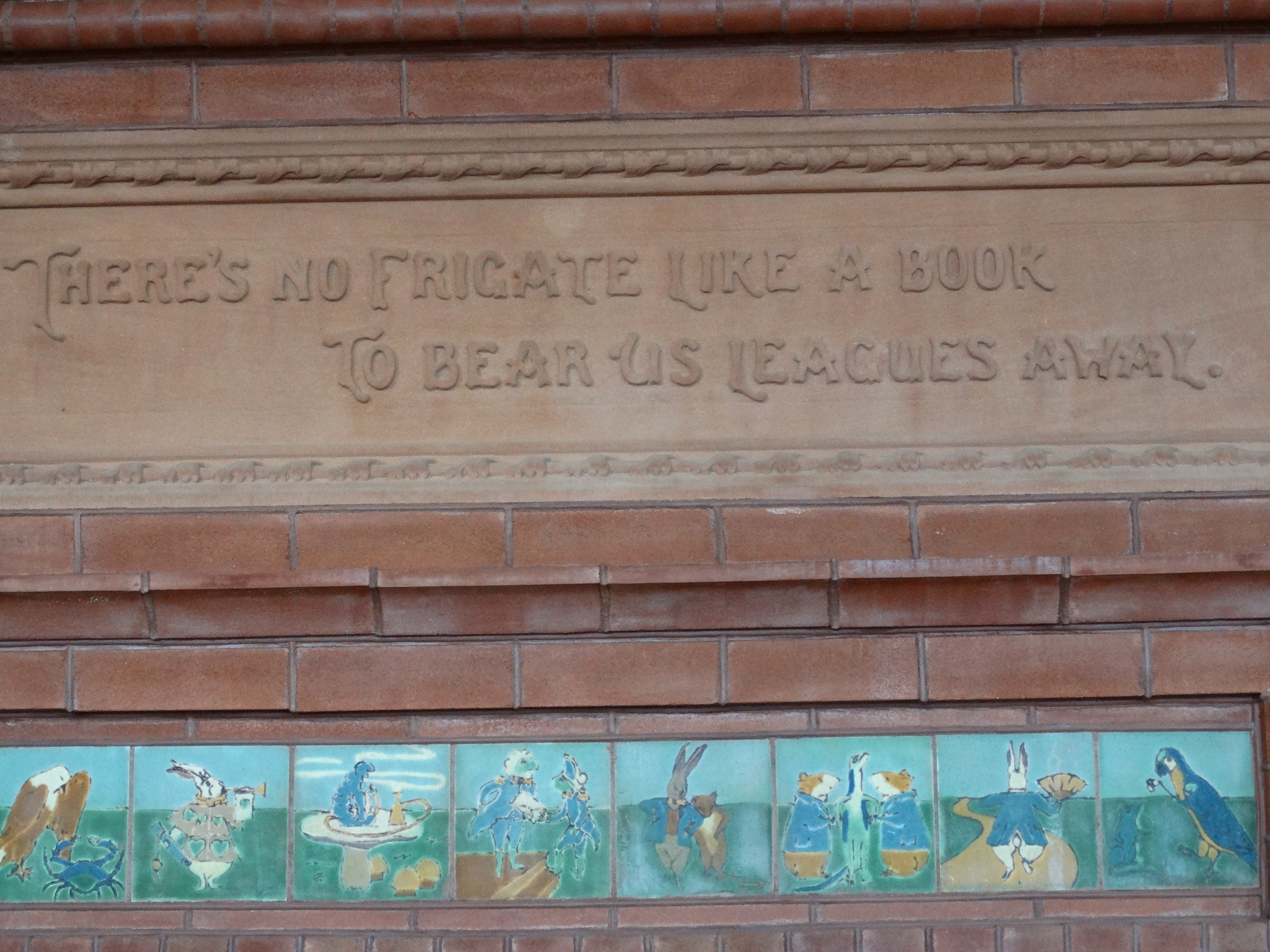
A beautifully restored fireplace, from the former children’s library, showing the detail of the cladding and undermantel.
The fireplace is located in one of the library’s rooms that can be booked for meetings.
 Westmount Overlooked