
The Red Maple (Acer rubrum) by the park’s lagoon showing its early autumn colours. It appears to be the only Red Maple planted in the park.
The Red Maple (Acer rubrum) by the park’s lagoon showing its early autumn colours. It appears to be the only Red Maple planted in the park.
A version of this article appeared in the Westmount Independent, October 14th. 2014
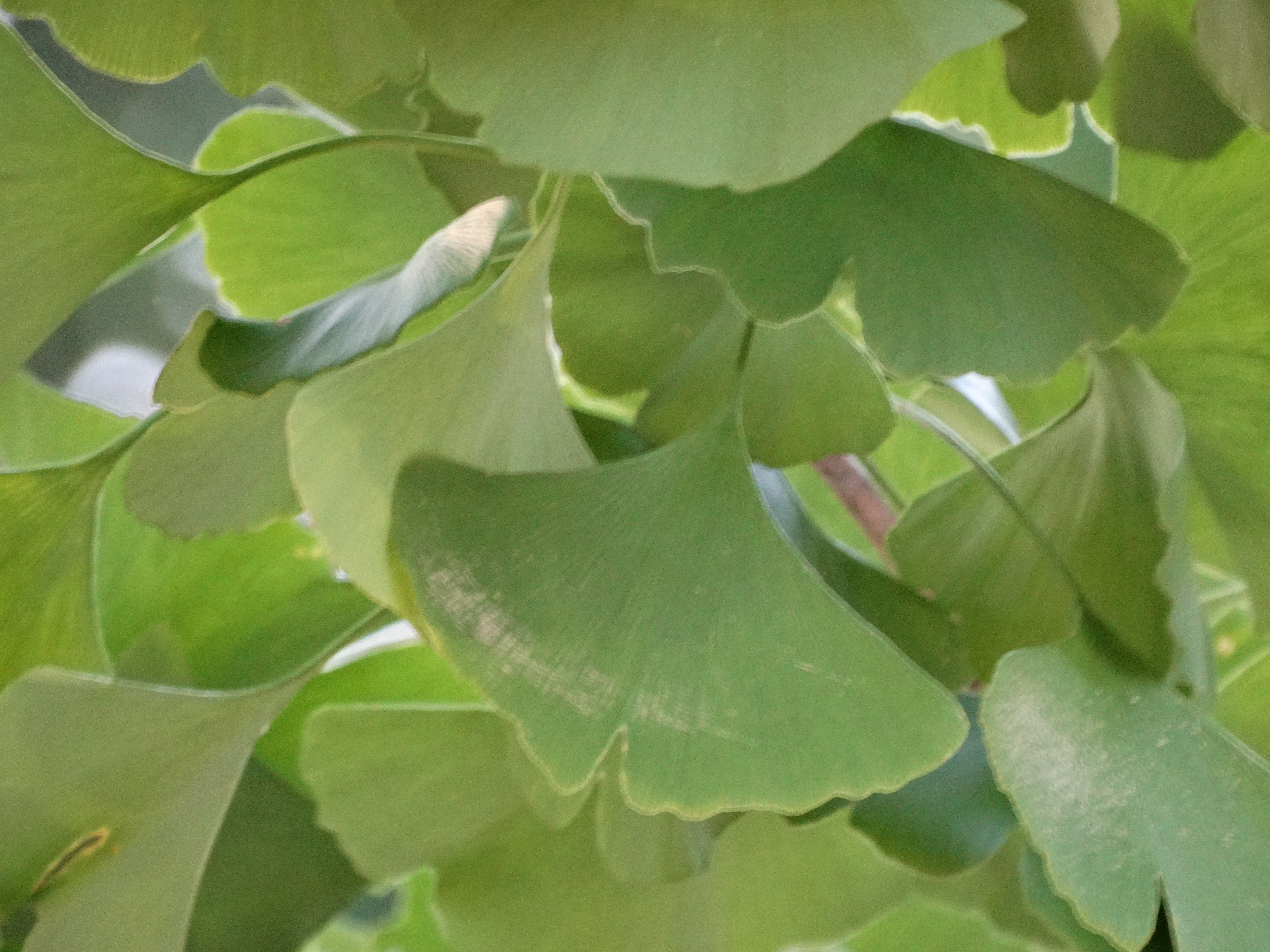
Westmount Park’s Living Fossils: Ginkgo bilobas
There are two genera of trees that most people can readily recognize: the Acers (maples) and the Ginkgoales (ginkgos).
The former have simple leaves, with multiple lobes and veins that radiate from the leaf’s center. The latter have distinctive fan-shaped leaves.
Maples comprise over 120 species, ginkgos; however, are unique in that they have no other living relatives.
There are several ginkgos growing in Westmount Park – near the central garden and directly west of the gazebo.
Next time you encounter these trees, pause and reflect that what you are seeing is a species that has attained “evolutionary immortality”.
The botanist Peter Crane writes that the gingko is unique in that “there is no other living tree with a prehistory so intertwined with that of our planet.” In fact, these are trees that time forgot!
This is a tree that has remained unchanged, for hundreds of millions of years, predating the dinosaurs, and has a direct reproductive link to the Cycads – an ancient group of plants (that existed before flowering plants) that thrived in the Permian Period that lasted 299 to 251 million years ago.
Gingkgos were flourishing before the Atlantic Ocean was formed by the division, and drifting apart, of Pangaea which eventually formed our current continents.
The great ice ages that led to human evolution pushed the species to near extinction and except in a few remote areas in southern China.
Interestingly, their sharing of the planet with humans saved the species: the gingko became an integral part of Buddhism, Confucianism and Daoism.
The tree is also known as the “bearer of hope”.
In August 6 1945, six gingko trees survived the atomic blast at Hiroshima; they were located 1.1 kilometers from the blast’s epicenter. They are still growing to this day.
As historian Jill Jonnes writes: ”Indeed, should the human race succeed in wiping itself out over the course of the next few centuries, we can take comfort in the knowledge that the ginkgo tree will survive.”

A beautiful view of “Upper Westmount”, early this morning, from one of the park’s soccer fields.

Fall colours in the park’s lagoon during an early morning walk by the lagoon.
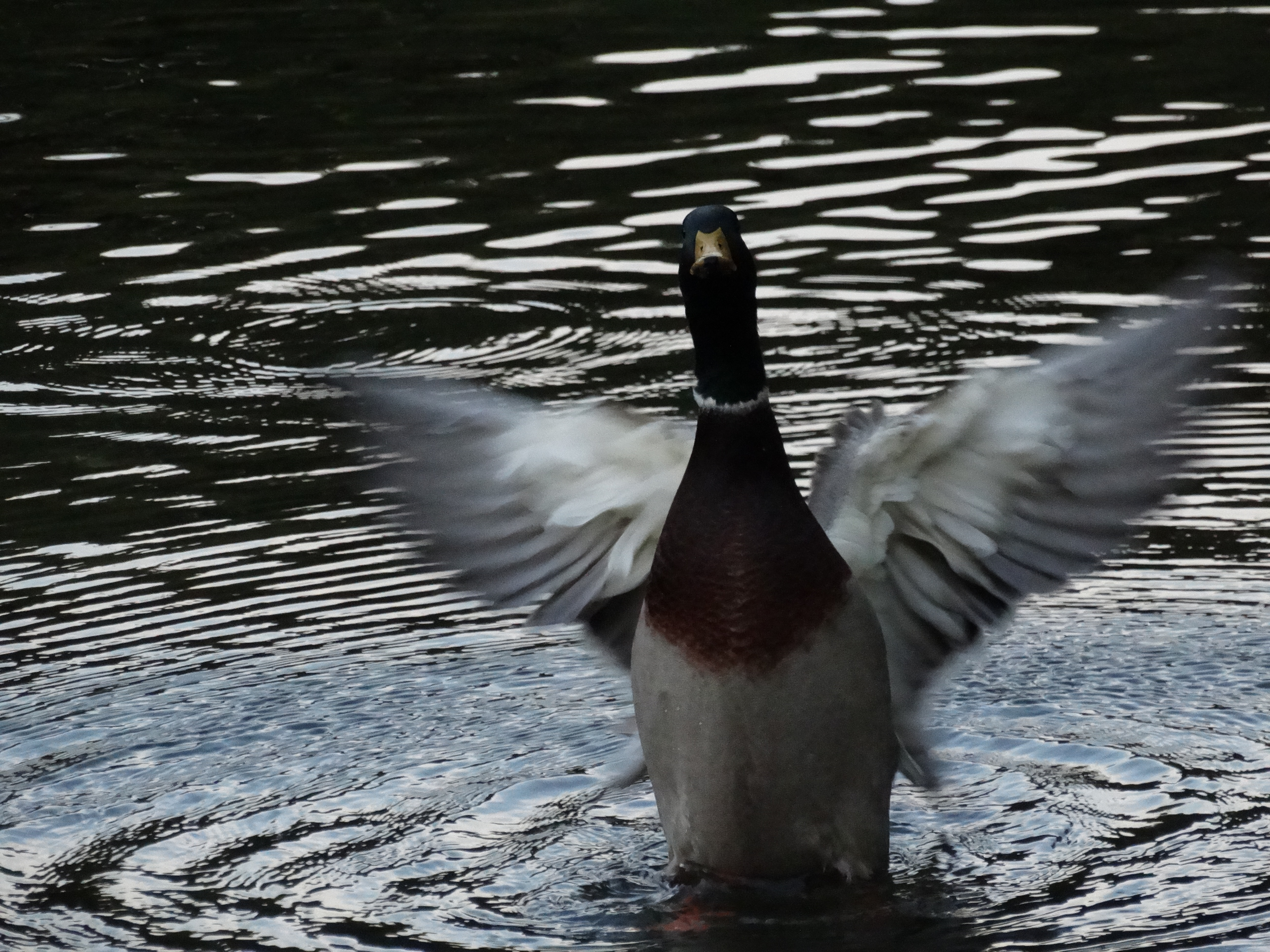
The Mallard ducks are still in the park’s lagoon. This male managed to “pose” for this picture.
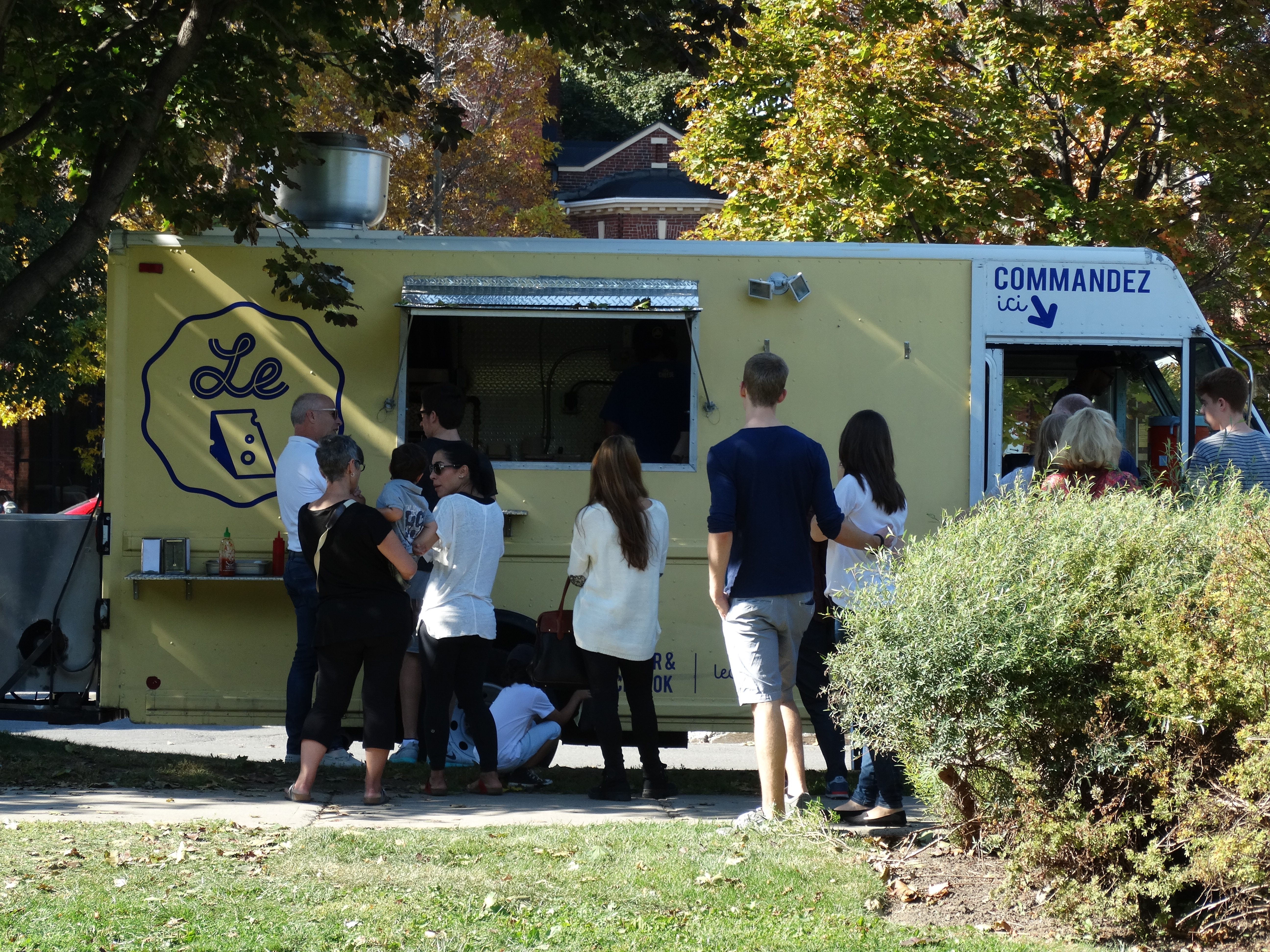
Ever since the City of Montreal (finally) allowed food trucks on their streets, they never appeared within Westmount’s city limits.
Today, this food truck was doing a “good business” serving patrons next to the Westmount Public Library.
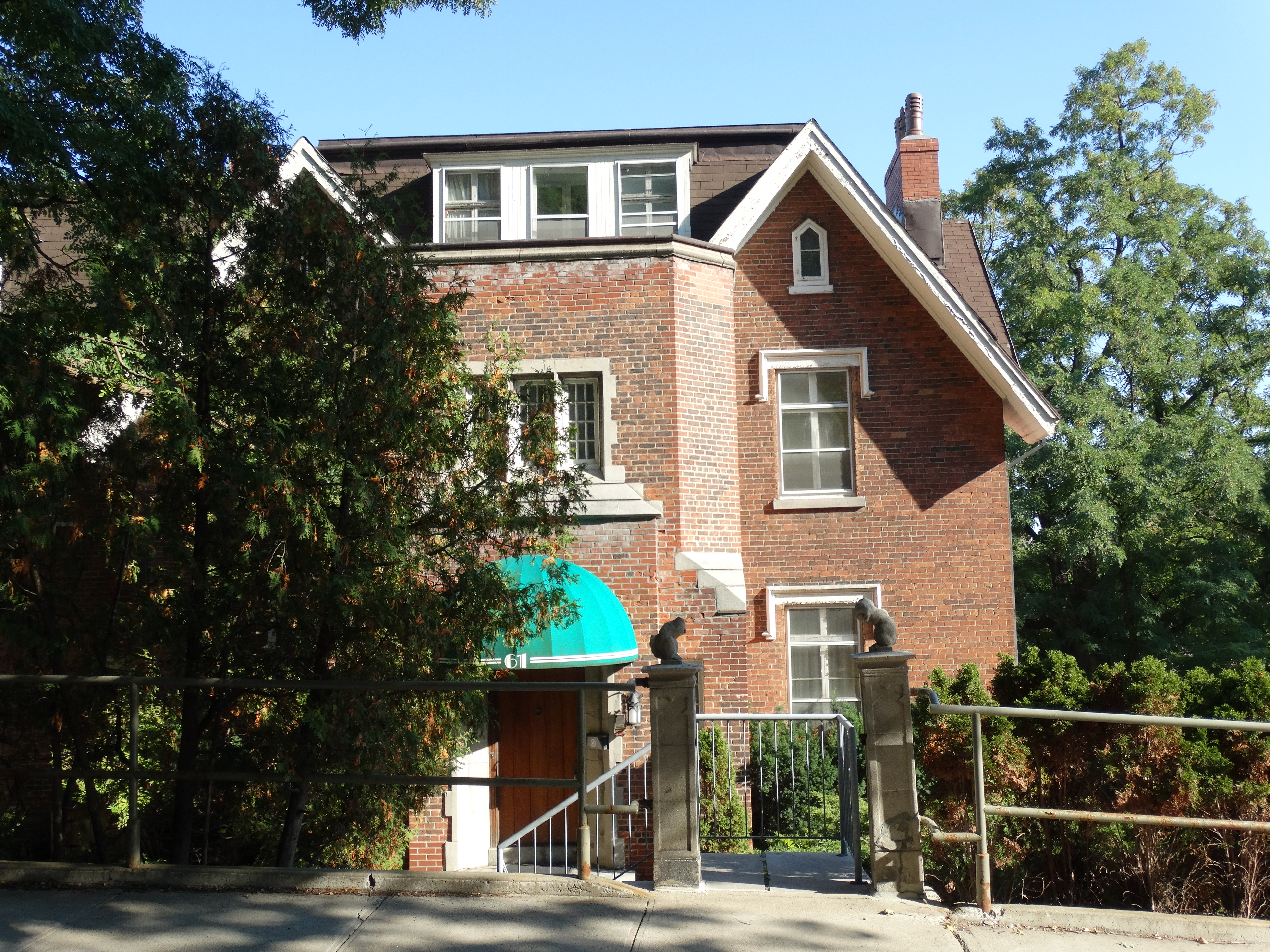
Andrew Rutherford, William Rutherford and Sons (1900).
From:
http://rhymeswithfyfe.blogspot.ca/2013/07/obituary-for-william-rutherford-jr.html
“From the Montreal Gazette, February 29, 1932. Page 4.
“WESTMOUNT LOSES PROMINENT CITIZEN IN W. RUTHERFORD / Former Mayor and Alderman of Suburban City Dies in 68th Year / LEADING INDUSTRIALIST / Was Director of Lumber Business Bearing Family Name–Had Various Sporting Associations.
Over the city hall of Westmount a flag flew at half mast yesterday. It signified that the municipality is mourning one of its most distinguished sons–William Rutherford, ex-alderman, former mayor, and widely known business man, who died on Saturday evening at his home, 458 Mount Stephen avenue. He was 67 years of age and had been ill for a long time.
Always interested in civic affairs, Mr. Rutherford was elected by acclamation to the highest post the municipality could offer, that of chief magistrate. He occupied the mayoral chair for the term of 1911-12 and previous to that had been an alderman for three years.
His business activities were centred in the Rutherford Lumber Company, formerly known as the William Rutherford and Sons, Company, Limited. This firm was founded by Mr. Rutherford’s father. At the time of his death he was a director of this firm having served for many years as treasurer.“
N. W. Trenholme, Q.C., M.A., D.C.L., advocate (1900). McGill University’s first full-time dean in the Faculty of Law.
McLaren N. Trenholme, B.A. (1900).
H. A. Hutchins, Stephens & Hutchins (1900).
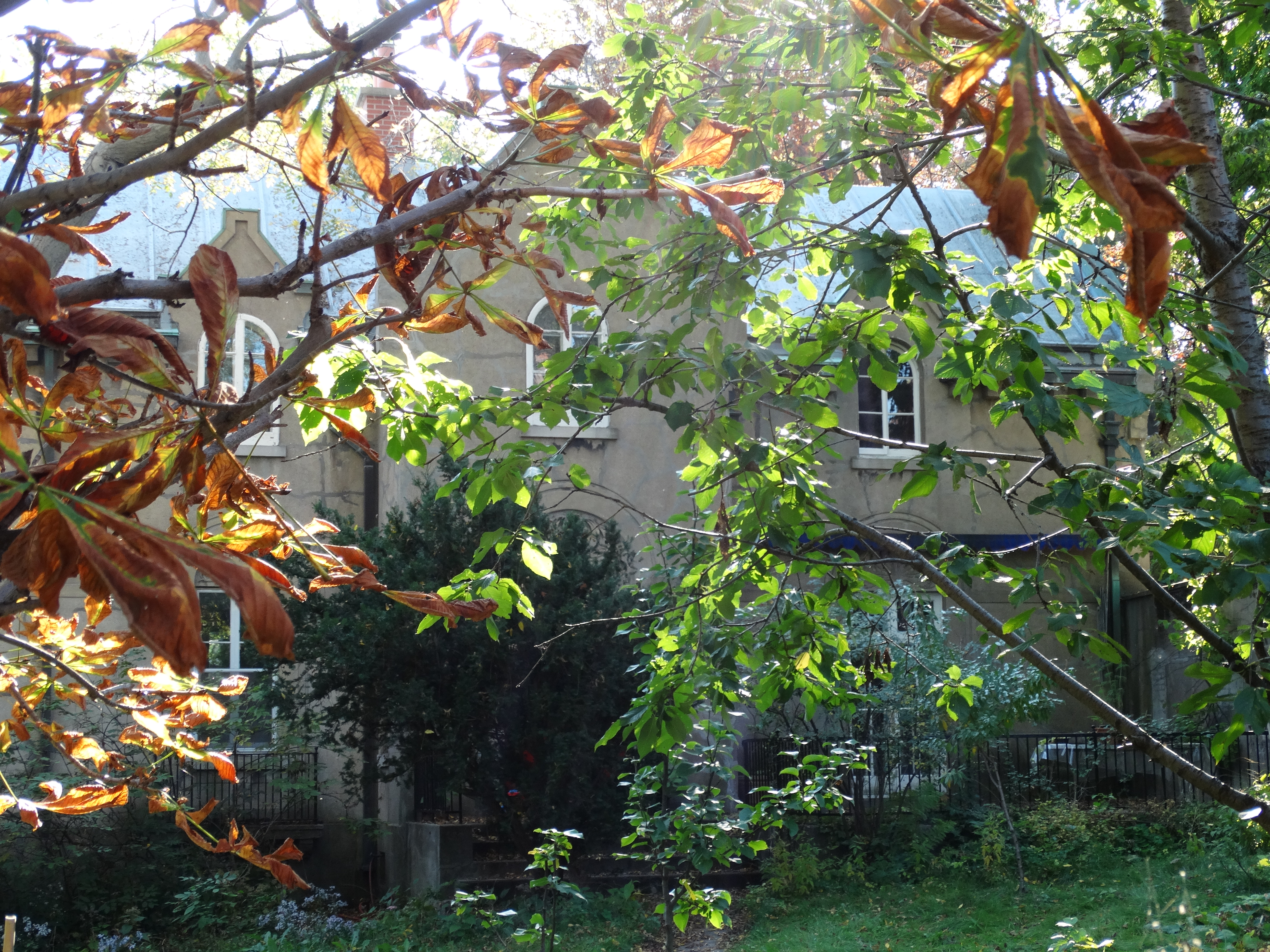
George A. Kohl, B. & S. H. Thompson (1900) – Hardware retailer specializing in the importing of American steel. The company was founded in 1790 in Birmingham England by the Chance family.
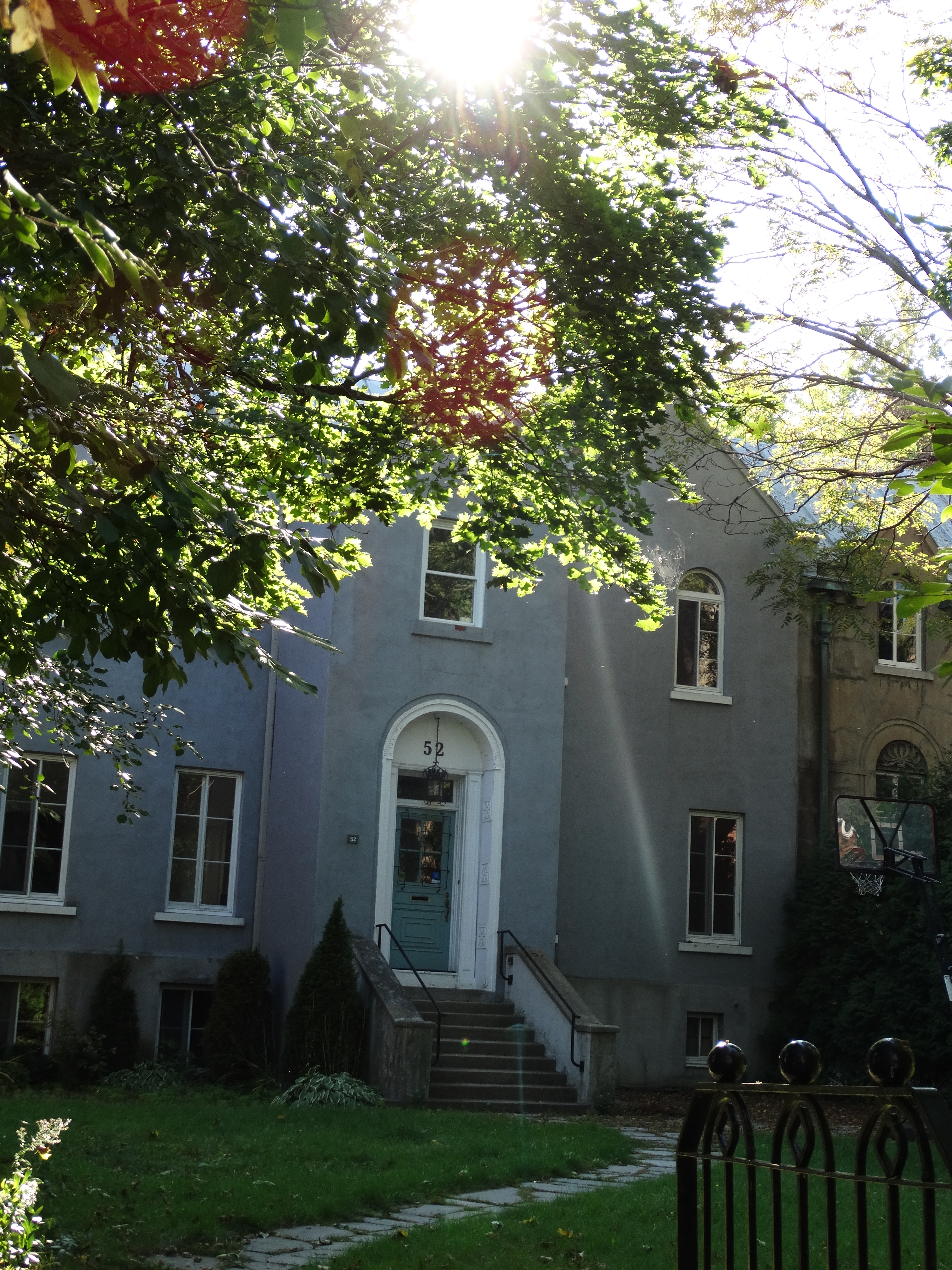
George E. Mason, paymaster Grand Trunk Railway (1900).
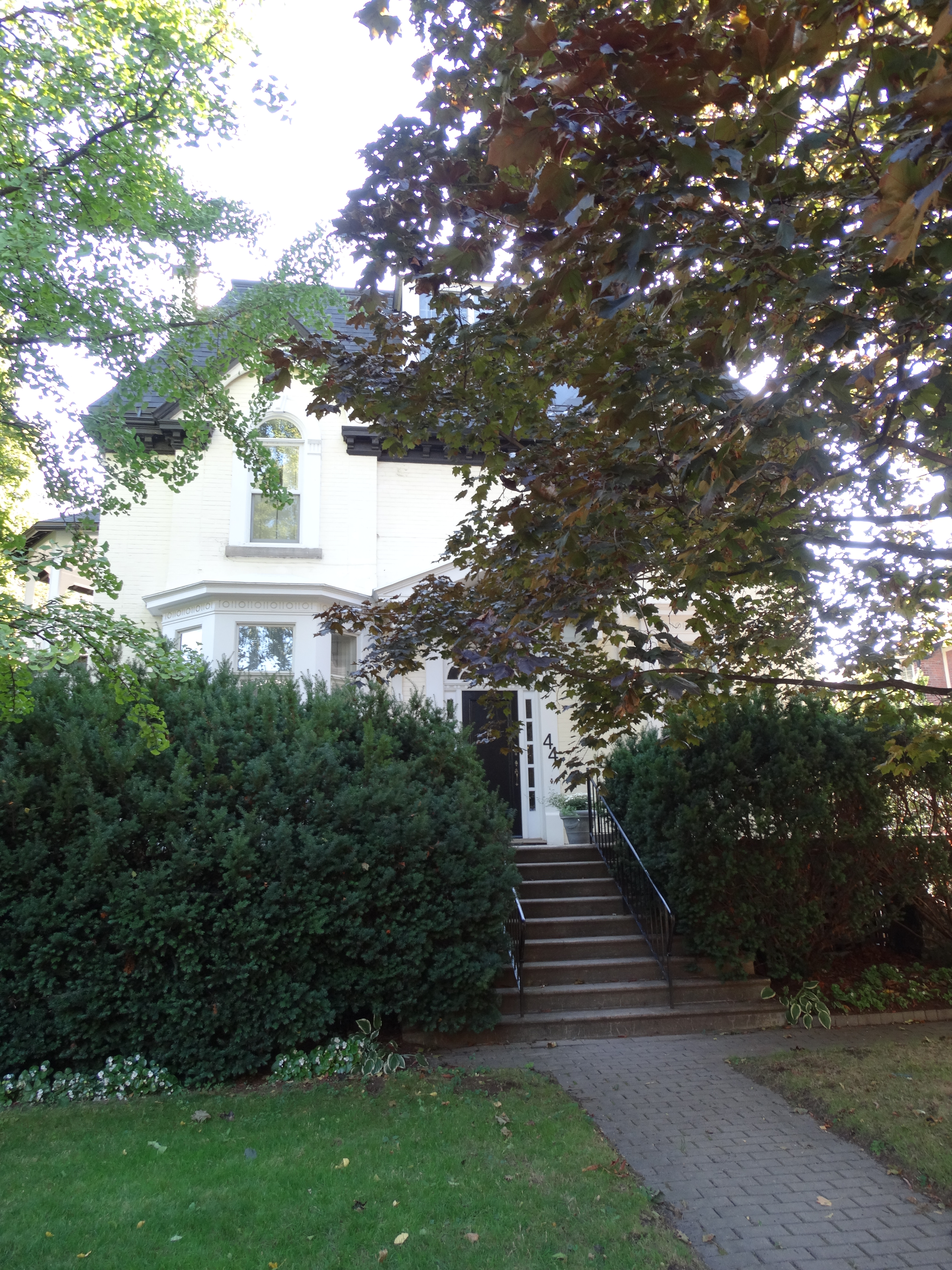
Buck A. Chaffee, Canada Ry. News Company (1900).
Arthur Lyman, Lyman Sons & Co. (1900).
From: http://www.biographi.ca/en/bio/lyman_benjamin_10E.html
“The main operations of the firm as chemists and druggists were located on St Paul Street, where extensive premises were erected in 1855 (burnt 1888). Both wholesale and retail operations were carried on until about confederation, when the retail side was dropped. Manufacturing of pharmaceutical products, linseed oil, paints, and oils took place at a separate location on the south side of the Lachine Canal basin. These products won medals at several exhibitions including those in Paris in 1855 and 1878. In addition the Lymans were importers of drugs, seeds, oils, dye stuffs, and painters’ colours.”

