
Date marker, in red sandstone, on Lansdowne Avenue.
Date marker, in red sandstone, on Lansdowne Avenue.
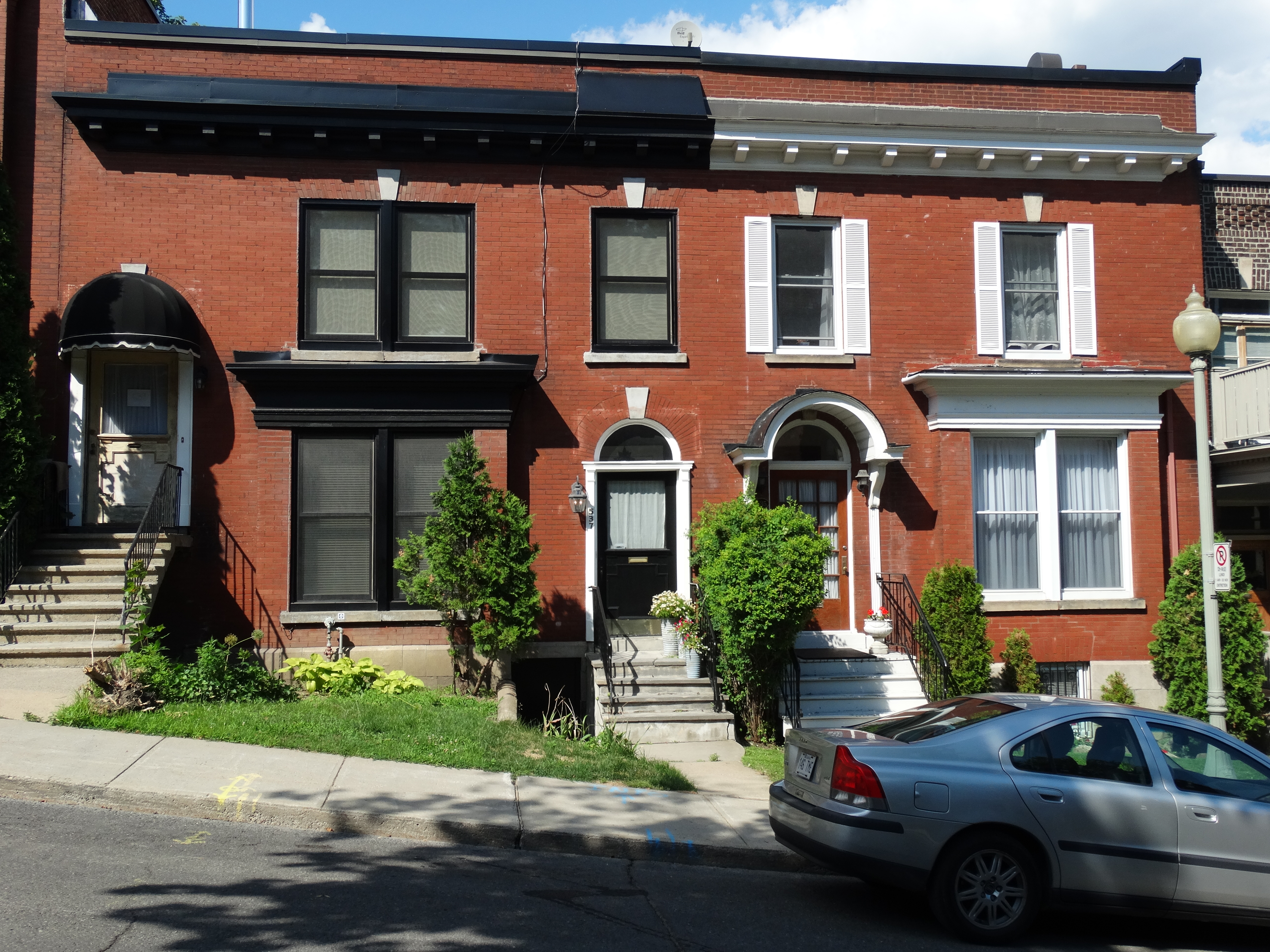
Edward Teghe – Customs Examining Warehouse (1897), could this have been the origin of this building?
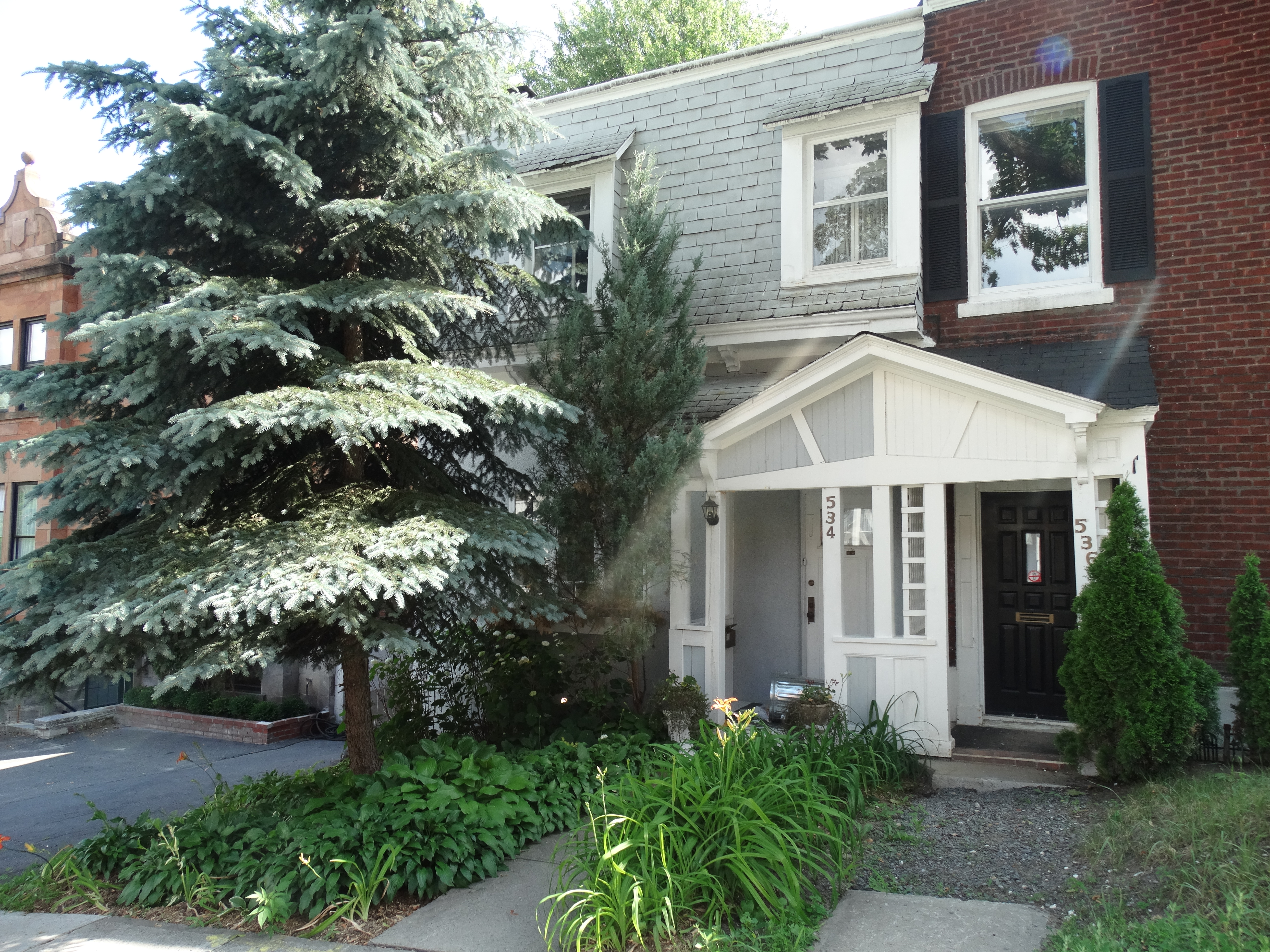
C. N. Blakeley – Dominion Steam Ship Company (1897) – Sailings from Montreal to Liverpool.
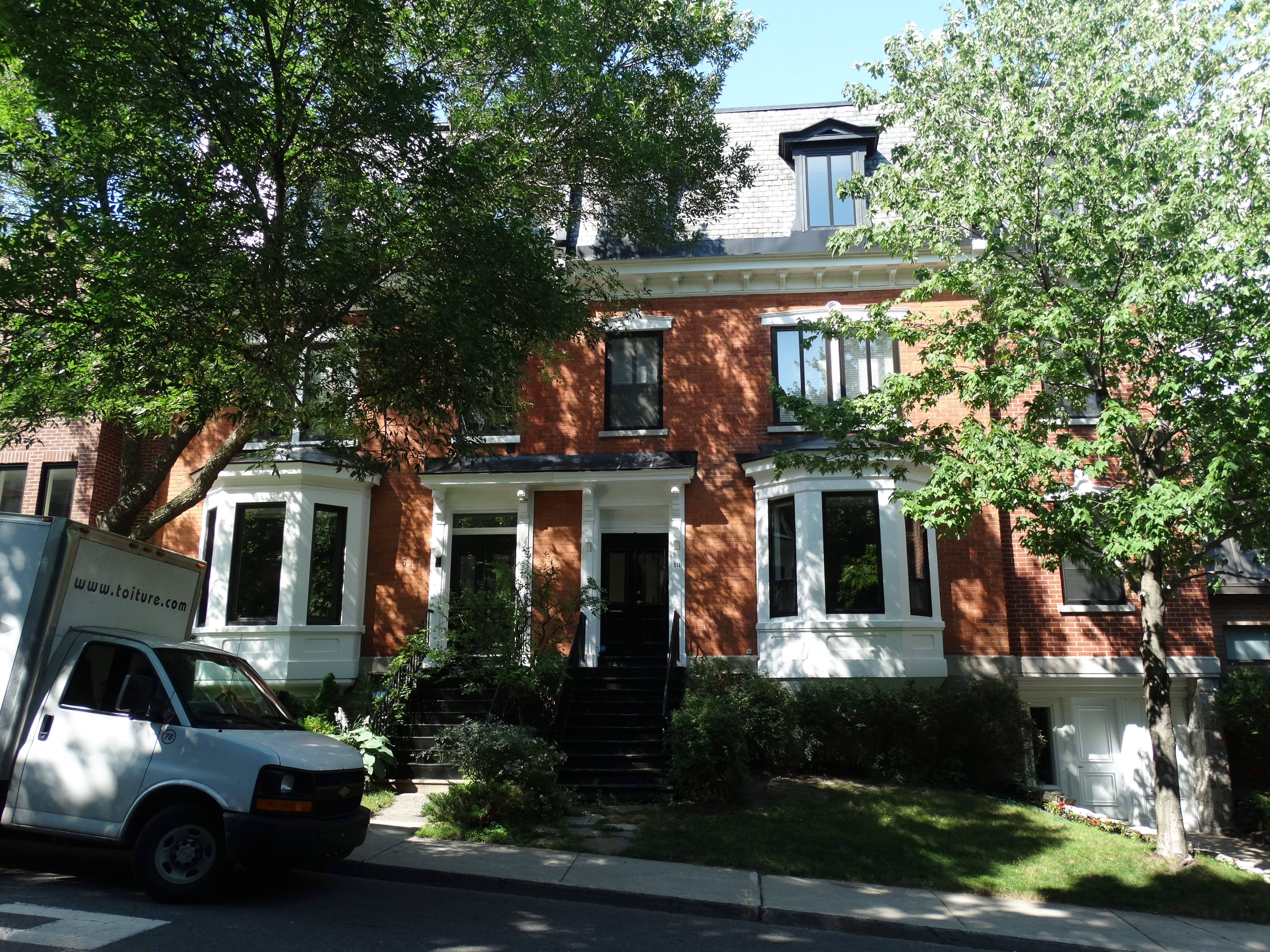
For some reason, the civic number has changed.
Wesley Mills M.D. – Professor McGill University (1897)
From Wikipedia:
“Thomas Wesley Mills (1847–1915), generally referred to as T. Wesley Mills in the scientific literature, was a Canadian physician and physiologist who worked as a professor at McGill University. Mills was Canada’s first professional physiologist and authored books and research articles on comparative physiology, animal behavior, and the physiology of voice production.
Mills began teaching physiology at McGill in 1884, eventually becoming the first Joseph Morley Drake Chair professor of physiology in 1891. He founded the Society for the Study of Comparative Physiology in 1885, was elected to the Royal Society of Canada in 1890, and became president of the Natural History Society of Montreal in 1894.”
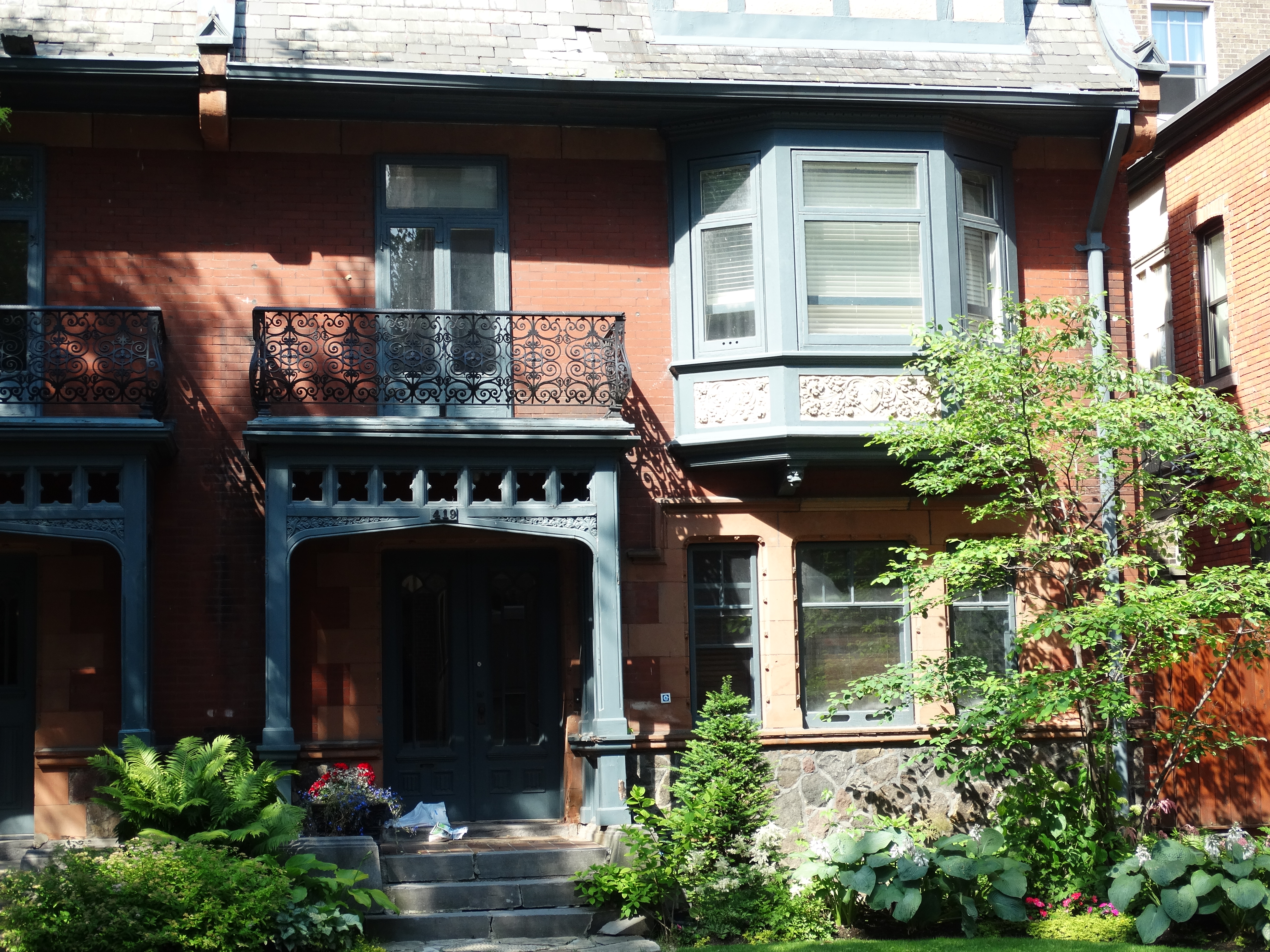
Robert Findlay, architect (1897).
From: http://cac.mcgill.ca/home/archive.php?ID=3
“Robert Findlay was born in Inverness, Scotland in 1859. He began his architectural training at the age of 17, working in the office of the Inverness architect John Rhind for five years. Later Findlay worked at the office of John Burnet (1813-1901) in Glasgow.
Upon his emigration to Montreal in 1885 Findlay found employment with Alexander Francis Dunlop (1842-1923) who at that time was working on the design of the St. James Methodist Church.
Findlay also worked for the architectural firm of the Wright brothers. In 1887 Findlay gained prominence by winning a competition for the design of the Sun Life Assurance Co. head office building on Notre Dame Street. This competition established his career and enabled him to develop an extensive practice, largely based on residential projects for affluent Montreal merchants and industrialists.
Among his public commissions the most noteworthy include his design for the Westmount Public Library which Findlay designed in 1898.
Other public buildings include the Montreal Maternity Hospital, Victoria Hall in Westmount and the Westmount City Hall.
Prominent residential projects include the Mortimer B. Davis House (now Purvis Hall of McGill University) and the Hallward House (now McGill’s Martlet House), as well as many houses in Westmount.
In 1913 Findlay’s son, Francis Robert (1888-1977) joined his father’s firm as a partner. The two Findlays practised architecture together until the elder Findlay’s retirement in 1941.
In 1938 Robert Findlay became the first recipient of the gold medal of merit from the Quebec Association of Architects, for outstanding contribution to architecture.”

J. Todd, boot & shoe maker (1897).
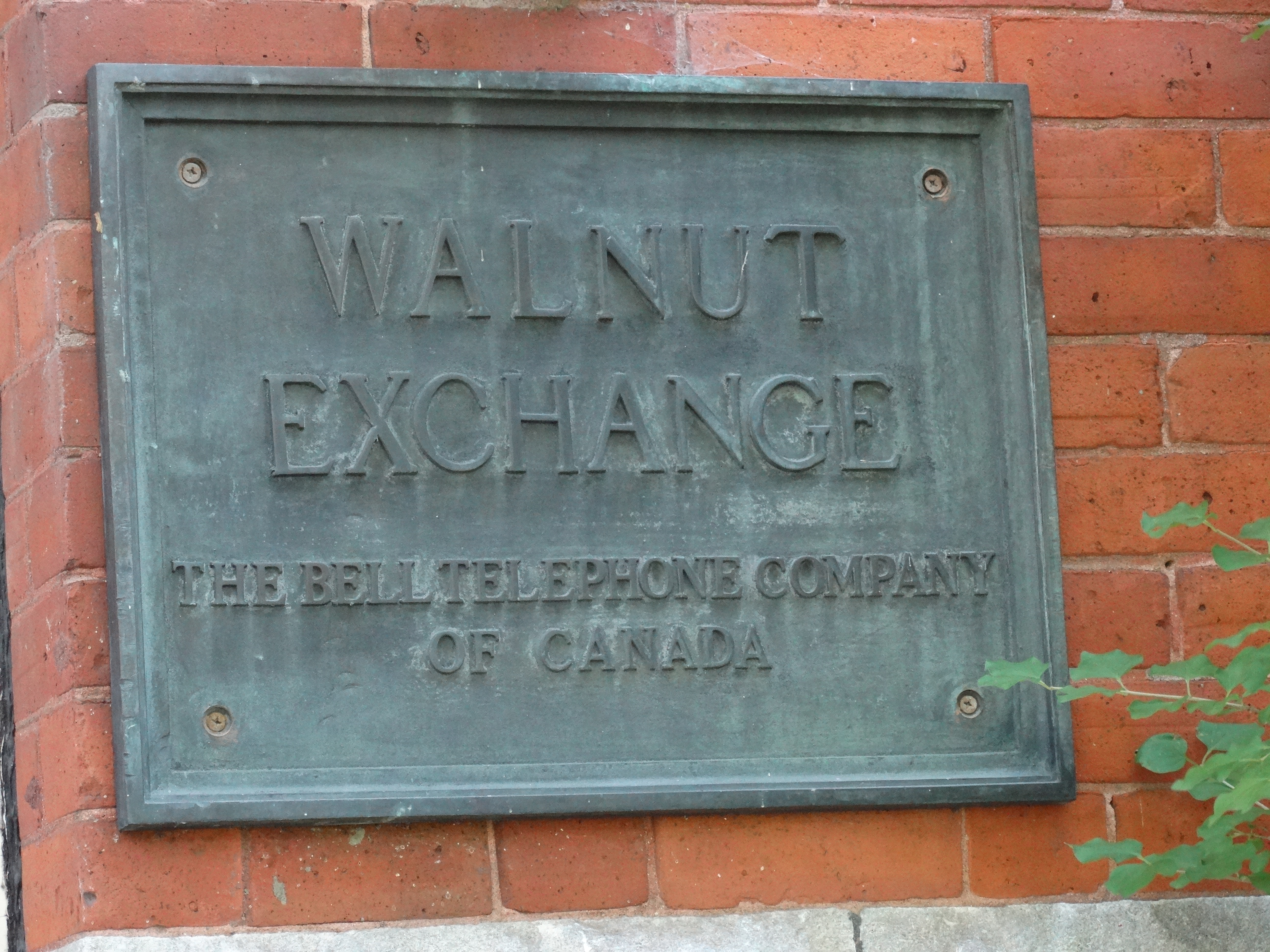
An old Bell Telephone Exchange sign – now used as an exterior (decorative) plaque on a Queen Anne style house on Prince Albert.
(The sign is on private property).
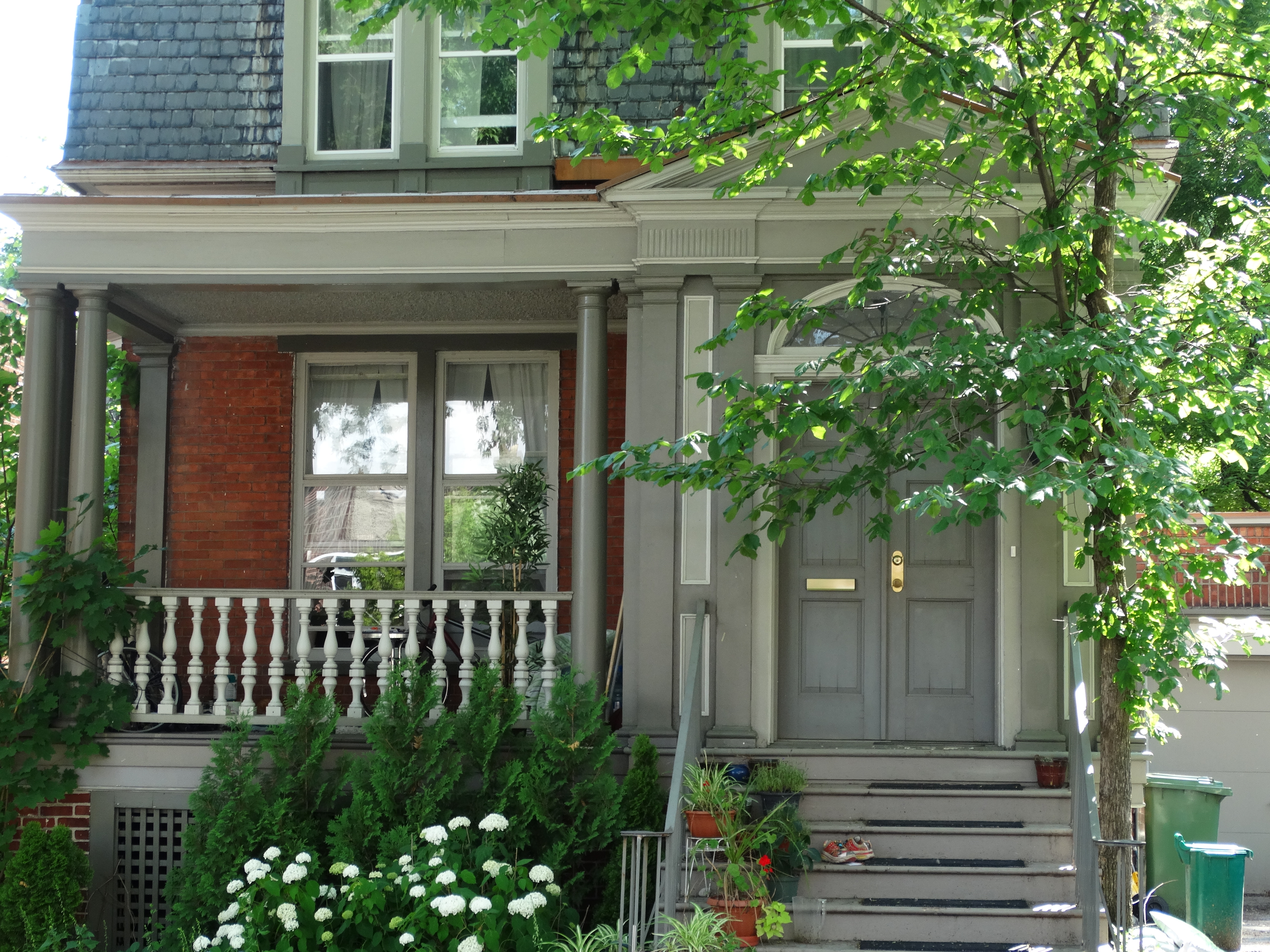
Fred T. Jennings, circuit manager, Canadian Pacific Railway Telegraph Co. (1897)
From Wikipedia:
“Along with railways, CPR also established telegraph operations to allow communications to remote areas.
Established as CPR Telegraph Company in 1894, it later became CNCP Telecommunications in 1967 (co-owned with rival Canadian National Railway) and as Unitel Communications Incorporated 1990.
Prior to the name change to Unitel, Rogers Communications acquired a stake in 1984 and later sold to AT&T Canada in 1984. Unitel disappeared into AT&T in 1993 and Rogers sold the rest by 1995. AT&T Canada was later sold off by parent AT&T into an independent company, MTS Allstream.”
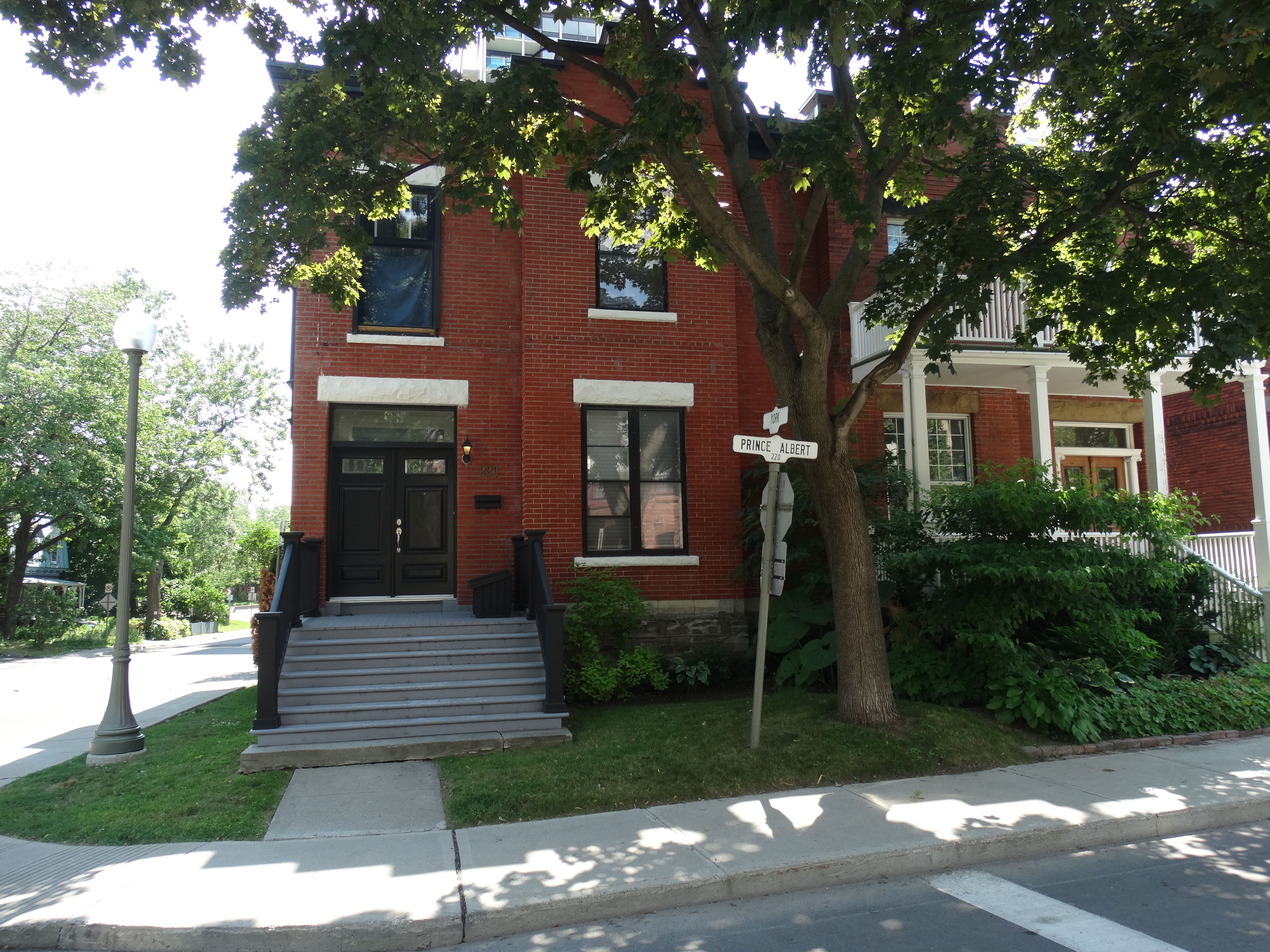
Charles Manhire, Shearer & Brown Co. Ltd. (1897)
From: http://www.biographi.ca/en/bio/shearer_james_13E.html
“Shearer was an innovator. He is said to have developed a hollow roof drainage system to overcome the problems of the Canadian winter. The roof was concave and the drain for the run-off was in the centre of the roof; it carried the water down the inside of the building where it was protected from freezing. This type of roof was apparently first used on the Windsor Hotel in Montreal in 1877.
Shearer was also responsible for the “Shearer scheme” to redevelop Montreal Harbour. In 1882 he put forward an extensive plan, consisting of a large dam, with a combined railway and roadway on top, from the foot of Victoria Bridge to Île Sainte-Hélène and a suspension bridge from there to the south shore of the St Lawrence River. Since the development would require major changes to the facilities of the Grand Trunk Railway, the Montreal Harbour Commission, and various shipping interests, there was substantial opposition to the scheme. As a result, a bill to incorporate the St Lawrence Bridge and Manufacturing Company, which was to implement the plan, failed to get approval from the House of Commons committee on railways and telegraphs in March 1883.”
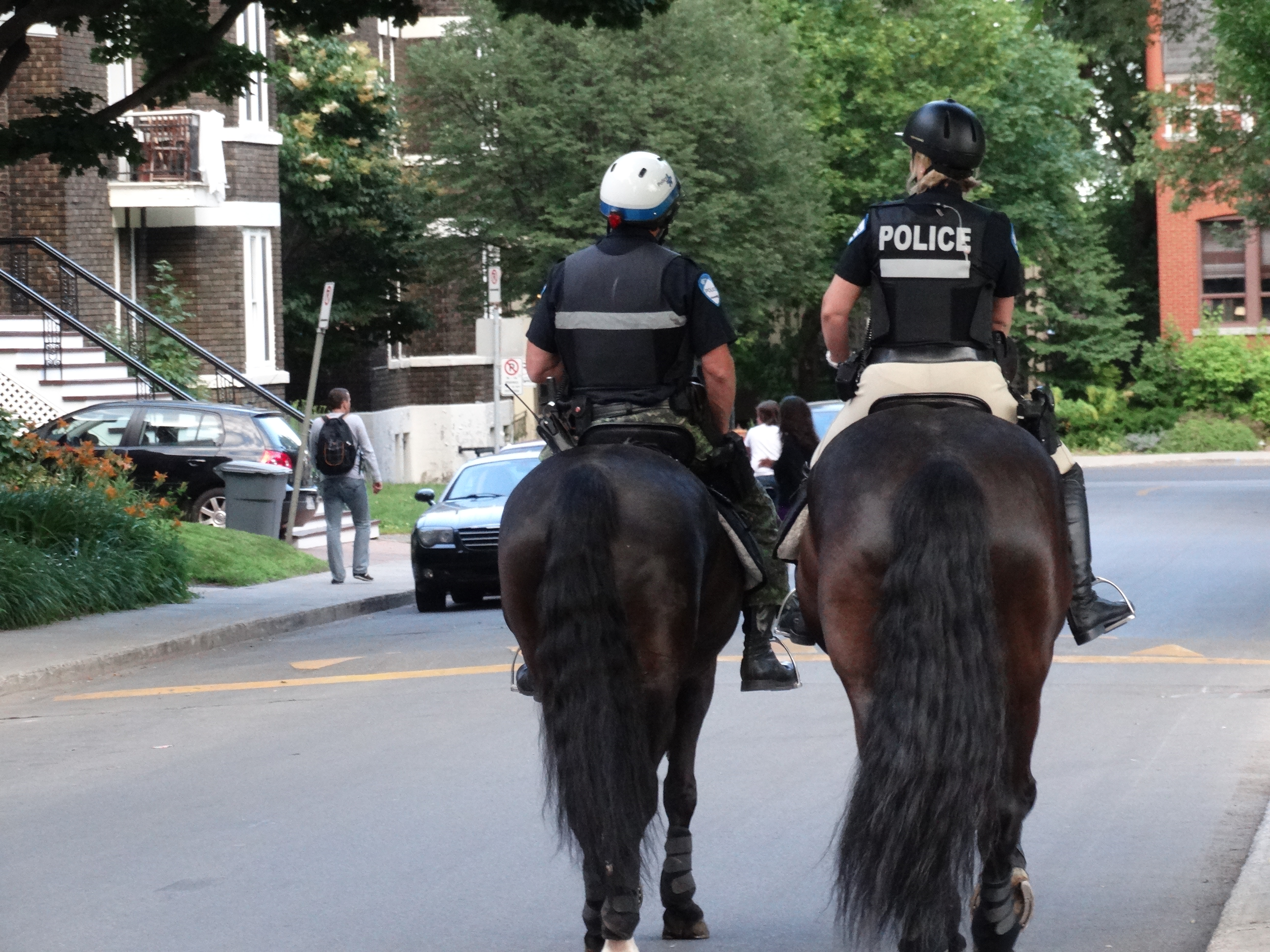
Service de police de la Ville de Montréal Cavalry (established 1885) riding down Melville Avenue.
 Westmount Overlooked