
Relaxing, Zen-like, waterfall in the park.
Relaxing, Zen-like, waterfall in the park.
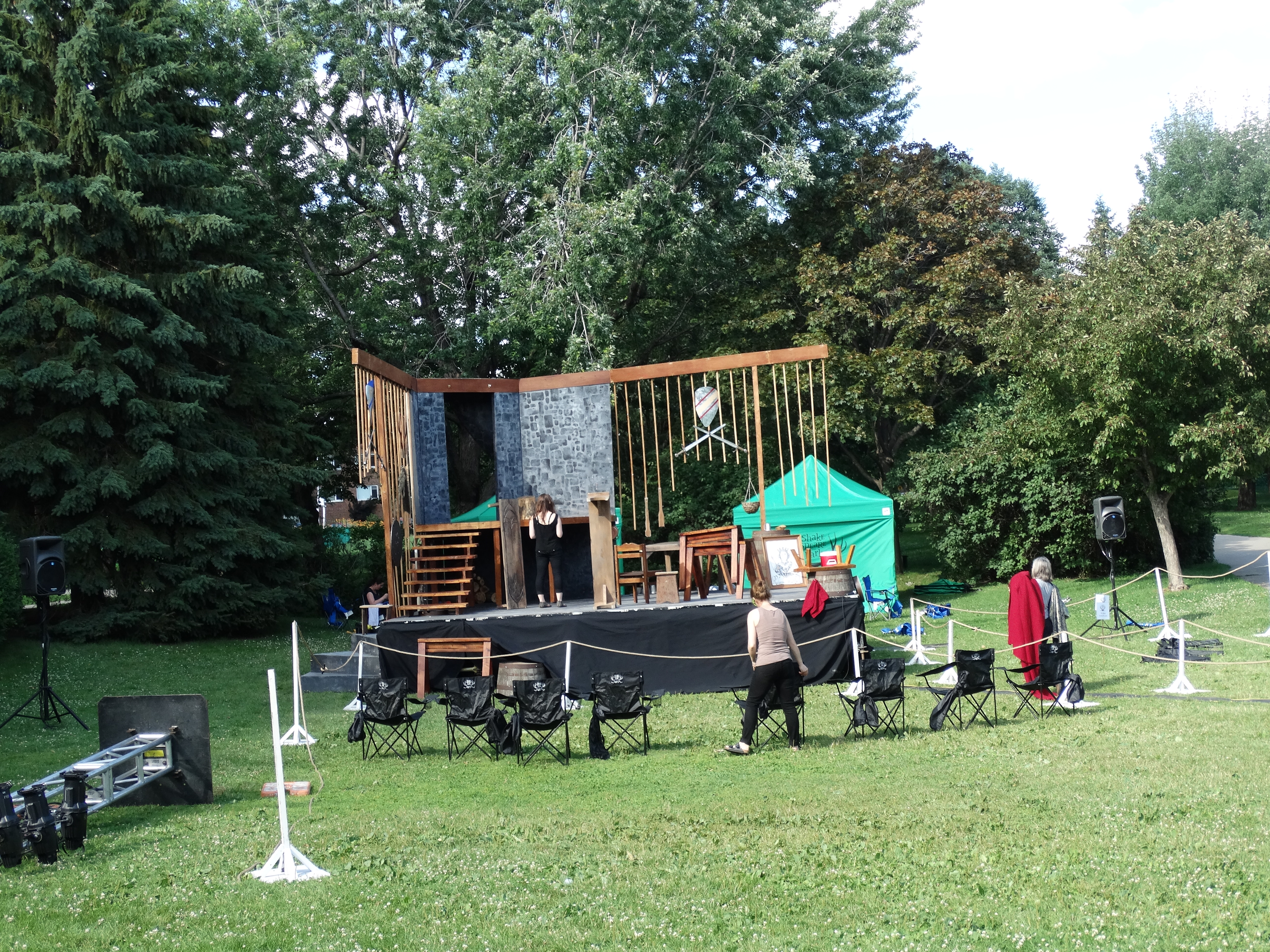
Assembling the stage for another summer performance. This has been a Westmount tradition since 1988.
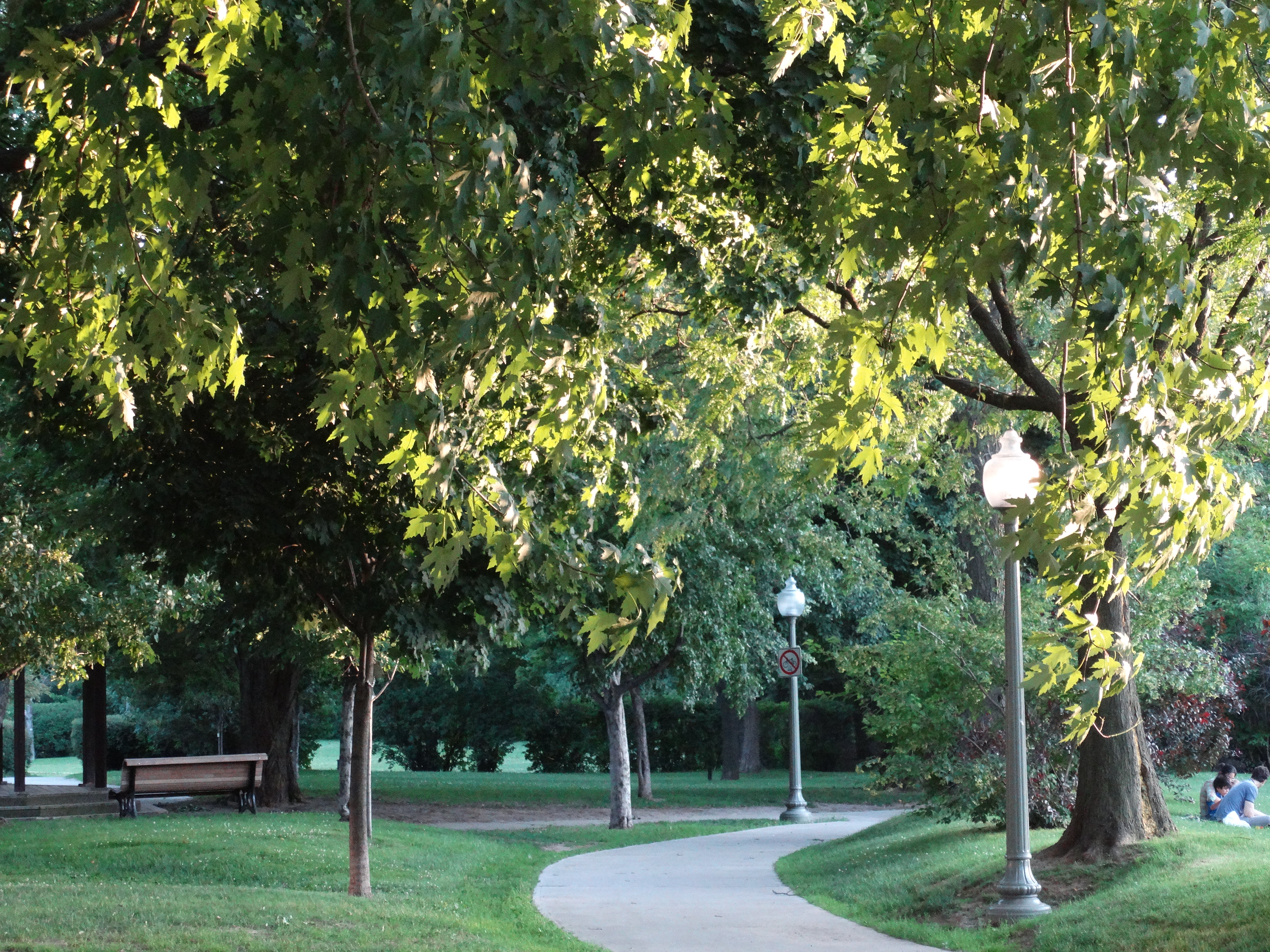
The setting sun reflecting off the park’s tree leaves.
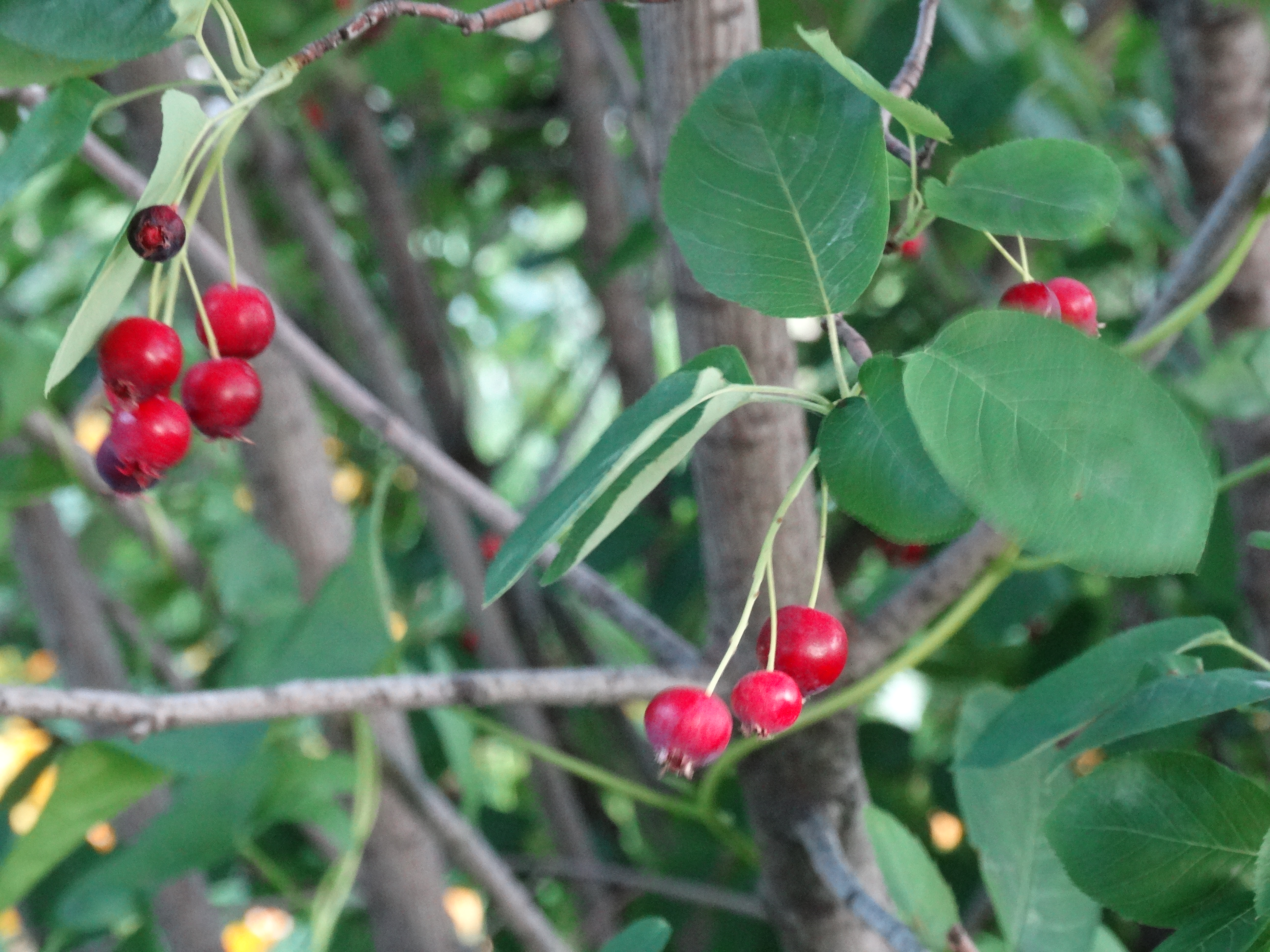
I have often seen people picking berries from these bushes; apparently they are edible.
(I don’t condone, in any way, ingesting these).
Speaking to a person collecting these berries the other evening, I was told the bush is called “Irga” in Russian.
A bit of research reveals several names for this bush:
From: http://www.bubblews.com/news/1058214-do-you-know-this-berry
“…. Serviceberry, Juneberry and Shadbush – English; Amelanchier – French; pero corvine – Italian; Gemeine (or Kanadische) Felsenbirne – German; cornijuelo – Spanish; irga kruglolistnaja (or kanadskaja) – Russian.”
From: http://www.laspilitas.com/nature-of-california/plants/amelanchier-alnifolia
“This Service Berry, Amelanchier alnifolia, is a very slow-growing, deciduous shrub to 10′, with edible blue berries 1/4″ across. This good wildlife plant ranges from North Dakota to southern California, is an attractive bush with an abundance of 1″ white flowers, and the fruits look something like a blueberry.
The fruit of this plant was important as a food source for the native American tribes that lived within its range.
Looks and tastes like a blueberry.”
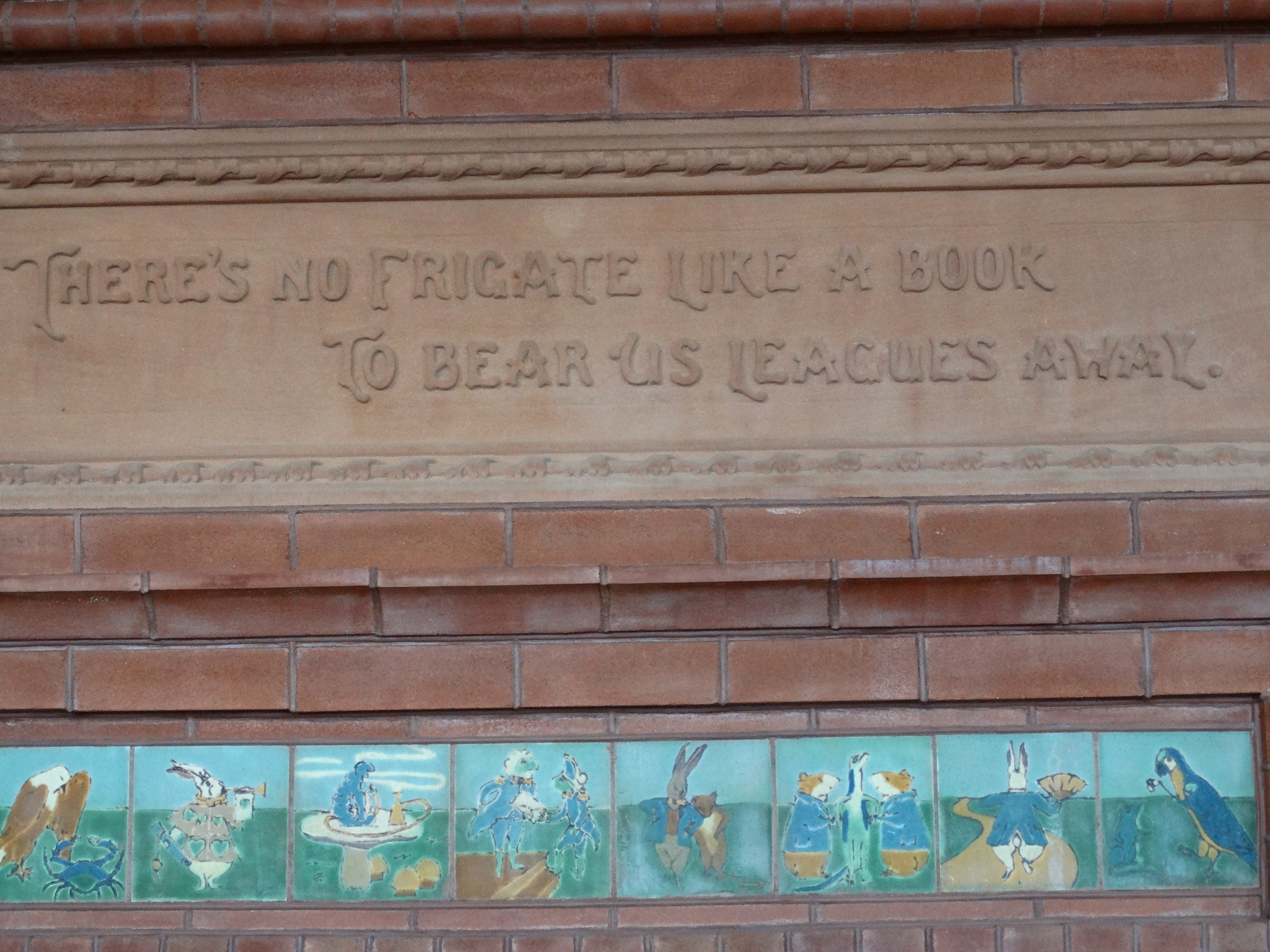
A beautifully restored fireplace, from the former children’s library, showing the detail of the cladding and undermantel.
The fireplace is located in one of the library’s rooms that can be booked for meetings.

Date marker, in red sandstone, on Lansdowne Avenue.
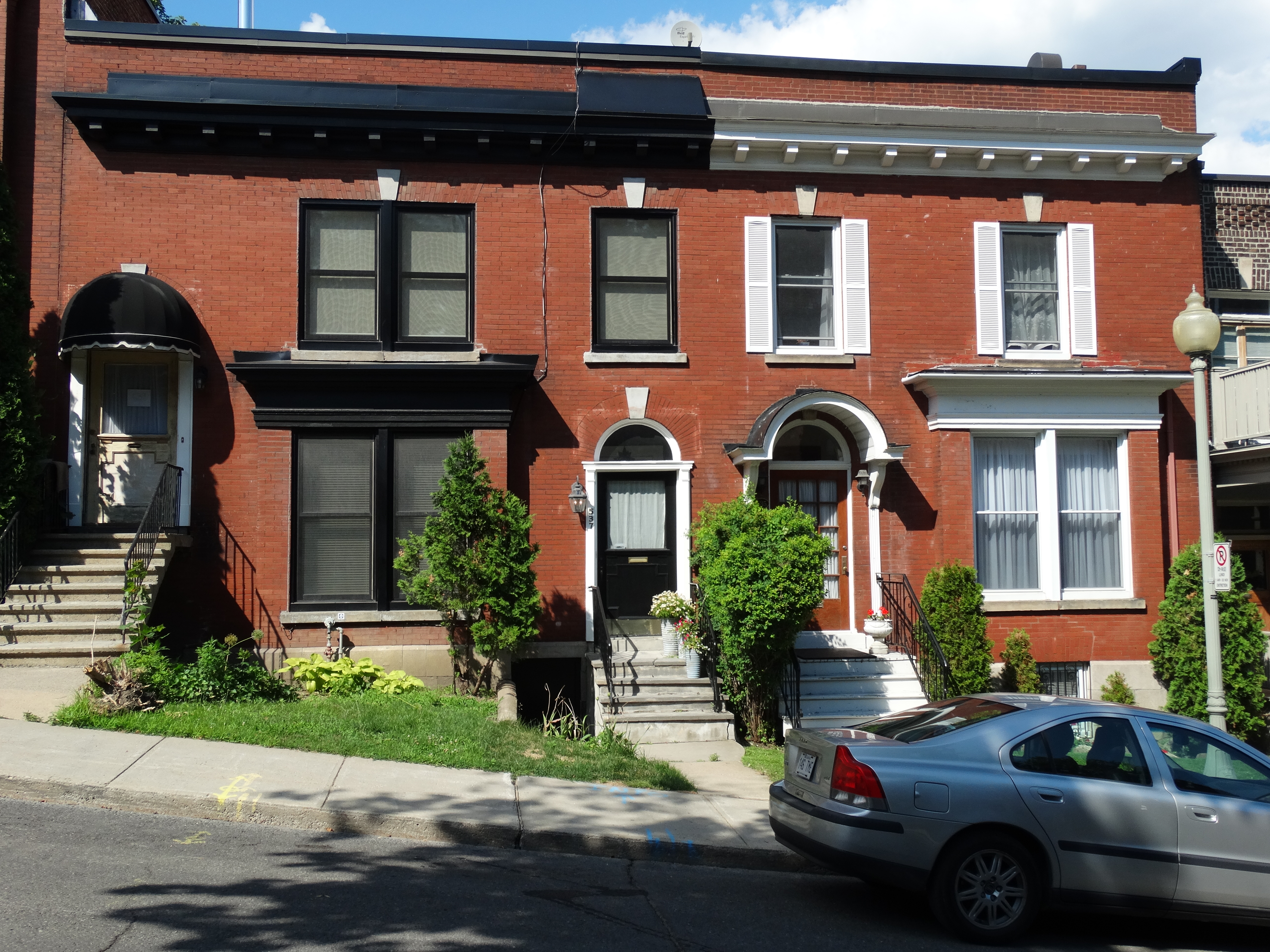
Edward Teghe – Customs Examining Warehouse (1897), could this have been the origin of this building?
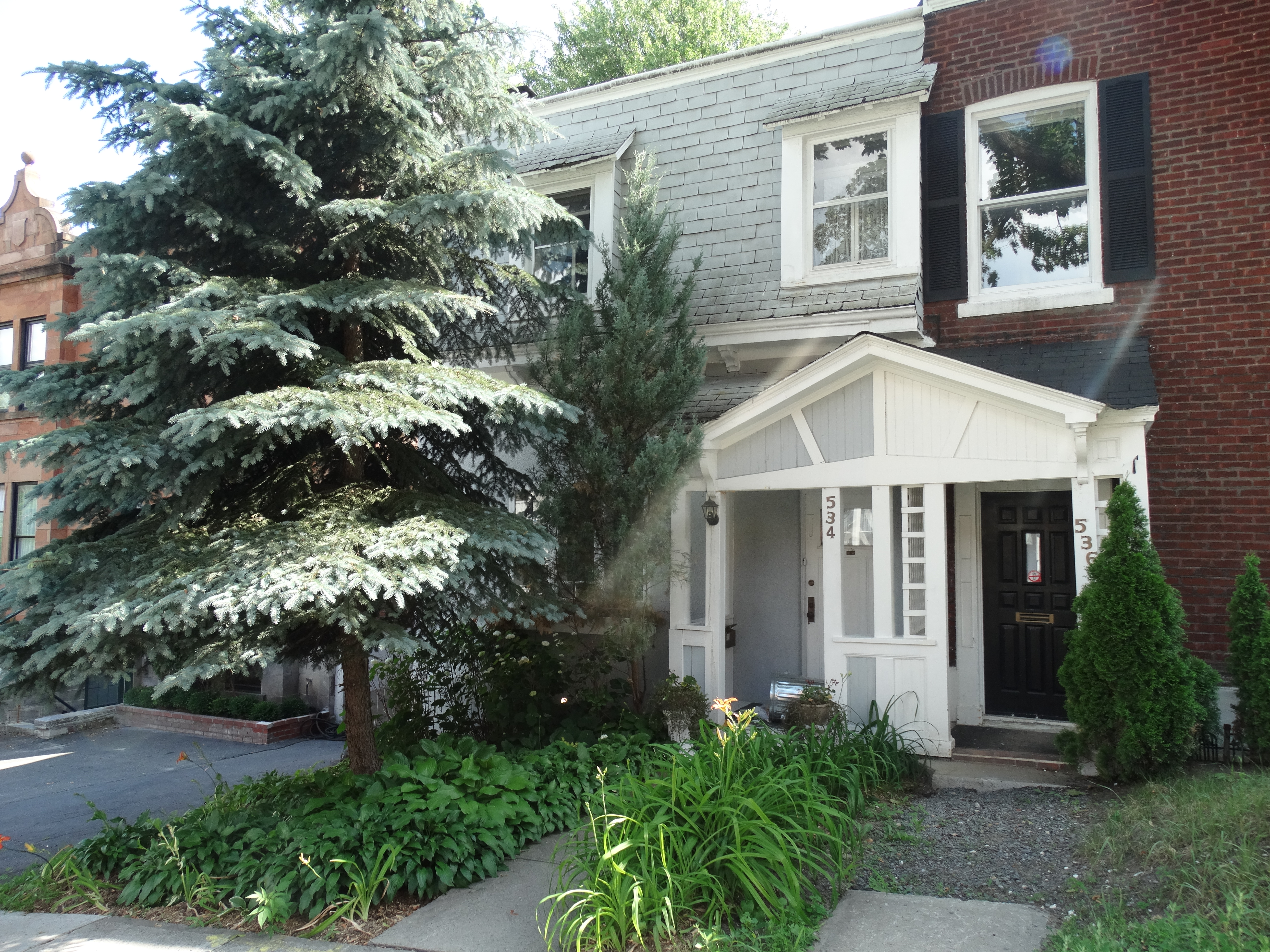
C. N. Blakeley – Dominion Steam Ship Company (1897) – Sailings from Montreal to Liverpool.
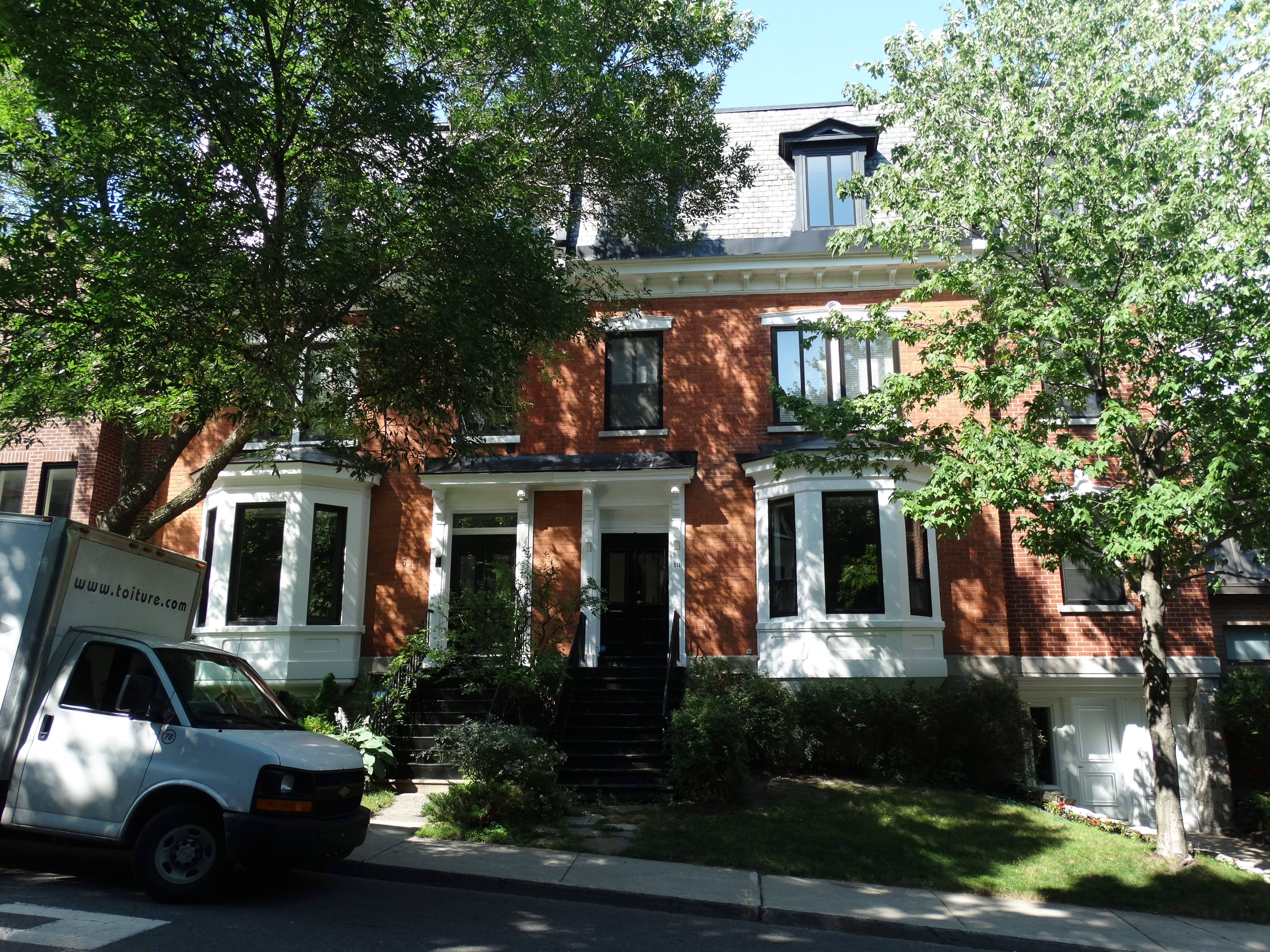
For some reason, the civic number has changed.
Wesley Mills M.D. – Professor McGill University (1897)
From Wikipedia:
“Thomas Wesley Mills (1847–1915), generally referred to as T. Wesley Mills in the scientific literature, was a Canadian physician and physiologist who worked as a professor at McGill University. Mills was Canada’s first professional physiologist and authored books and research articles on comparative physiology, animal behavior, and the physiology of voice production.
Mills began teaching physiology at McGill in 1884, eventually becoming the first Joseph Morley Drake Chair professor of physiology in 1891. He founded the Society for the Study of Comparative Physiology in 1885, was elected to the Royal Society of Canada in 1890, and became president of the Natural History Society of Montreal in 1894.”
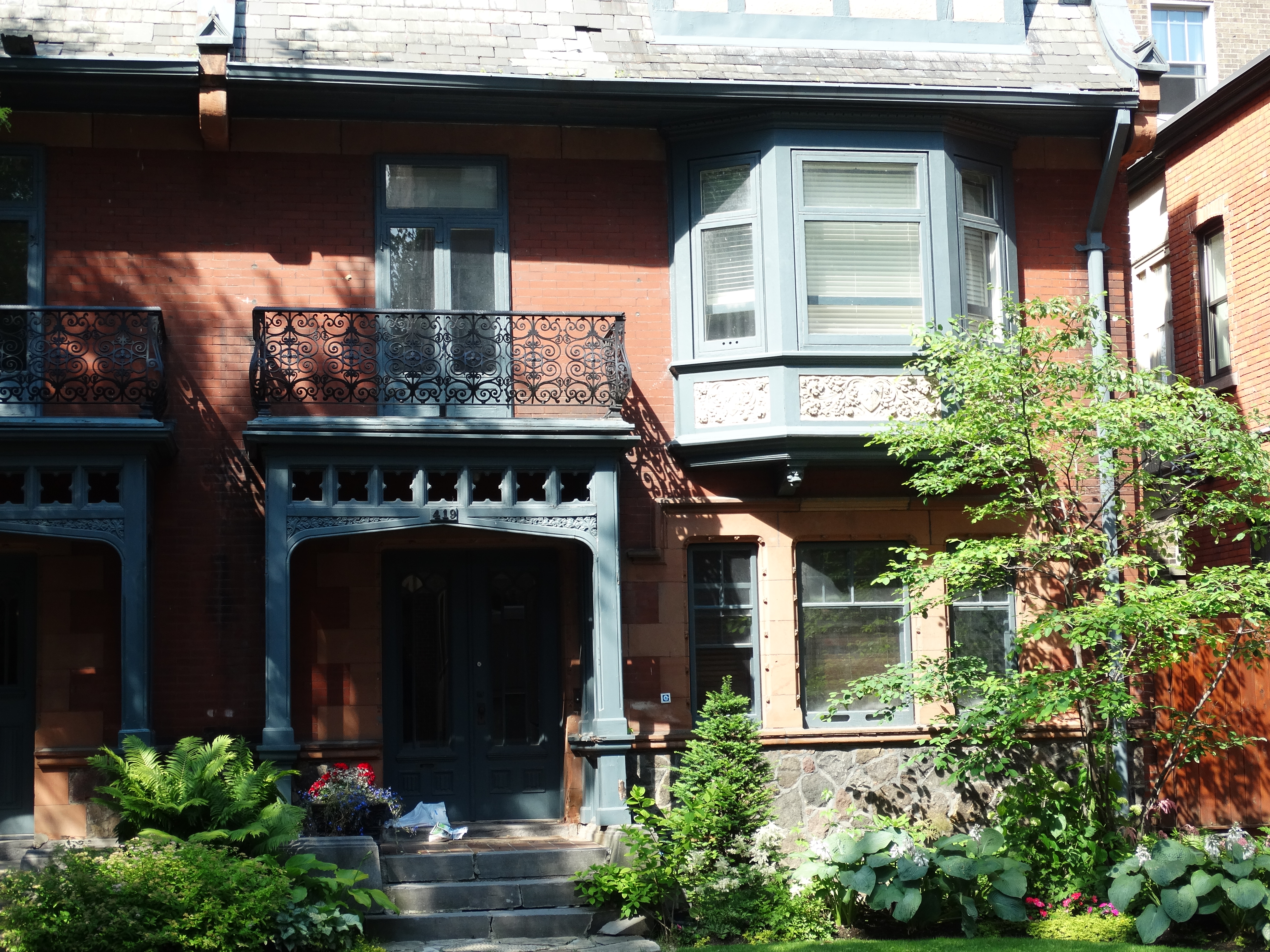
Robert Findlay, architect (1897).
From: http://cac.mcgill.ca/home/archive.php?ID=3
“Robert Findlay was born in Inverness, Scotland in 1859. He began his architectural training at the age of 17, working in the office of the Inverness architect John Rhind for five years. Later Findlay worked at the office of John Burnet (1813-1901) in Glasgow.
Upon his emigration to Montreal in 1885 Findlay found employment with Alexander Francis Dunlop (1842-1923) who at that time was working on the design of the St. James Methodist Church.
Findlay also worked for the architectural firm of the Wright brothers. In 1887 Findlay gained prominence by winning a competition for the design of the Sun Life Assurance Co. head office building on Notre Dame Street. This competition established his career and enabled him to develop an extensive practice, largely based on residential projects for affluent Montreal merchants and industrialists.
Among his public commissions the most noteworthy include his design for the Westmount Public Library which Findlay designed in 1898.
Other public buildings include the Montreal Maternity Hospital, Victoria Hall in Westmount and the Westmount City Hall.
Prominent residential projects include the Mortimer B. Davis House (now Purvis Hall of McGill University) and the Hallward House (now McGill’s Martlet House), as well as many houses in Westmount.
In 1913 Findlay’s son, Francis Robert (1888-1977) joined his father’s firm as a partner. The two Findlays practised architecture together until the elder Findlay’s retirement in 1941.
In 1938 Robert Findlay became the first recipient of the gold medal of merit from the Quebec Association of Architects, for outstanding contribution to architecture.”
 Westmount Overlooked